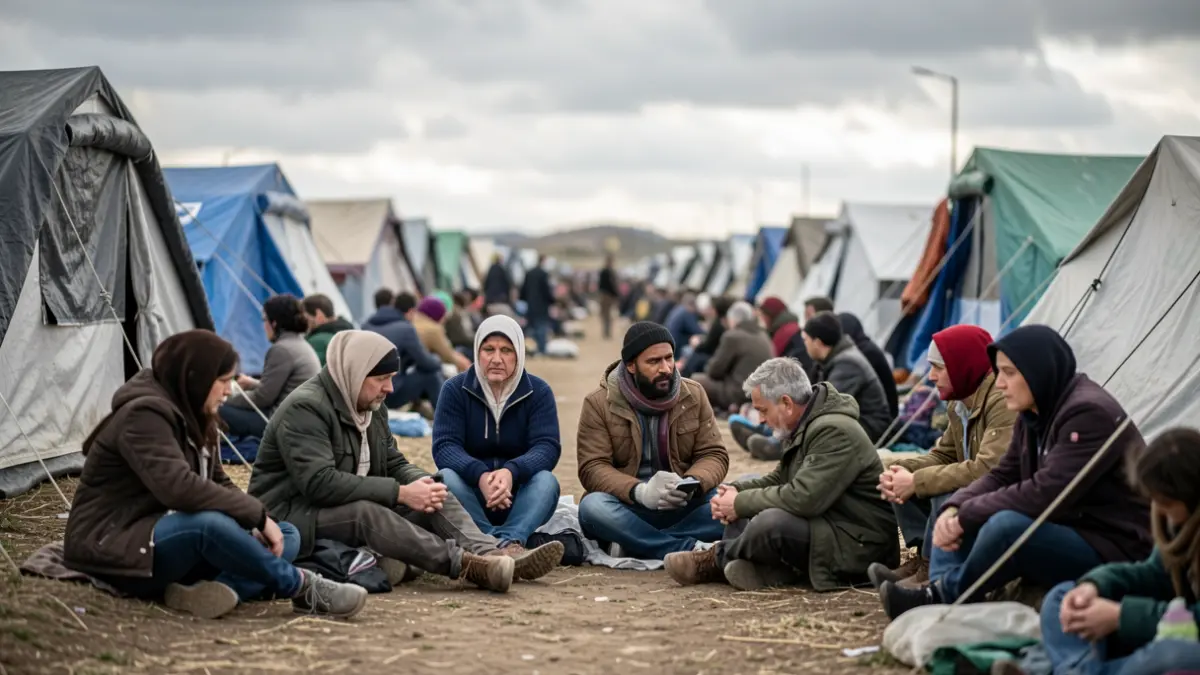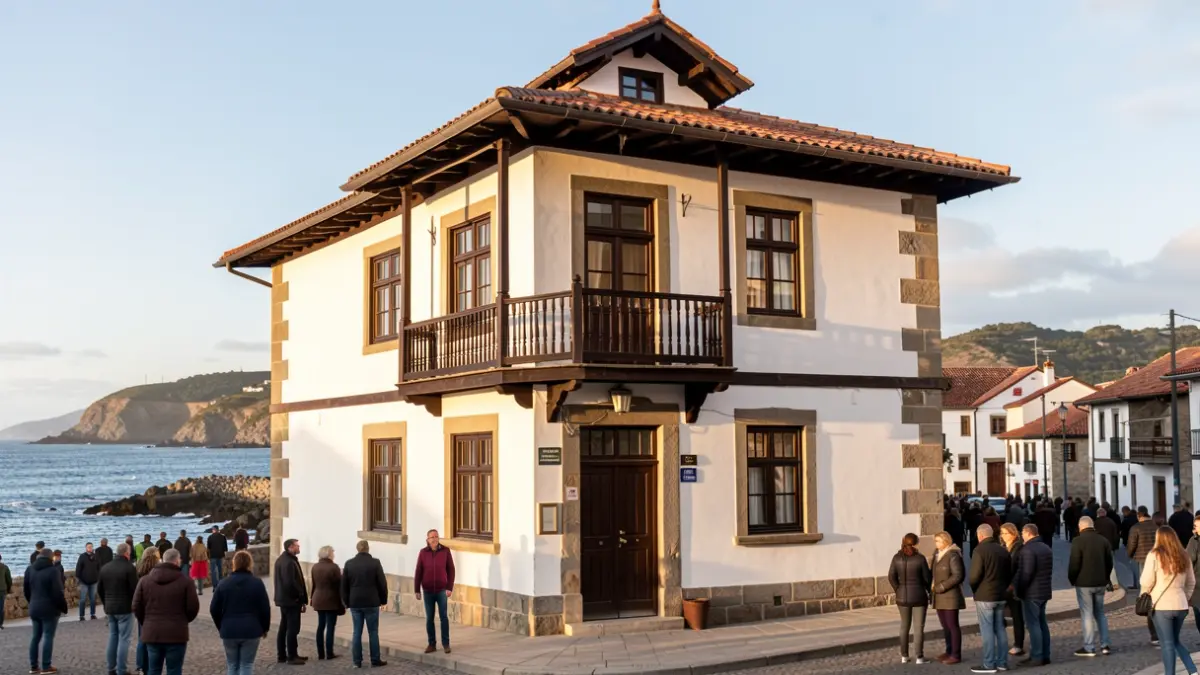
Fatma Lahsen, born in the Sahrawi camps (1978), arrived in the Basque Country five years ago for health reasons, accompanied by her youngest son. After living in Eibar and Elgoibar, she has chosen Elgeta as her residence, where she has found peace and community support. "They have welcomed me very well and I am very comfortable here," she stated, and she has no intention of returning to her homeland.
As a child, she dreamed of coming to Europe, imagining life would be easier. She married at 15 and had four children. In 2018, she arrived in the Basque Country, driven by serious health problems and the treatment her young son needed. Three of her daughters remained in the Sahara with their father. After numerous hospitalizations and surgeries, she feels better. Her son, who was two and a half at the time, has grown up there and has not wanted to return.
Initially, Elgeta seemed like a very small and unfamiliar town, but her son's encouragement and school connections opened doors for her. "As the days went by, I started to like it more, and now I am delighted," she confesses. The nature, tranquility, and especially the welcome from the residents have made her decision. "I know everyone in Elgeta, and they are like family. My son and I have been very well received," she adds.
She works in a bar, which has also helped her integrate into the town. "I have no intention of leaving Elgeta; I like the life here," she emphasizes. She describes life in the Sahara as harsh, full of sand and with few opportunities. Although her family married her to a local man, her dream was to come to Europe.
The journey was not easy, as she had to leave her three daughters behind, and her son also began the new journey in tears. However, she has built a new life in Elgeta. "I had to apply for housing through Etxebide and, instead of choosing three towns, I chose one: Elgeta," she explains, avoiding the noise and crowds of big cities.
She maintains traditions from Sahrawi culture, such as wearing the melfa and drinking tea, although it is not always practical for work. She also celebrates Ramadan and the Festival of the Lamb, sometimes gathering with her family in Gasteiz, but celebrates Christmas and Epiphany with the people of Elgeta.
She misses her daughters, whom she hasn't seen in eight years, communicating only via video calls. "I would like them to come here," she expresses, although her attempts have not been successful.
One of the reasons for living in Elgeta is the Basque language. "So that my son can learn Basque very well," she states, highlighting that the use of Basque in the town is 100%, compared to Eibar and Elgoibar. Although she only knows basic words, she would be willing to sign up for a Basque language group, as it is difficult for her to travel to Bergara or Eibar due to work and appointments. She considers the Basque people to be "her other family."
When she arrived in the Basque Country, she understood neither Basque nor Spanish. She learned French in the Sahara, and she understands and speaks some Spanish, although she does not master it completely.