While the transmission of local identity has always occurred, the current digital context presents new challenges. To address this, educational stakeholders consider it important to create didactic materials using new technologies. In Antzuola, for instance, an initiative by the Town Council, guided by technicians from the Mondragon University, has resulted in the creation of a Local Curriculum through citizen participation. The aim is to define what makes one a resident of Antzuola and to strengthen the sense of belonging.
Through four participatory sessions, various dynamics and discussions have been held with citizens of different ages, school representatives, and members of cultural and sports organizations. The outcome is a "snapshot of the fundamental ecosystem for living, transmitting, and recreating the Antzuolan identity that unites or intertwines past, present, and future." Moving forward, they will create specific products and materials and dynamize initiatives to engage citizens, all within an open tool available online.
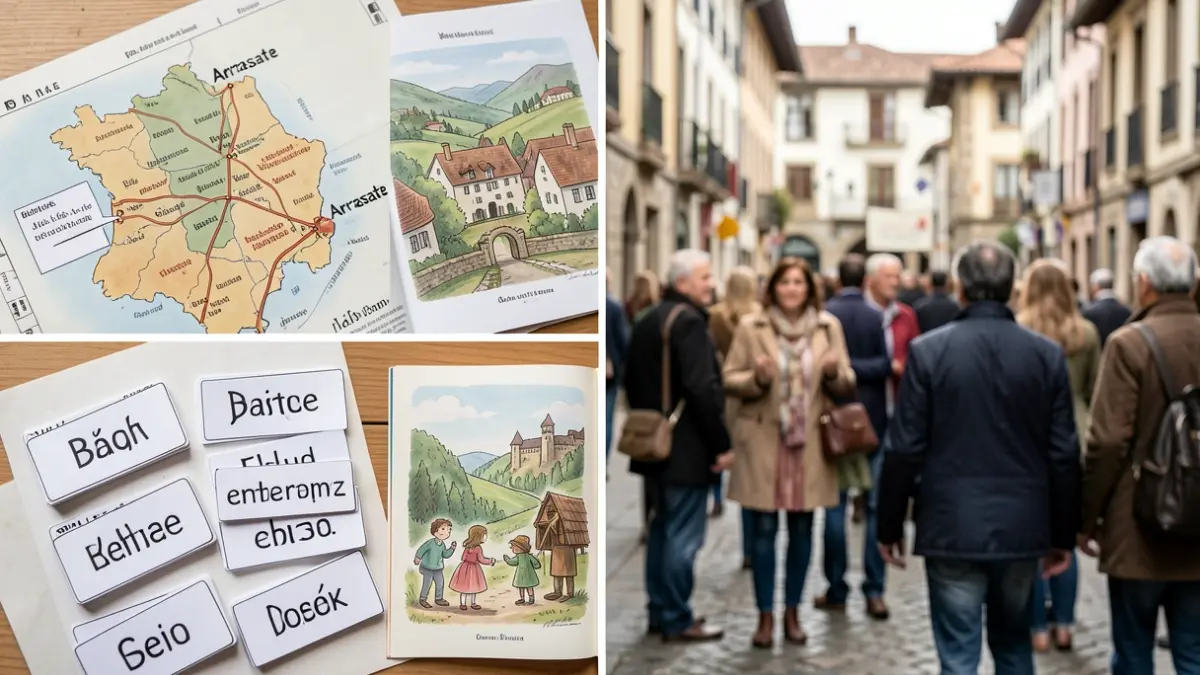
In Elgeta, a similar process has been undertaken, led by members of the Local School, the Library, and the Town Council. The educational materials created there are intended for use in the next academic year, although some content, such as exercises for working with Elgeta's map and place names, or cards featuring local words, is already being utilized.
In Arrasate, the Town Council began in 2019 the task of transmitting Arrasate's history and culture to students of all schools and levels. They have developed a didactic map and a series of booklets that include "games, legends, festivals and songs, Arrasate's words, neighborhood histories, routes, toponymy, parks, and photographs."
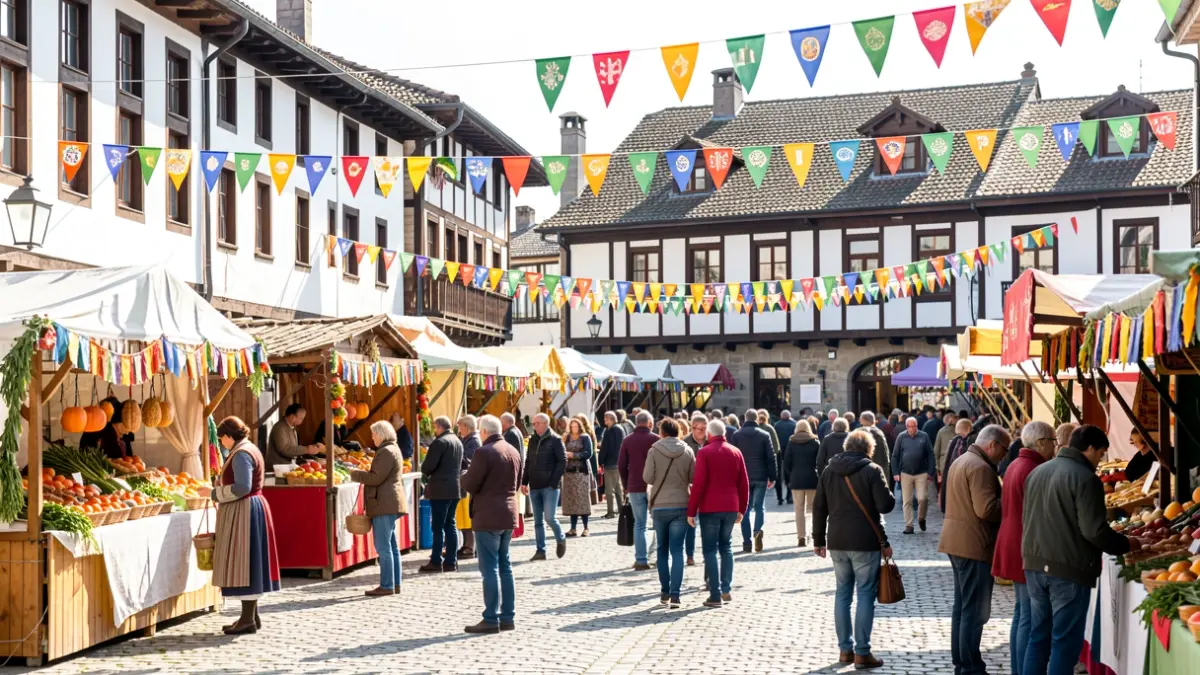
In Oñati, the Local Curriculum development began in 2015, taking into account the models from Arrasate, Orio, and Azpeitia. The content, developed in collaboration with Euskaltzaleen Topagunea, has been compiled on the hurretik.eus blog, accessible to all. These materials, such as the section on Oñati's Carnival, can be used by school members and local stakeholders alike.
In Aramaio, the Local Curriculum was also presented in 2018, defined as a "living tool." Projects are designed there based on student interests, utilizing local resources such as workshops and encouraging citizen participation. For example, a project on climate change will be initiated with first-cycle students.
Beyond the educational sphere, in Aretxabaleta, the sports club UDA and the Town Council have launched a process to answer the question "What kind of Aretxabaletarras do we want to be?", aiming to transmit content related to local identity.