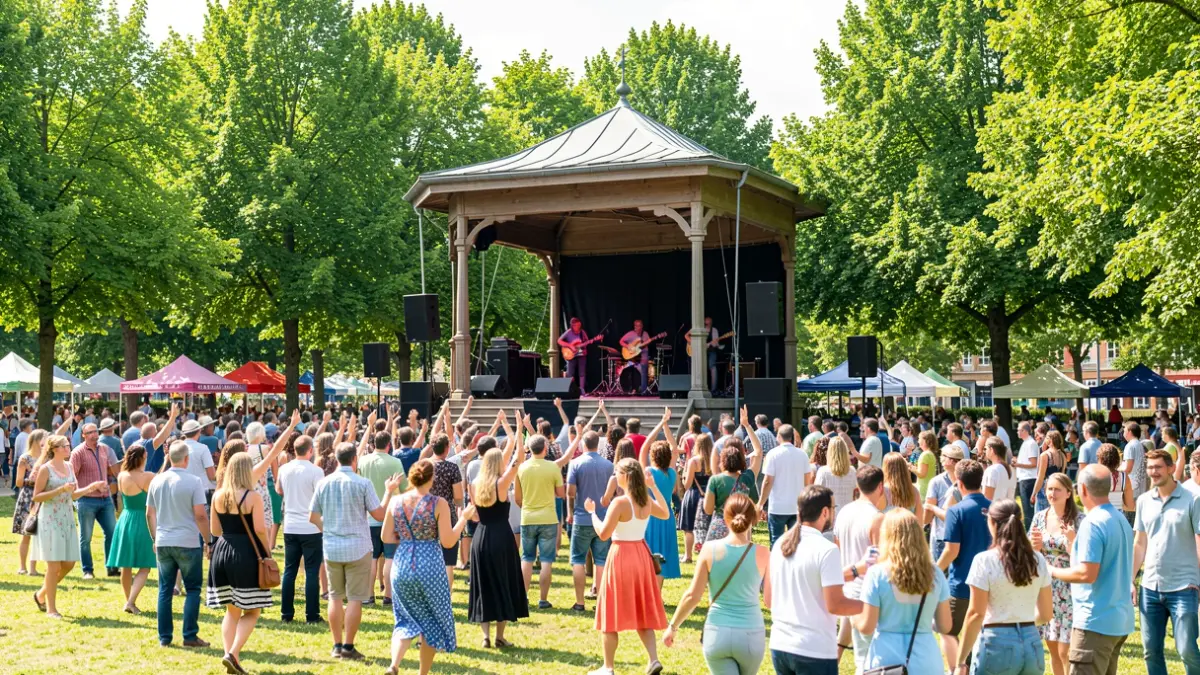
One of this edition's main novelties was the Basque Culture Plaza, located on the Arenal quay. This space hosted participatory workshops, showcooking sessions, and live demonstrations of Herri Kirolak (Basque rural sports), bringing gastronomy, sport, and traditional Basque music closer to the public. The versatility of this space helped strengthen the festival's social dimension, transforming the Arenal into a dynamic and representative hub of Basque cultural identity.
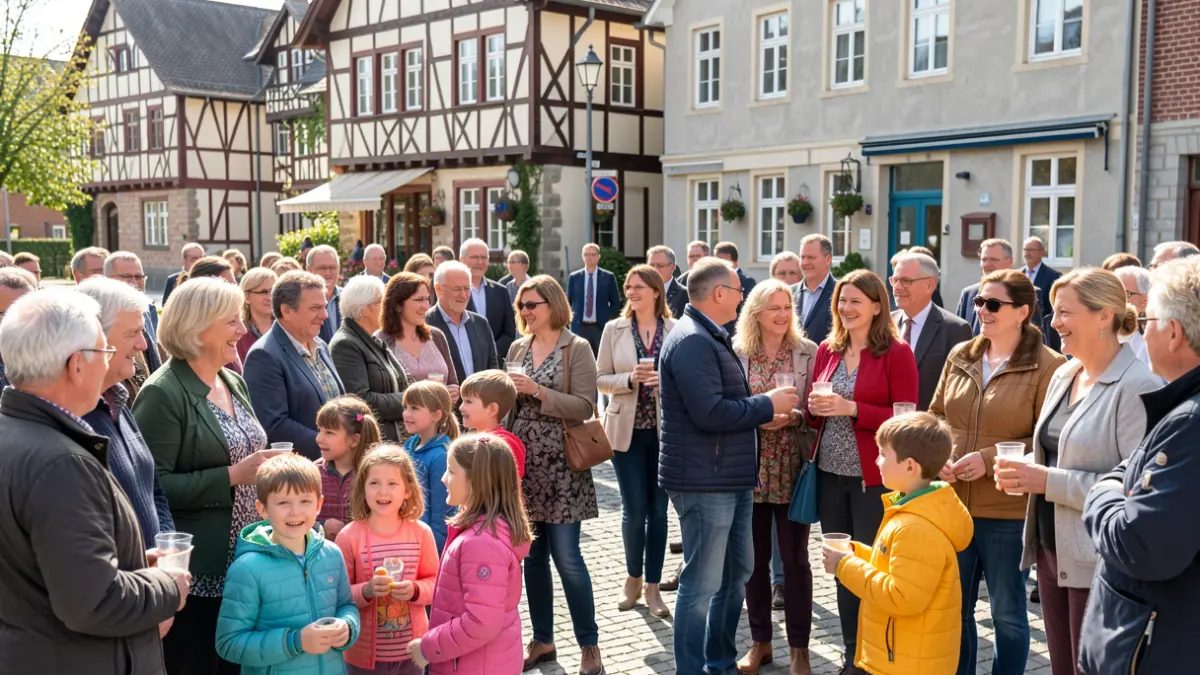
In total, over 41,000 people gathered during the three main days of the festival, which generated a continuous flow of public and facilitated participation in all activities. Despite adverse weather conditions on the first two days, most of the program could be carried out, although the Urbasa show, the txalaparta workshop, and the batel rowing were canceled on Thursday.
The music program also received an excellent response, with nearly 18,000 attendees at performances scheduled in Azkuna Zentroa, the Arenal (Basque Culture Plaza), Bilborock, and Kafe Antzokia. High-quality events combined historical Basque music artists, rising talents, and new emerging voices, offering a balance between tradition and contemporaneity. References such as Anje Duhalde and Niko Etxart gave a historical dimension to the festival, while artists like Olaia Inziarte and Maren presented contemporary proposals.
In the Basque Culture Plaza at the Arenal, groups like Neomak and Korrontzi drew large crowds, creating an unparalleled festive atmosphere. Korrontzi, led by Agus Barandiaran, launched their international tour Mundua dantzan in Bilbao. The last act on this stage was Anne Etchegoyen, who offered a high-quality concert alongside artists from the KCant à project, focused on minority languages. Meanwhile, Bilborock solidified its role as a showcase for new bands with proposals like Gar, Mugan, and Bisai. At Kafe Antzokia, the Bilbao Fest Rock City fused punk and soul styles, opening the festival to a diverse audience.
The Herri Kirolak demonstrations attracted 17,300 people around the Arenal, generating some of the most shared images of this edition. The trials combining strength, technique, and tradition, such as stone lifting and log cutting with an axe, captivated the audience. These traditional sports have reinforced the festival's identity and its projection as a cultural showcase.
The children's program also received a great reception, with 10,000 participants across all activities. The famous Gargantua was one of the most attractive points, with long queues of families. Batel boat rides along the estuary and percussion workshops were also very popular. The romerías (traditional Basque folk dances) in the Plaza Nueva and the esplanade of the Guggenheim Bilbao Museum also created a festive atmosphere, turning traditional music and dance into an intergenerational meeting point.
The Bilbao Basque Fest organized a true cultural Easter Week throughout the city, with proposals such as the screening of the feature film Gaua and theatrical visits by Bilbao's hosts. The tourist offices in Plaza Circular and the Guggenheim Bilbao Museum received 3,774 visitors between April 2nd and 5th, with 49.6% from Spain and 40.41% international. The festival's digital projection was also notable, exceeding 562,322 impressions on social media, reinforcing Bilbao's image as a cultural and festival destination.