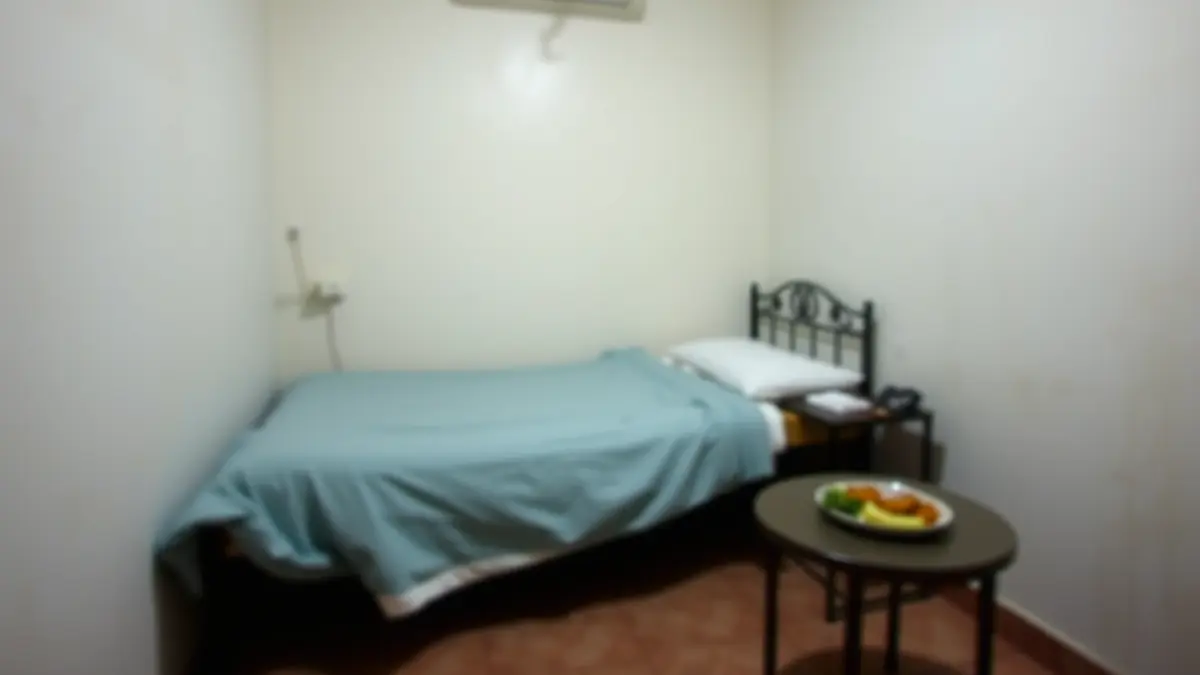
The Ararteko, the Basque Ombudsman, has criticized the assistance provided by the Bizkaia Provincial Council to unaccompanied foreign minors (menas), particularly at the El Vivero center. The institution stated that the provincial government is merely offering "food and bed" to these young people, despite legislation demanding comprehensive protection.
In November 2024, the Provincial Council announced that its reception network for menas was facing a delicate situation due to the incessant arrival of young people and the saturation of its centers. In response, it declared an "exceptional situation," which allowed it to offer limited assistance, even though the law mandates that guardianship extend beyond basic sustenance to include training and support for socio-labor integration.
A report by the Ararteko, published in a resolution on March 27, questions the operation of the El Vivero center and the exceptional measures applied over the last year and a half. The report emphasizes that the minors' age and their vulnerable situation demand special protection, and that the Provincial Council is violating these rights by relying on its decree and the state of collapse. Currently, the provincial government is caring for almost 490 young people, with just over 300 available places.
“"The new provincial protocol cannot be limited to offering 'food and bed' to those received. Their status as minors and their situation of helplessness obliges the Administration to guarantee them special protection."
The report also details that, once menas enter the reception network, the process for regularizing their situation, health control, and educational pathway should automatically begin. However, at the El Vivero center, these processes are postponed until the young people secure a place at the Amorebieta center.
The language barrier is another critical point. The Galdakao center primarily accommodates menas over 16 years old. The Ararteko estimates that most spend more than three months there, and there have been cases of young people who turned 18 at the center without having started their training process, leaving them without a foundation for integration. Although El Vivero staff voluntarily offer Spanish classes, the Ararteko considers "one hour of training per day" insufficient to overcome this barrier and calls for "intensifying learning."
The provincial decree supporting the exceptional situation expires in June. Therefore, the Ararteko urges an "assessment of the suitability of the experience" and the "definition of stable and compliant alternatives for the adequate care of minors." Spokespersons for the Provincial Council's Department of Social Action have defended that the menas at El Vivero "are being adequately cared for" and that, once normality is restored, a new assessment will be carried out to adapt the response to the current reality.