As every year, May 5th marks the Day of Homage to the Spanish men and women deported and deceased in Mauthausen and other camps, as well as all victims of Nazism. In the Bidasoaldea region, according to data from the Nicolás Guerendiain Republican Association, about thirty people were sent to various concentration camps, such as Mauthausen, Buchenwald, or Dachau.
A member of the association explains that Irun was a significant place of exile, through which many republicans crossed into France at the end of the Spanish Civil War. There, they became part of battalions and were captured when the Germans entered the French state.
In total, according to the association's archives, 35 people from the region were captured: 30 from Irun, 3 from Hondarribia, and two from Hendaia. Ten of them died, and two disappeared. The rest were liberated, with one exception: a resident of Irun, who managed to escape from the Nazi troops. Thanks to the testimony of his niece, his story is told: he was a person who was in the Dachau camp. When they were losing the war, they were going to be taken for extermination, and the long marches of the wagons arrived. What he did was evade, sliding through the planks in the wagon itself. The train was not going very fast, and he was able to get off the tracks.
“"It was very difficult to escape from German control in concentration camps, and in general. That is why this is a rather unique and very emotional case."
On Friday, an event will be held at Ficoba organized by the Secretary of State for Democratic Memory, in commemoration of the Day of Homage to the Victims of Exile. This association will display a panel with the names of all the people from Irun and Hondarribia who were deported between 1940 and 1945, as well as that of a woman from Hendaia who survived the Ravensbrück concentration camp, the only woman on this list who passed away in 2021 at the age of 97.
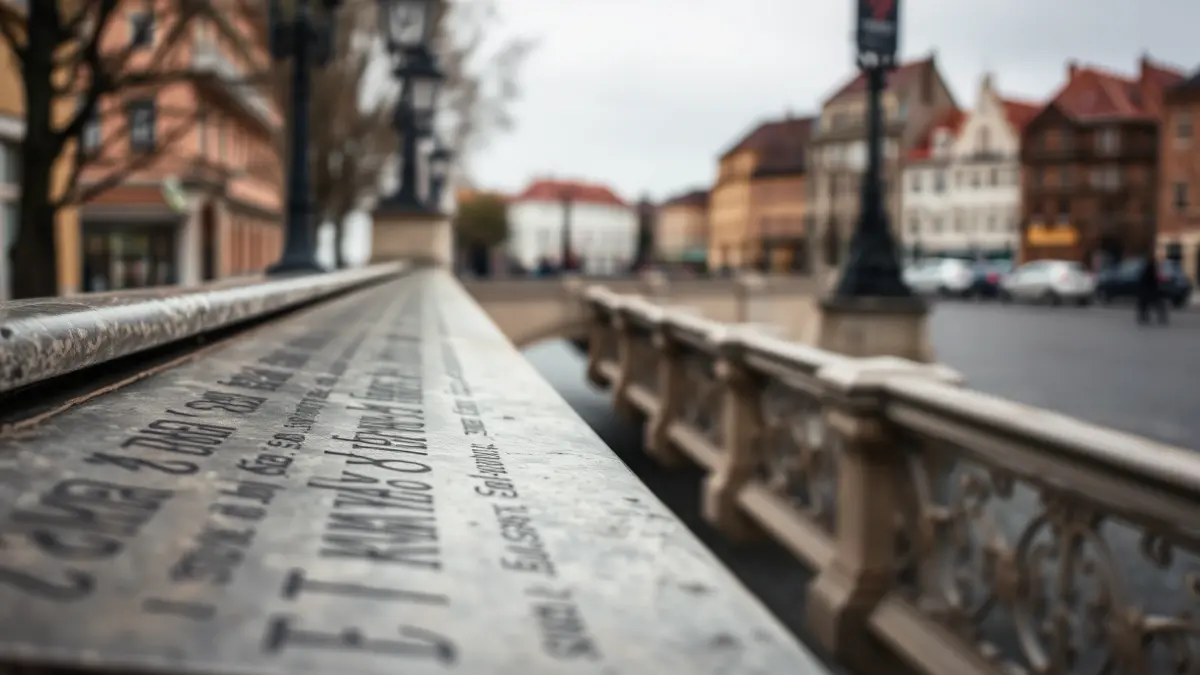
Today marks 81 years since the liberation of what is believed to be the last concentration camp, Mauthausen, although the association member recalls that there were other smaller camps. To commemorate this day, the Nicolás Guerendiain Republican Association has placed posters on Puente Avenida with all the names of these people from Bidasoaldea, indicating where they were taken and whether they died or were liberated. This serves so that, at least once a year, people understand and know that this happened, that human beings are responsible for what happened, and that it never happens again.
Furthermore, the same association member confirms that, after joint work with Gogora, coordinator of the memory of the deportees, and with memorialist associations from Irun, the square next to Puente Avenida will be named Plaza de los Deportados Vascos 1940-1945, which they hope to officially inaugurate next year.