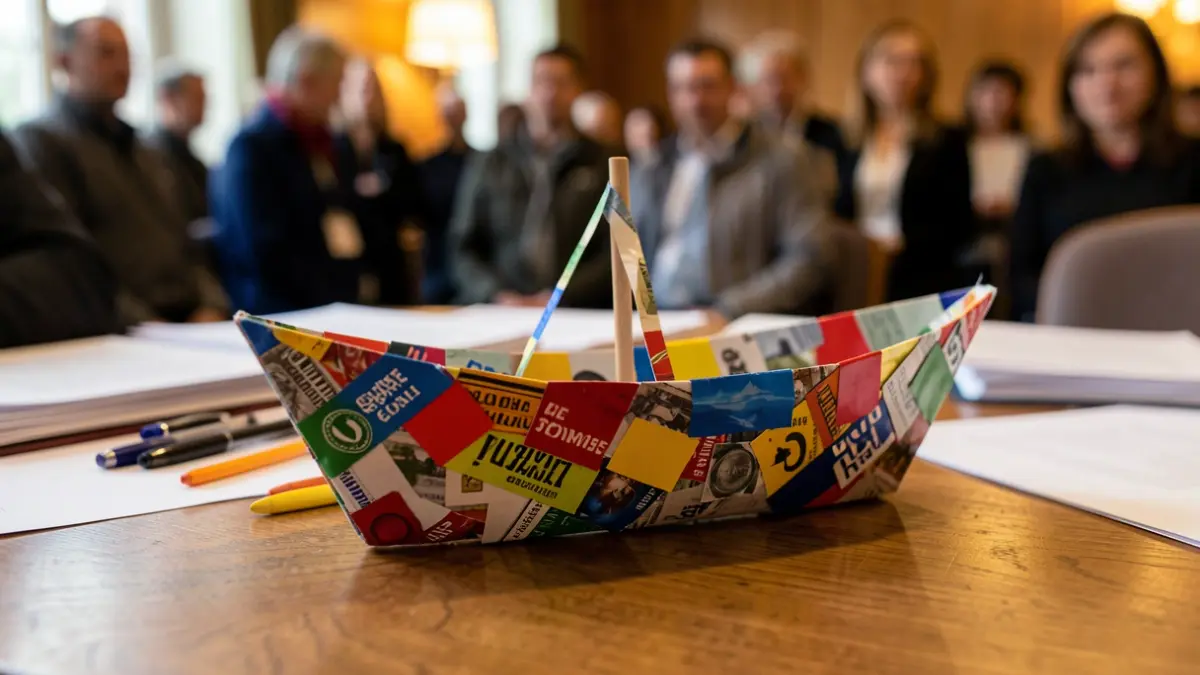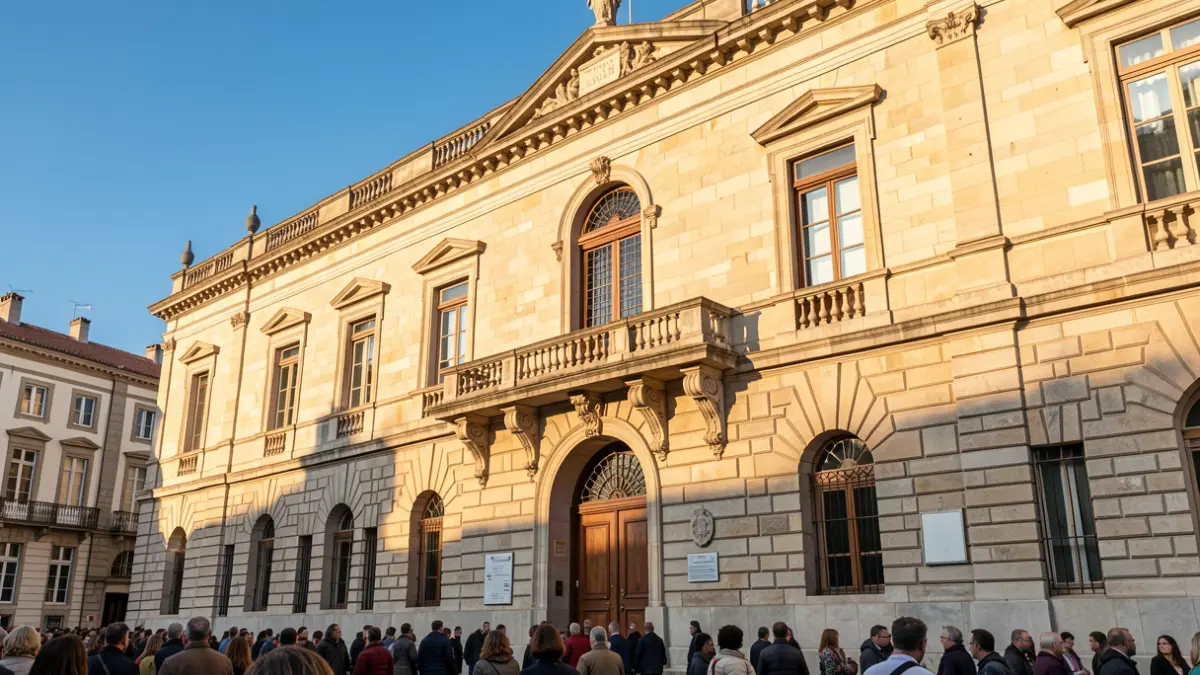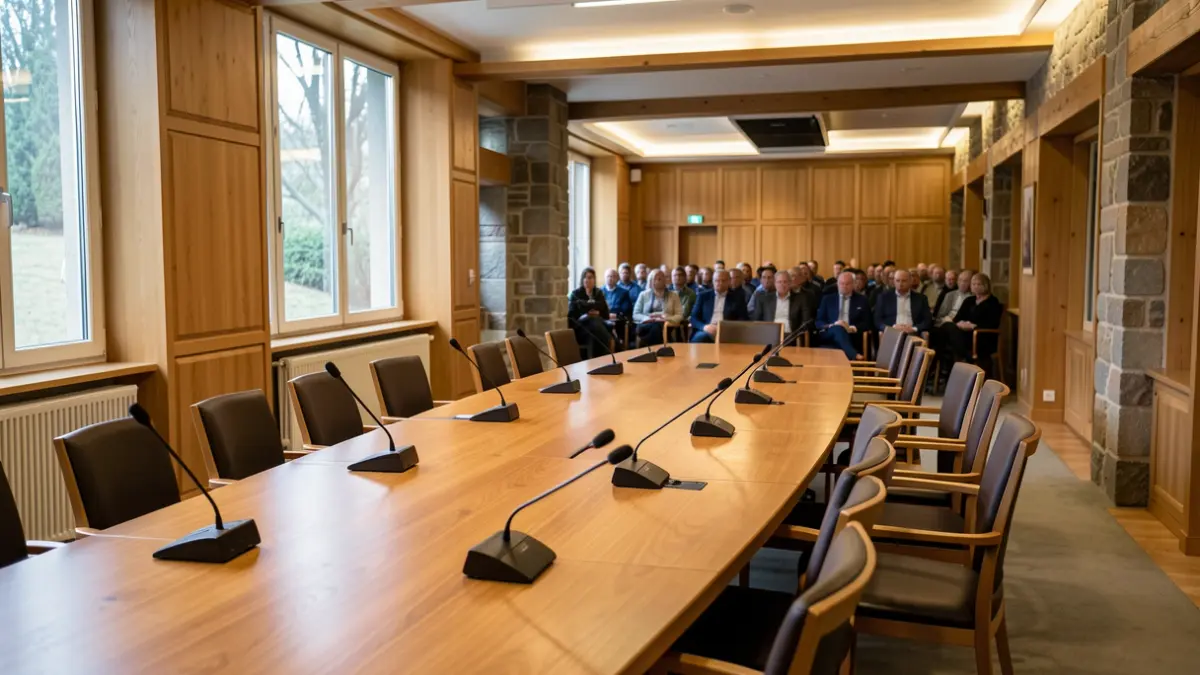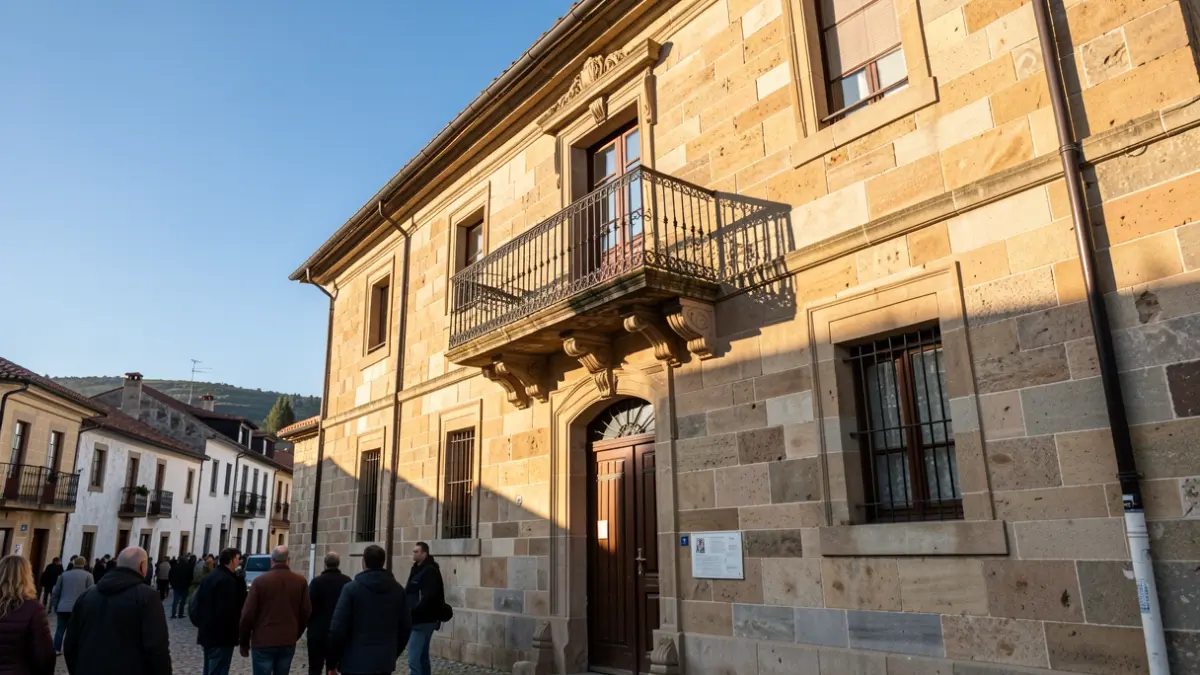
The new president of the Association of Councils of Araba (AKE) has gladly accepted his new responsibility, recalling that he has always needed the association's services and is now there to help. The year-end elections renewed the positions, and after a single candidacy was presented, the new list is composed of four members. "We tried to ensure they were from different areas, and we have divided responsibilities, but we do everything together, just like in the councils," explained the president.
The president highlighted that administrative boards are the most democratic governance system. All decisions are made in popular assemblies through direct vote. Representatives are public officials but do not receive payment for their work, making volunteerism essential. Regarding competencies, they are similar to those of a City Council, but they lack direct powers in urban planning. They do not collect taxes but do collect fees, which implies significant work and limited resources. Management of forests, the cemetery, water supply, sewage, the community center, and festivals are other matters under their responsibility.
“"We do not collect taxes, but we do collect fees. This means we have a lot of work to do and limited resources"
The president mentioned that administrative boards have scarce resources and must seek external funding for both small and large projects. The fixed annual income, around 6,000 euros, is insufficient for major works, thus requiring them to seek grants from the City Council, the Provincial Council, or European programs. To achieve this, their goal is to present the best ideas and secure the most funding, dedicating a significant portion of their daily work to these procedures.
The AKE plays a crucial role by offering professional support to the citizen-led administrative boards. They have administrative staff, engineers, architects, and social media experts available to handle procedures through the electronic headquarters. Furthermore, with the assistance of historian Aketza Merino, they intend to digitize and disseminate the treasures of the villages.
“"If we talk about renewable energies, for example, it is a significant challenge. What we say is that the way of doing things must change"
Among the main challenges for the next four years, he highlighted the management of renewable energies. They believe a legal framework is needed to limit how companies access their lands, and that public entities should take the lead in protecting fertile land and heritage. Regarding roads, he argued for a less negative interpretation of laws and for special care of farms. Additionally, they consider it necessary to update the 1985 council regulations, which would introduce tools like transparency and motions of censure.
Ultimately, the main objective is to boost the councils and make their work known. They promote giving a voice to the citizens, and the president emphasized that the direction to take at each crossroads is decided collectively by all citizens.