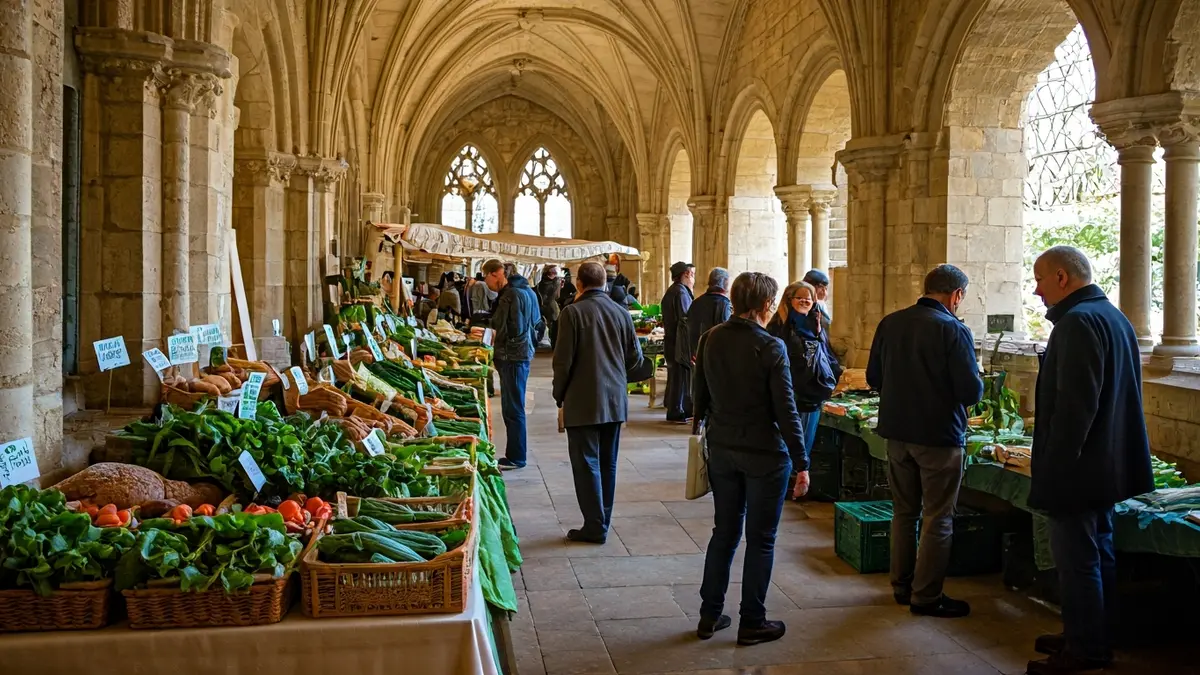
This initiative, promoted since 2018 within the Campus BiziLab project, aims to encourage reflection on consumption habits and the viability of the current food system. From 10:00 AM to 2:00 PM, various stalls added a unique vibrancy to a courtyard typically dominated by students reviewing notes between lectures.
Seasonal vegetables, artisanal bread, and face-to-face conversations with food producers were the highlights of the morning. This edition saw collaboration from Justicia Alimentaria and Hegoa. Stalls offered organic and seasonal products, alongside educational displays, such as one dedicated to the project for the recovery of Álava wheat varieties.
The fair extended beyond a simple market, also featuring open talks that explored alternatives for more just and responsible consumption. A key highlight was the direct interaction with local farmers (baserritarras), who were present at the stalls and available to speak with attendees, offering an easy way to better understand what we eat and where it comes from.
The event included a program of talks, starting with two consecutive micro-talks: the first on fair trade, from 10:30 AM to 10:45 AM, and the second, by the Environmental Studies Center, from 10:45 AM to 11:00 AM. Subsequently, Slow Food delivered a third micro-talk between 11:00 AM and 11:15 AM. The day concluded with a longer talk by Ekolurra and EHKOlektiboa, titled 'Agroekologia: Zigilu ekologikoan oinarritutako balioen toplaekua', held from 12:00 PM to 1:00 PM.
This edition was made possible by the involvement of the university community itself, including faculty, students, and staff from all campus faculties, as well as the participation of third-sector entities such as Slow Food Araba, Zentzuz, Bionekazaritza, EHNEK, Ekolurra, Hazien Sarea, EHKOlektiboa, Basaldea, Ensintropia, Ugala, and Eguzki Huerta, among others.
The event also coincided with International Earth Day, reinforcing the project's message: to educate the university community on sustainable consumption habits from an environmental, economic, and social perspective, and to facilitate access to such foods, based on the conviction that the University should be an active agent in promoting these behaviors.