
Blood donation is facing its most delicate time of the year. Coinciding with World Blood Donor Day, the Department of Health and Osakidetza have called on the population not to let up on donation rates during the summer, when reserves notably decrease. July and August, along with Christmas, are the most challenging periods for the supply of blood components in Basque hospitals, and Osakidetza insists on the importance of anticipating this drop by donating now and consistently throughout the summer weeks.
In Euskadi, approximately 400 donations are needed each day to sustain the daily activity of hospitals, from scheduled surgeries to oncological treatments and emergency care. Currently, around 3% of the Basque population donates regularly, a figure that institutions consider necessary to raise to at least 4% to ensure the system's stability and respond to ever-increasing healthcare needs.
Osakidetza reminds us that blood has an expiry date and cannot be stored indefinitely, thus donations must be constant. 'Blood cannot be manufactured; the generosity of citizens is the only engine that allows lives to be saved every day,' they emphasize from the Department of Health.
Those wishing to donate in the capital of Álava have a donation point at the Catedral Nueva (Magdalena, 1). The requirements are simple: be between 18 and 65 years old, be in good health, and weigh over 50 kilos. Fixed points and mobile units distributed throughout Álava change weekly, as do their schedules. The updated calendar can be consulted on the website donantesdesangre.eus/donde-donar and on the social media channels of Donantes de Sangre de Euskadi.
Men can donate blood up to four times a year and women up to three, always respecting a minimum interval of two months between donations. In the case of plasma, the limit extends to 25 annual donations. Each donation yields three components with different applications, capable of helping multiple patients. Red blood cell concentrates are preserved for 42 days, platelets for five to seven days, and plasma for up to three years when frozen, as it is continuously used in the manufacture of medicines. The need is constant: in Euskadi, someone needs blood every five minutes.
After getting a tattoo, one must wait four months, and the same applies after major surgery. In the case of dental work, a check-up allows donation on the same day, a cleaning requires a 24-hour wait, a filling 72 hours, and a tooth extraction, seven days.
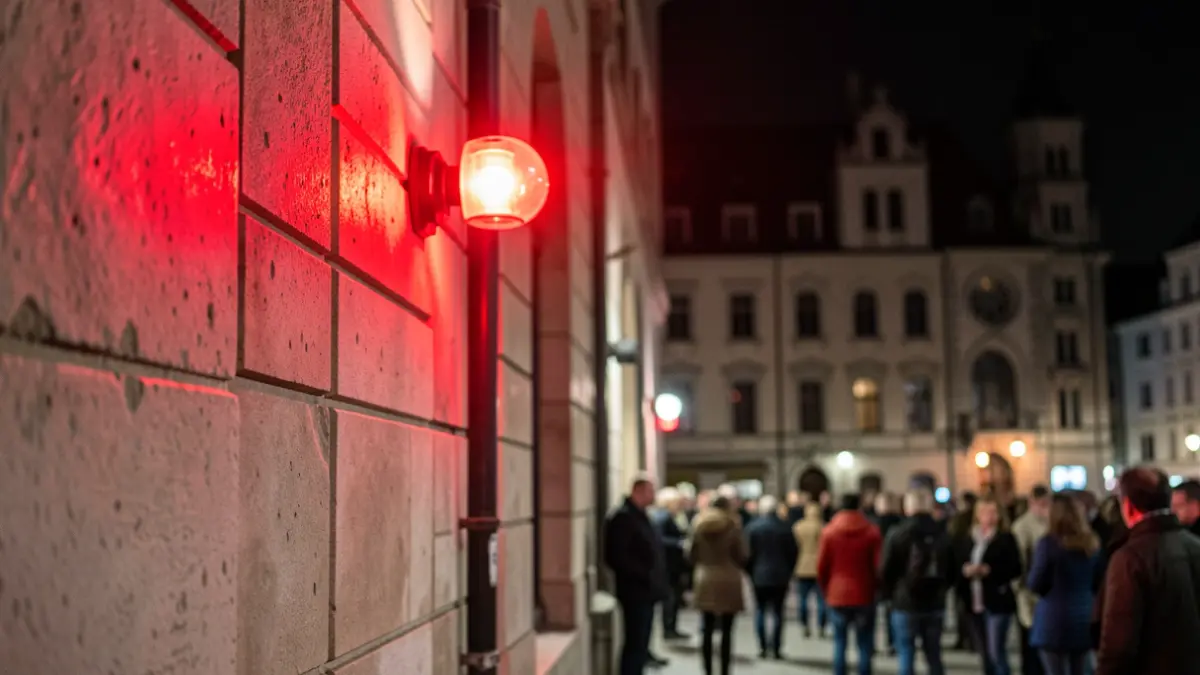
To visualize the importance of donation, the Basque Centre for Transfusion and Human Tissues of Osakidetza has promoted an initiative whereby numerous institutions are illuminated in red for World Blood Donor Day. 'We want to take advantage of this date to remember that blood donation, although born from an individual act of solidarity and altruism, constitutes a fundamental strategic resource for the sustainability of the system,' they explain. In Álava, the Basque Parliament, the General Assemblies of Álava, the Provincial Council of Álava, and the Vitoria-Gasteiz City Council have joined, along with the municipalities of Iruña de Oca and Berantevilla.
Last year, Euskadi registered 79,107 donations from 46,418 people, the majority being regular donors, with an additional 6,599 new donors. Thanks to this commitment, donations directly or indirectly help more than 60,000 patients each year.
The Department of Health and Osakidetza wish to thank all the people who donate or have donated at some point. The red illumination aims to pay tribute both to those who do it altruistically and to the thousands of people who receive transfusions or treatments derived from blood and plasma donations each year.
Donantes de Sangre de Euskadi updates the status of its reserves by blood group daily. In the photograph from June 14, the four Rh-negative groups (O-, A-, B-, and AB-) were in urgent donation status; O+ and A+ groups required donations within two or three days, and only B+ and AB+ remained stable. The scarcity of negative groups is particularly sensitive, as O- is the universal donor and essential in emergencies. The updated status can be consulted at any time at donantesdesangre.eus.