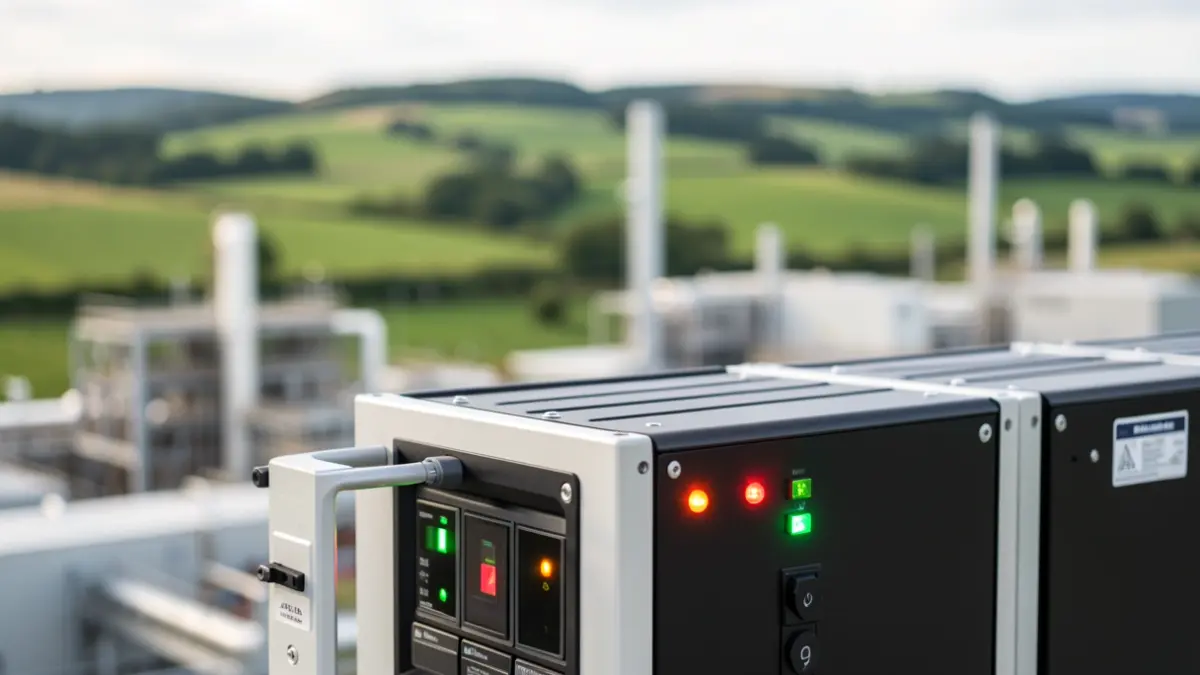
The Department of Industry, Energy Transition and Sustainability of the Basque Government is currently processing a total of 21 battery energy storage (BESS) projects submitted in the Basque Country. The total storage capacity of these projects amounts to 1,403.326 MWh, and the total charge/discharge power reaches 352.61 MW.
Storage capacity refers to the maximum energy an installation can hold, while charge/discharge power is the maximum power a battery can demand from or supply to the grid at any given moment.
Out of the 21 projects in process, 6 have already obtained administrative authorization; the remaining 15 are in initial stages. The projects are split 50% between Araba and Bizkaia. Half of these projects – 10 – are of relatively small power, under 25 MWh.
Currently, the Basque Country has two operational installations since 2021, linked to the wind farms of Oiz and Elguea-Urkilla. At the time, these installations were pioneers in Spain, serving as a reference for developing their operational models.
Battery Energy Storage Systems (BESS) are energy installations connected to the grid that consume energy when there is a surplus and return it when demand is high. They are a necessary complement to renewable energies, as maintaining a balance between generated and consumed energy is crucial for the electrical grid.
The primary limitation of renewable energy is its dependence on natural conditions. Storage provides management capacity. Traditionally, energy storage was done through hydraulic pumping, but in recent years, technological advancements in batteries have reduced costs and increased energy density.