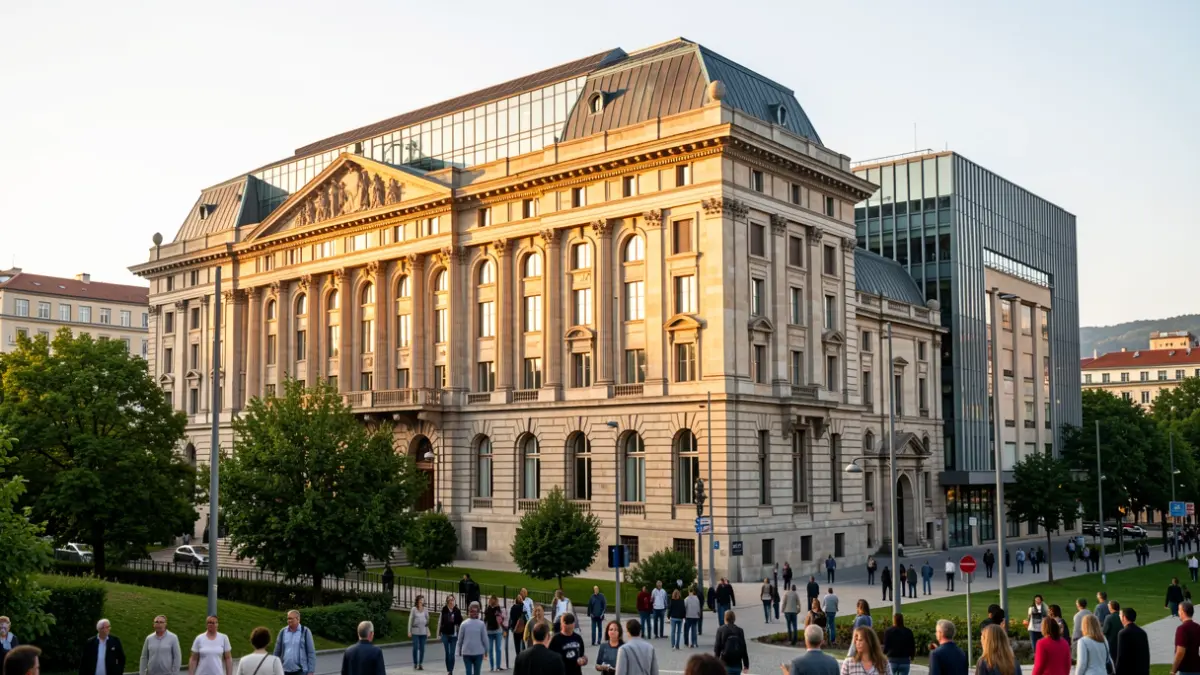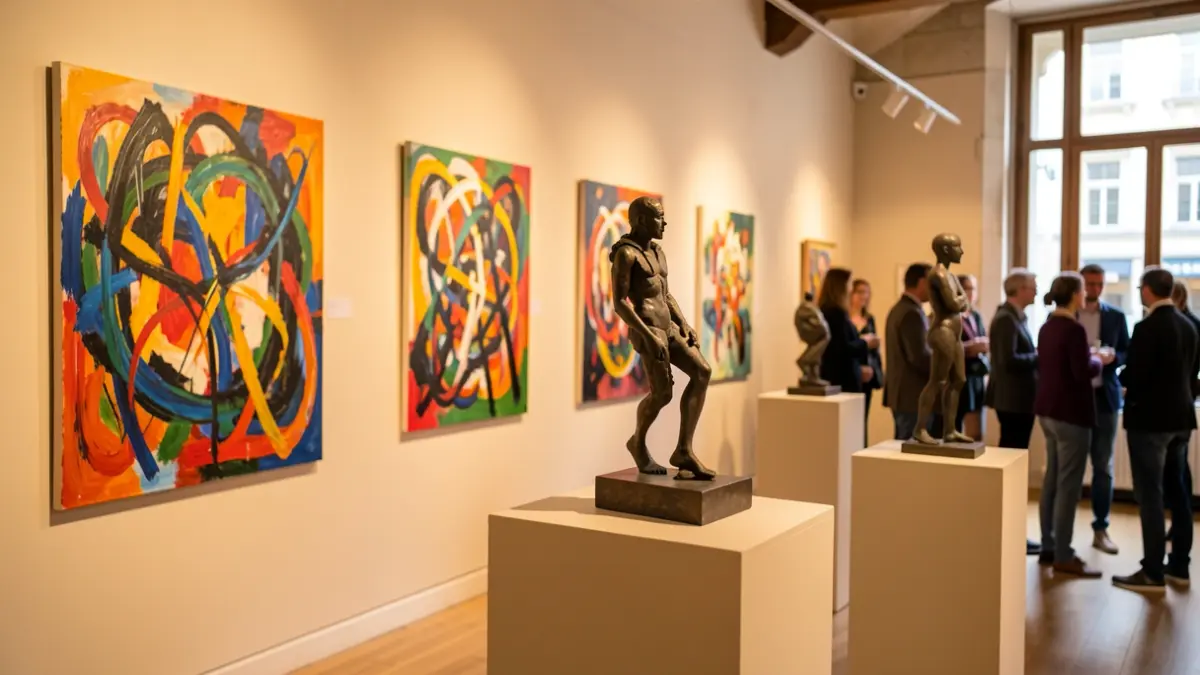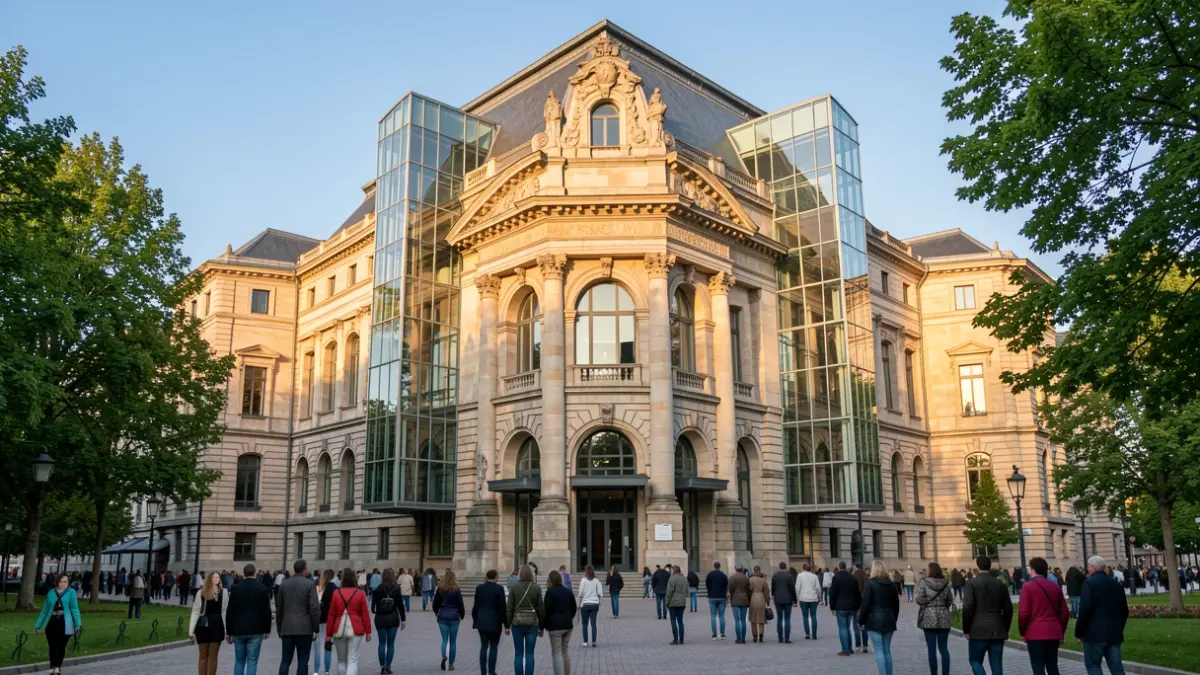
The Museum of Fine Arts of Álava is hosting the four major print series by Francisco de Goya for the first time in the territory in the exhibition ‘Fantasía y razón’, which will be open until February 2027. This exhibition is a milestone not only for bringing together 200 prints by the Aragonese master but also marks the retirement of its director, Sara González de Aspuru, after 41 years at the helm of the art gallery. The collection also arrived at the museum in an unusual way, as a dation in payment from the Juan Celaya Letamendi Foundation to settle its tax debts.
For González de Aspuru, this exhibition is the crowning achievement of a career spanning over four decades. Although she has curated numerous contemporary art exhibitions, she acknowledges that Goya is a "universal" name and undoubtedly represents a "summit" of sorts.
The exhibition features the artist's most celebrated and studied series: ‘Los caprichos’, ‘Los desastres de la guerra’, ‘Tauromaquia’, and ‘Disparates’. According to the director, these are "the most important, best-known, most relevant, and most studied." Her influence, she explains, has extended through the 19th and 20th centuries, inspiring "artists, writers, and filmmakers due to the contemporary relevance of the themes he addresses."
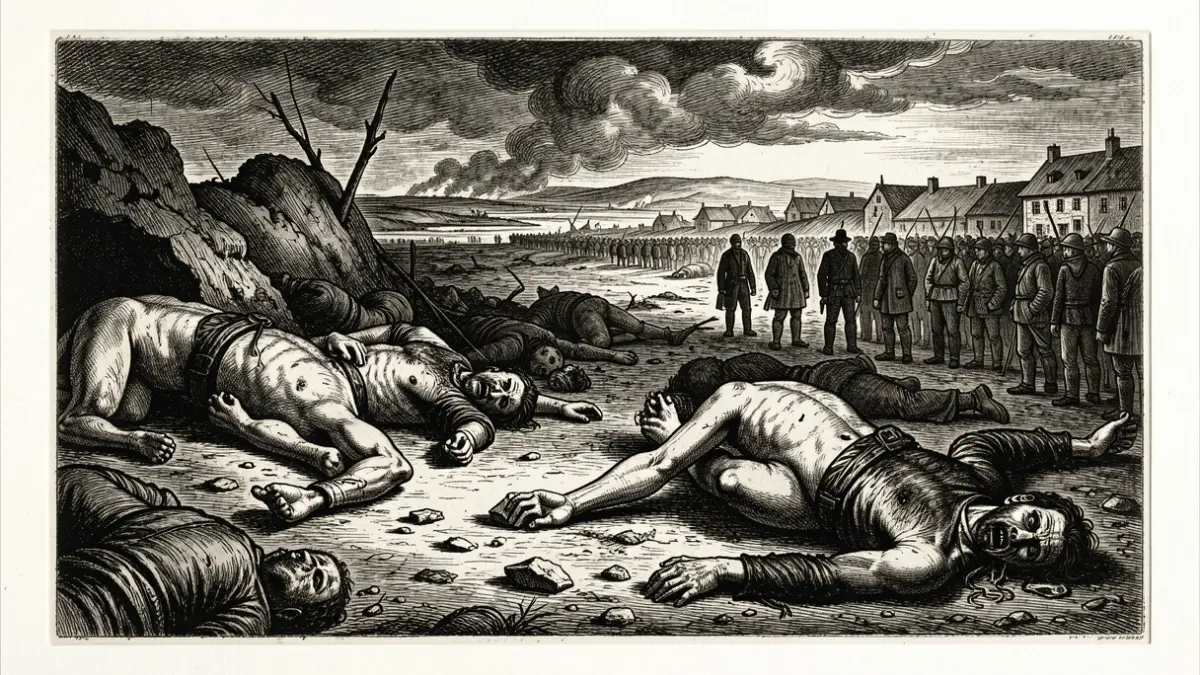
Among all the series, González de Aspuru highlights ‘Los desastres de la guerra’ for its rawness and enduring relevance, a work that "almost gives you goosebumps." Goya began this series around 1810, during the Peninsular War against Napoleon, after witnessing the horrors of the siege of Zaragoza. "The number of dismembered, piled-up bodies, they are truly dehumanized, that is the terrible aspect of death," she details. The work depicts not only the battlefield but also the consequences for the civilian population, such as hunger and speculation.
The horror did not end with the conflict, as after the war came the absolutism of Ferdinand VII, she recalls. For the director, Goya's work "carries a universal message that, unfortunately, can be applied to all wars."
The acquisition of Goya's prints through dation in payment is not an entirely exceptional circumstance; it helps to enrich the collections of provincial museums. While González de Aspuru explains that, although the mechanism exists and has been used, a collection of this magnitude for the 19th-century and Civil War chronology that the museum handles had never been acquired before.
Under her direction, the museum, which she calls the "mother of all museums" in Álava for having housed other collections in the past, has consolidated its identity. "We have, above all, Basque art, which is perhaps the essence," she comments. In the last 25 years, the collection has grown to nearly 3,000 works, including key figures like Ignacio Díaz de Olano.
Regarding her legacy, she states with satisfaction: "I believe I have left a mark, over these 41 years; someone will come who will change things and have their own criteria, but I am satisfied."
“"Heritage belongs to everyone, and we have always fought for its conservation for the future."
Looking ahead, the outgoing director observes a "widespread interest in museums" across all age groups, from young people to the "elderly," who are showing strong engagement. She attributes part of this success to social media, which "are helping with this," citing examples like "live streams from the Prado accumulating 20,000 visits," and to the increase in tourism. "Traveling audiences like to see works that are not the usual offerings everywhere, but something specific, more local," she reflects.