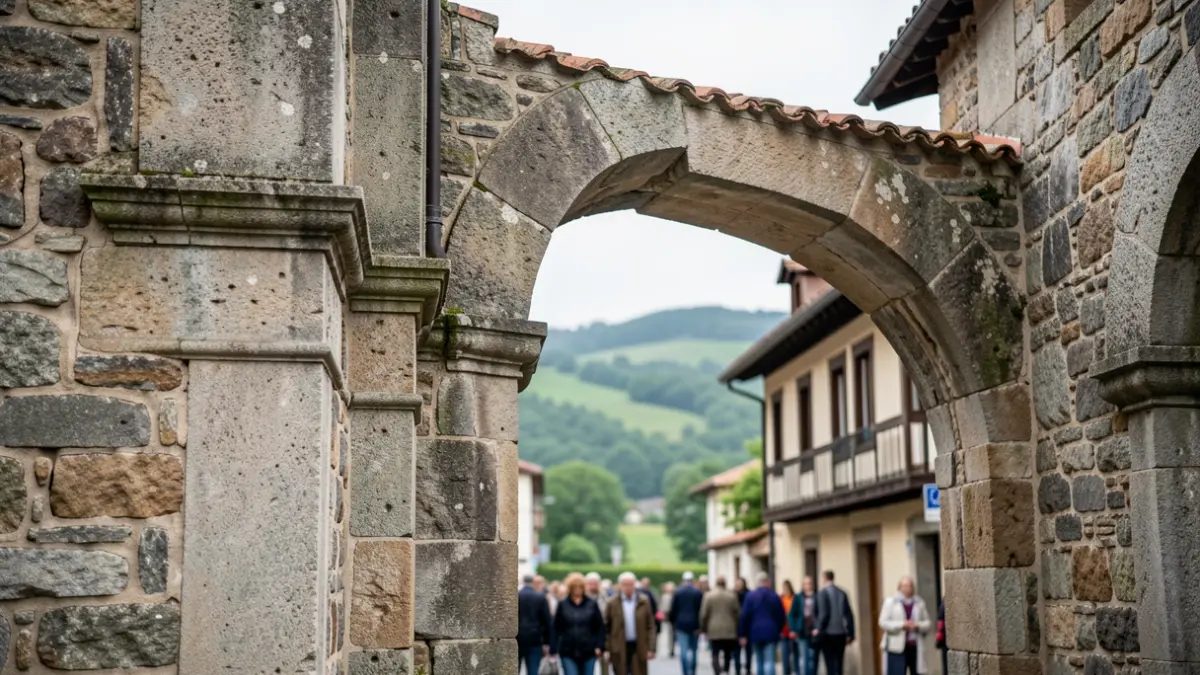
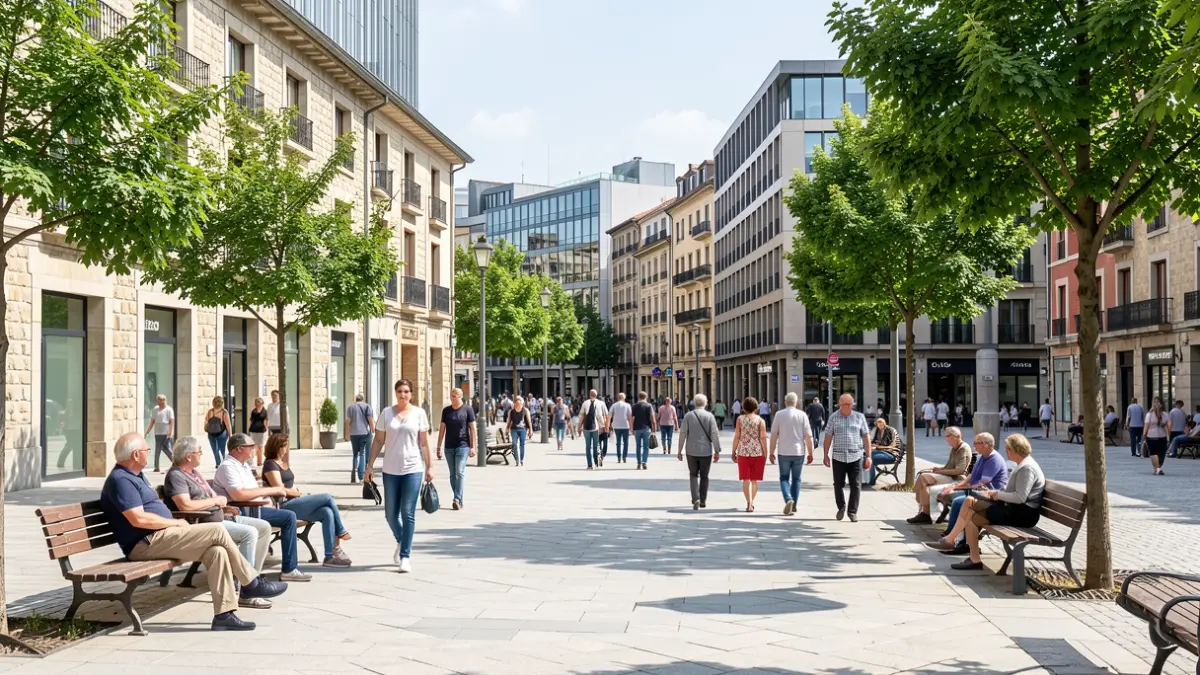
Vitoria-Gasteiz is hosting the 13th Congress of the Network of Cities that Walk, attracting over 200 participants, the highest number recorded in its thirteen editions. The event, held under the theme ‘Camina en Verde – Berdez Ibili’ until Saturday, October 24th, aims to exchange experiences and advance towards more accessible, healthy, and people-oriented cities.
The congress opening was attended by the Mayor of Vitoria-Gasteiz, Maider Etxebarria, the Councilor for Public Space and Neighborhoods, Miren Fernández de Landa, and renowned international urbanist Guillermo Peñalosa. Etxebarria highlighted the city's history in reclaiming public space for people, emphasizing the sustained commitment to adapting it to a "human scale".
Fernández de Landa noted that Vitoria-Gasteiz currently has approximately one and a half million square meters of pedestrian space, stating that "a walking city is not just a city with many pedestrian streets. It is a city that allows people to enjoy public space with comfort, safety, and autonomy, regardless of their age or abilities".
A notable intervention was by Guillermo Peñalosa, a Colombian-Canadian urbanist and international reference, known for promoting the 8-80 cities concept, which posits that streets and public spaces should be designed for both an eight-year-old child and an eighty-year-old person to use safely and comfortably.
The inaugural day also included a tribute to José Ángel Cuerda, former Mayor of Vitoria-Gasteiz, a key figure in the city's pedestrian transformation, whose decisions helped restore streets as places for meeting and coexistence.
Over the coming days, the congress will address topics such as universal accessibility, pedestrian mobility, population aging, and adapting public spaces to climate change, with municipal representatives, urbanists, and specialists sharing experiences and proposals.