The Vitoria-Gasteiz City Council has granted ADIF the necessary permits to carry out geotechnical surveys linked to the new train station on Calle Dato project. These works will allow for the analysis of the ground characteristics of the future station and the projects integrated into the planned railway operation between Júndiz and Cerio, a corridor of approximately 14 kilometers.
In addition to the new terminal, the project includes the adaptation of railway access, the construction of gauge changers to connect the High-Speed network with the conventional one, and the replacement of infrastructure affected by the works, such as the Ariznabarra and Fuente de la Salud footbridges, which will be rebuilt. The total planned investment is around 300 million euros.
The mayor, Maider Etxebarria, emphasized that the authorization of these surveys "allows steps to continue being taken on a project that is essential for the arrival of High Speed". "This is not a mere administrative procedure," she highlighted, "but a necessary step" to make High Speed a "closer" reality that will help reinforce Vitoria-Gasteiz's position as a "strategic hub for mobility and economic activity".
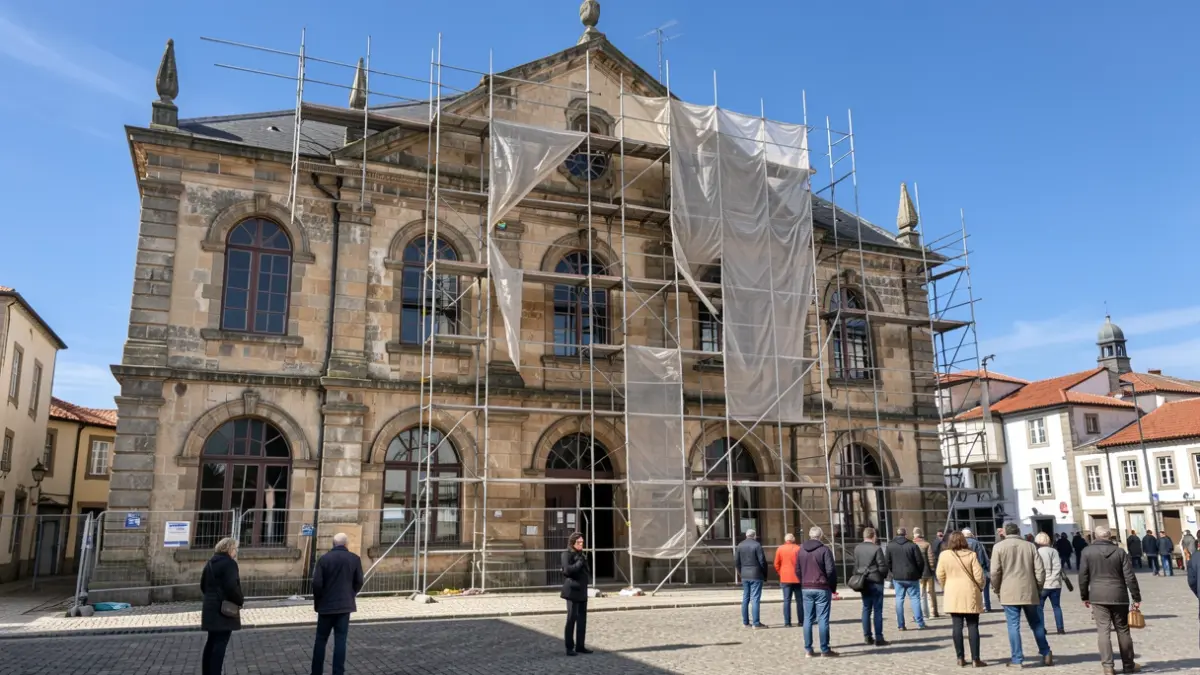
The new station will combine the conservation and enhancement of the current historic building, which will continue to be the main access for travelers, with modern facilities adapted to future needs.
The project includes a large underground hall that will house the boarding area, commercial spaces, and access to the platforms. This space will have connections with the original building, with the Paseo de la Universidad, and with a two-story underground car park with capacity for approximately 200 spaces.
The development also includes an underground pedestrian passage of over 1,000 square meters between the Plazuela de la Estación and the Paseo de la Universidad, which will improve the connection between both areas of the city. In addition, a perimeter pedestrian walkway will facilitate access to the boarding area and allow natural light to enter.
The scale of this infrastructure responds to the significant projected growth in railway demand with High Speed. While last year the Dato station registered 737,000 travelers, forecasts suggest this figure could reach 3.8 million users in the next decade, multiplying the current volume by five.