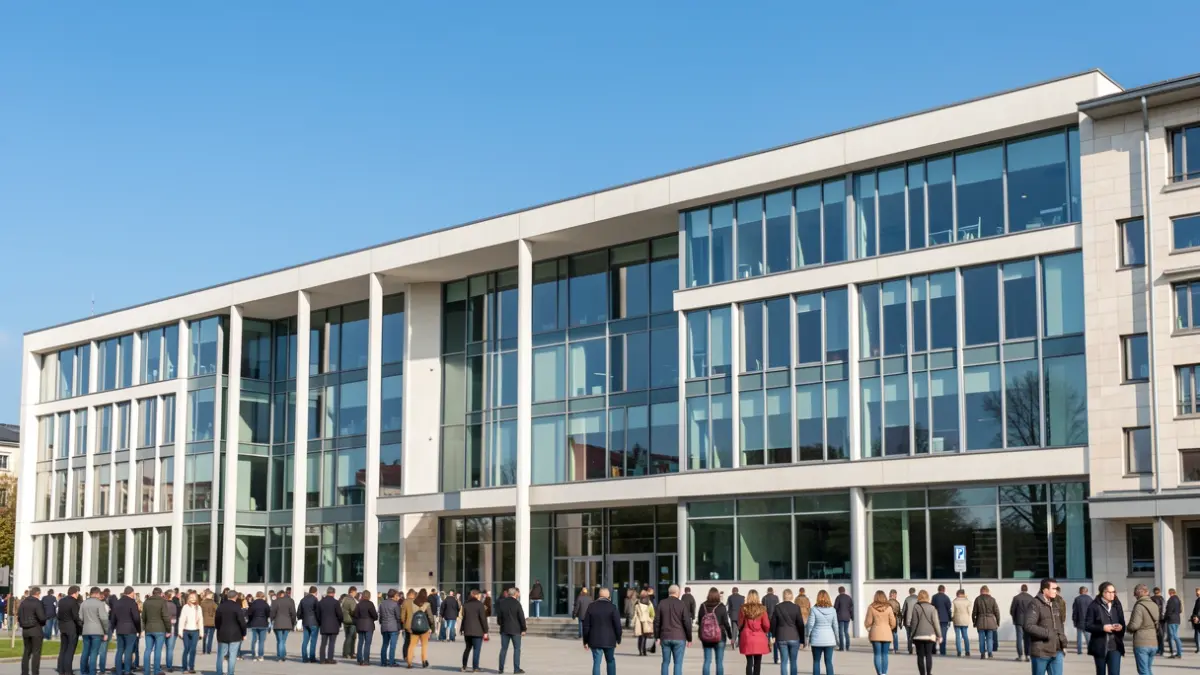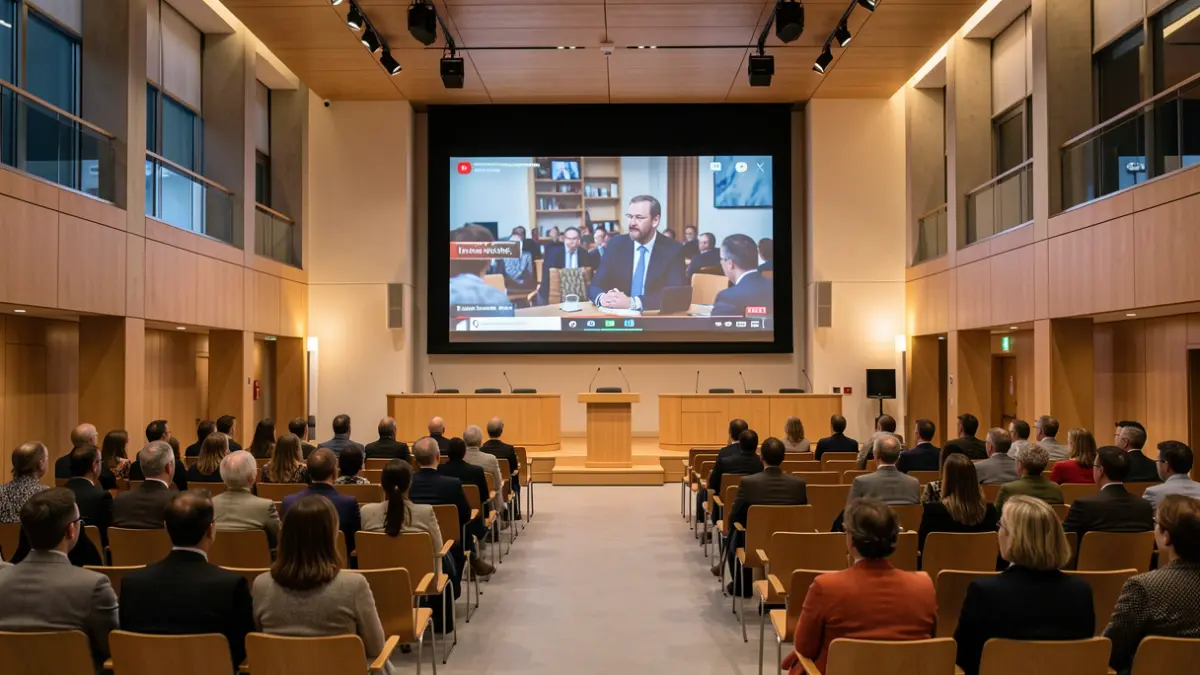

This first session, part of a three-event cycle focused on Governance, Opportunities, and Community, combined expert contributions with structured participation, aligning with the European Commission's Strategy on Intergenerational Equity approved in March 2026.
During the event, counselor Nerea Melgosa clarified that incorporating the perspective of intergenerational solidarity into public policies means recognizing that "no generation lives in isolation.
We must overcome a fragmented view of society. It's not about pitting young people against older ones, nor about distributing rights as if they were competing resources. It is precisely about understanding that the well-being of a young person accessing decent housing, quality employment, or continuous training is connected to the security, autonomy, and participation of older people," explained the Minister of Welfare, Youth, and Demographic Challenge.
For her part, the president of Eusko Ikaskuntza, Ana Urkiza, emphasized the importance of solidarily analyzing the needs of different generations and valuing each generation's capabilities and knowledge. "We are facing a fundamental issue for the future of our society: maintaining and advancing as a cohesive and just society. For this, it is essential that present and future generations dialogue with each other and allow the transmission of a dignified and sustainable heritage," Urkiza added.
The main presentation was given by Christiny Miller, a member of the [ZOE Institute for Future-fit Economies](https://zoe-institut.de/en/home-2/), who introduced the Intergenerational Governance Matrix, a tool designed to help governments incorporate intergenerational equity into their policies. This matrix crosses five pillars (long-term orientation, prevention and resilience, experimentation and adaptability, representation and participation, and policy coherence) with four governance levers (strategic commitment, institutional capacities, analysis processes and tools, and results and funding).
The next two sessions in the DENONA cycle will take place on October 7th at BBK Kuna (Bilbao) and on October 19th at the Central Building in Miramon (Donostia).