
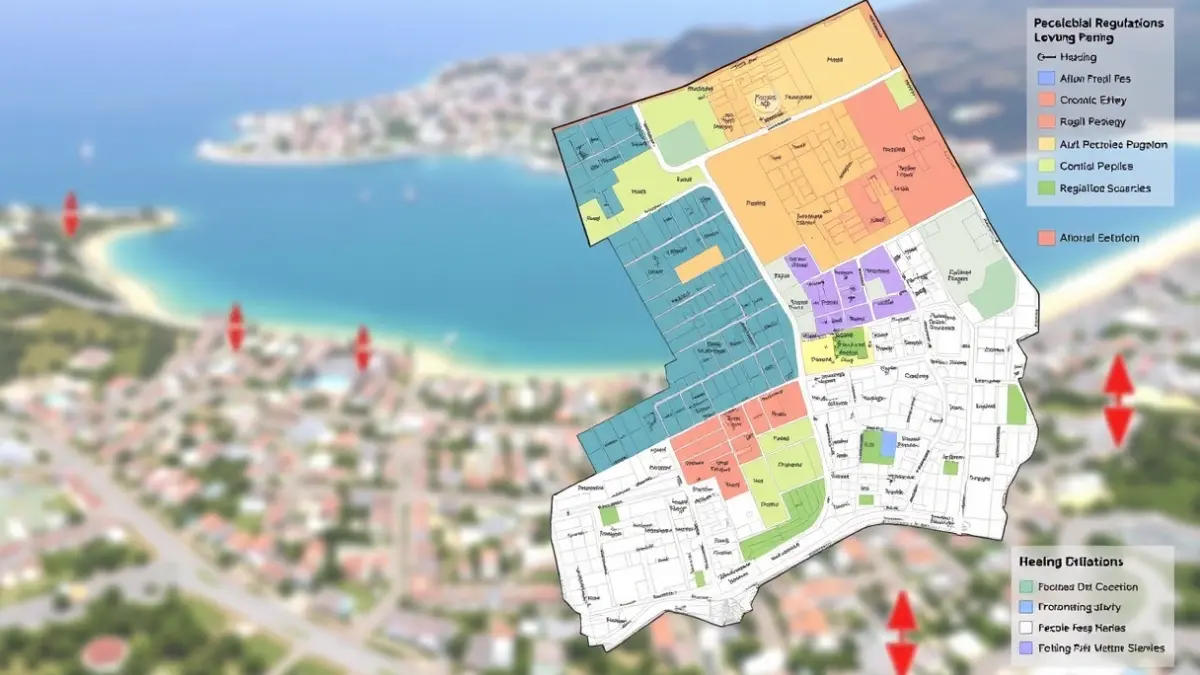
The PGOU, presented by the municipal government, is positioned as a fundamental tool for the municipality's future, aiming to ensure citizen well-being and balanced development. This plan regulates the municipality's urban planning, defining what, where, and how much can be built. Before 2020, Zumaia only had subsidiary regulations dating back to 2004, which prompted the initiation of a long and complex process for the new plan's development in that year.
The process included a citizen participation program, followed by an urban information phase where the entire population was offered the opportunity to identify and discuss the municipality's needs. A total of 233 people participated, mostly through digital channels due to the pandemic context. This process led to the advance document, which outlines criteria and objectives structured in areas such as the natural environment, mobility, housing, economic activity, and facilities. The document was again subjected to public exhibition to contrast alternatives, and on January 27, 2022, the municipal plenary session unanimously approved the plan's criteria and objectives.
“"According to the municipal government, the process has been open and participatory from the beginning, which gives legitimacy and solidity to the proposal."
The main challenge identified in the plan is housing. A total of 863 homes are foreseen, of which 680 will be new constructions and 60% protected. Additionally, 150 homes will be allocated for social rental in Puntanueta and, through an agreement with the Basque Government, another 35 in Aita Mari, totaling 185. Among the main planned actions are the improvement of access to the municipality, especially in Narrondo, the Guascor-Urola area, and the station's surroundings. In Narrondo, residential development is proposed, while in Guascor-Urola, the renewal of the economic area, the construction of new homes in the Nardín area, and the provision of parking in Barinaga are planned.
Regarding economic activity, the document maintains previously planned but undeveloped land and incorporates new spaces. The focus is on promoting commercial use in new developments and differentiating agricultural land between high strategic value areas and transition zones. Finally, the plan places special importance on public space and facilities as key elements for social cohesion and coexistence. It proposes freeing up occupied spaces, creating new open areas, and moving towards a more sustainable mobility model. Among the new facilities planned are the relocation of the football field to Puntanueta and the creation of a natural swimming pool in the Paolbide area.
EAJ-PNV and PSE-EE voted against the proposal. EAJ-PNV stated that it did not share the proposed model, considering that it does not offer a medium and long-term solution to Zumaia's future needs. For its part, PSE-EE based its rejection on the dismissal of its proposal to transform tertiary land into residential in the Guascor area. However, the socialist party left open the possibility of supporting some PGOU projects in the future.