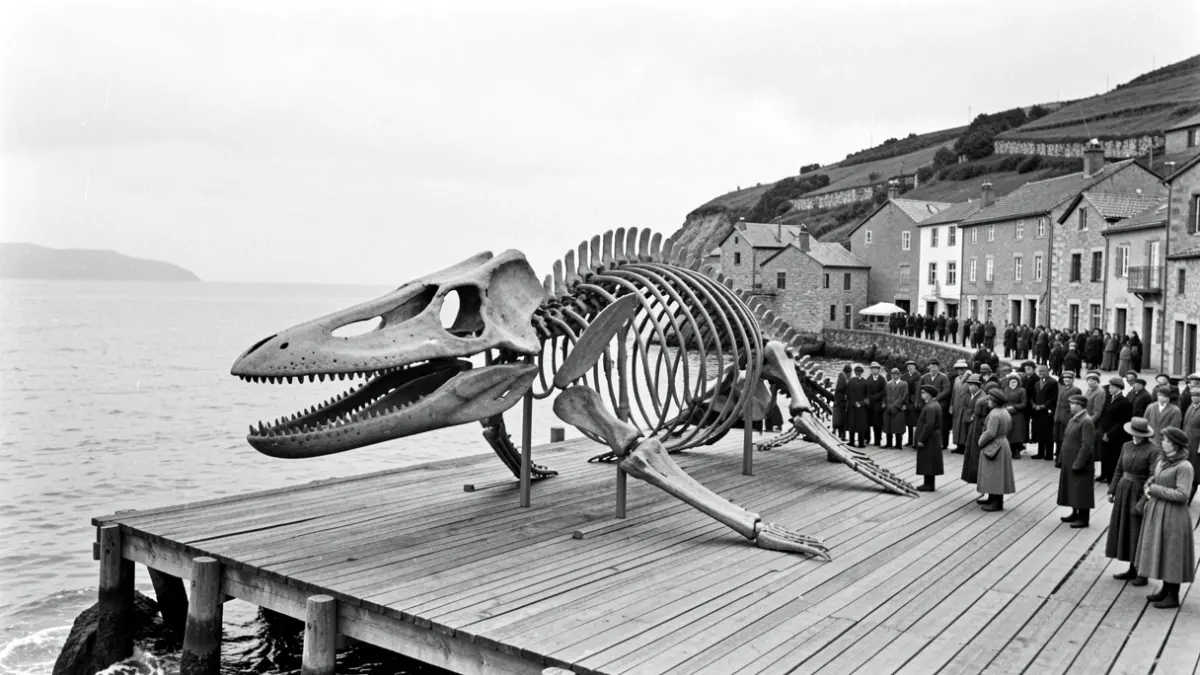
The capture brought significant wealth to Orio. At a time when whale oil was used for street lighting, every part of the animal was utilized: the baleen was used for umbrellas, the bones for furniture and construction, and the tongue was a highly prized food item in France.
The event generated immense interest in neighboring towns. Hundreds of people traveled from Donostia and other areas, mainly by train, to see the whale. Chronicles from the time report that over 1,500 people visited Orio in a single day.
The prosperity and morale boost from this event paved the way for improvements in local rowing preparations. Starting in May 1901, Orio began a period of dominance in regattas, becoming a legendary force in the Concha races throughout the century.