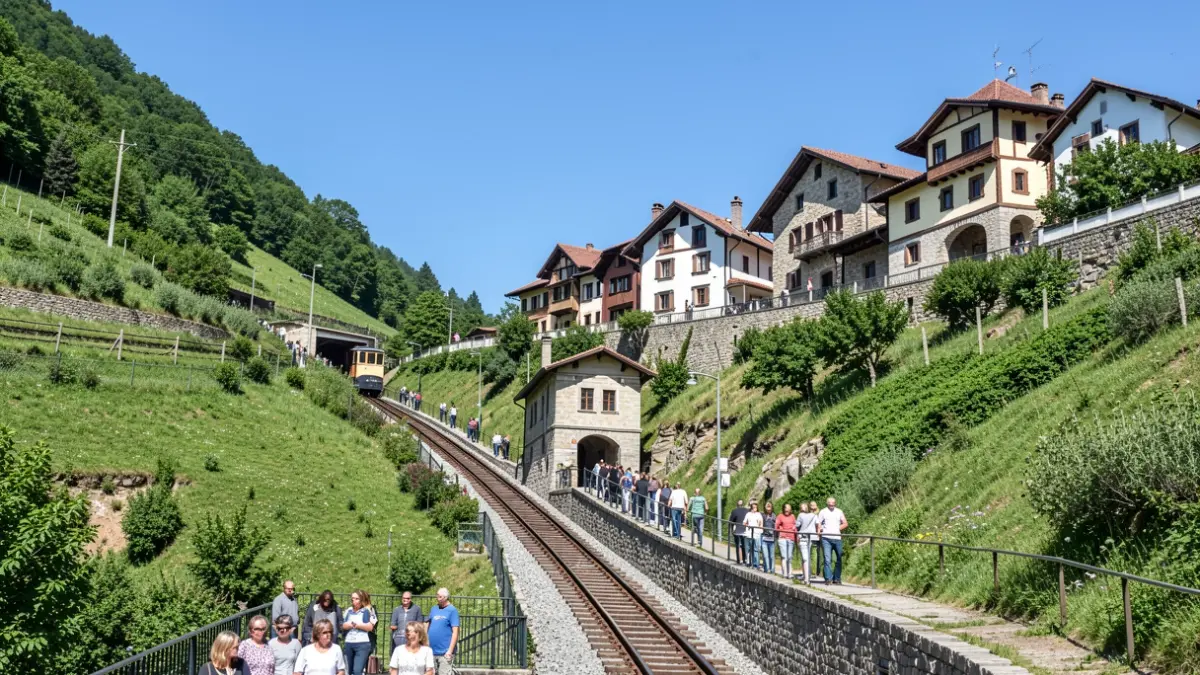
Euskal Trenbide Sarea (ETS), part of the Basque Government's Sustainable Mobility department, has carried out works on the former railway line between Azpeitia and Zestoa. The aim is to improve the use of a section of the track and reduce fire risk, particularly around the Lasaola train station.
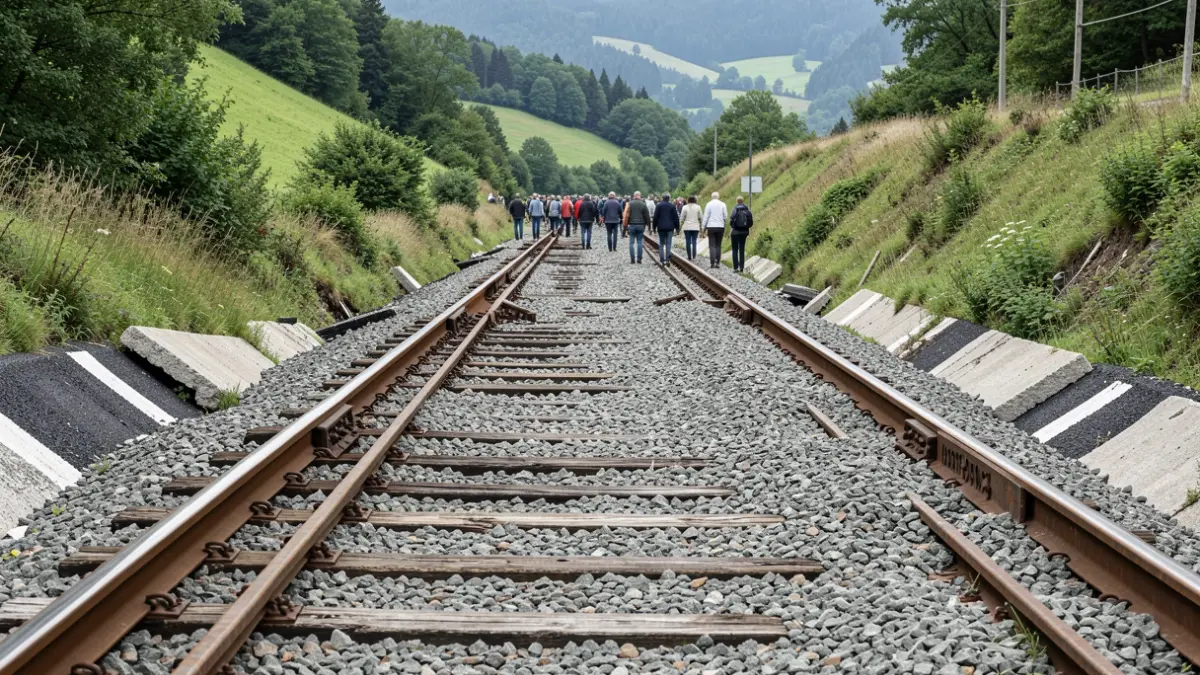
Previously, in Lasaola, there was a crossing towards the GI-631 road, followed by a railway section of about 320 meters, made of concrete and asphalt. This area was once adapted for shared use by steam trains and vehicles. However, for many years it has not been used as a shared roadway, causing damage to the museum's historic trains.
Euskal Trenbide Sarea explained that the current material is not compatible with the characteristics of the old trains, which is why the work was undertaken. The concrete and asphalt section has been demolished, the existing track dismantled, and new track components installed, transforming this section into an exclusive railway zone.
The works are nearly complete and had a budget of 455,242 euros. However, local farmers have reported that sparks from the train are causing small fires in nearby meadows and bushes, generating concern and anger.
The affected residents state they live in a state of alert, watching the train for potential fires to extinguish. They have approached various administrations to explain the situation without receiving a response. They have requested Euskal Trenbide Sarea to clean the track, as it increases fire risk, but the entity claims to lack funds for this, despite having money for the construction works.
Although the risk is higher in summer, they point out that the problem persists in winter as well, and they demand an immediate solution before something more serious occurs.