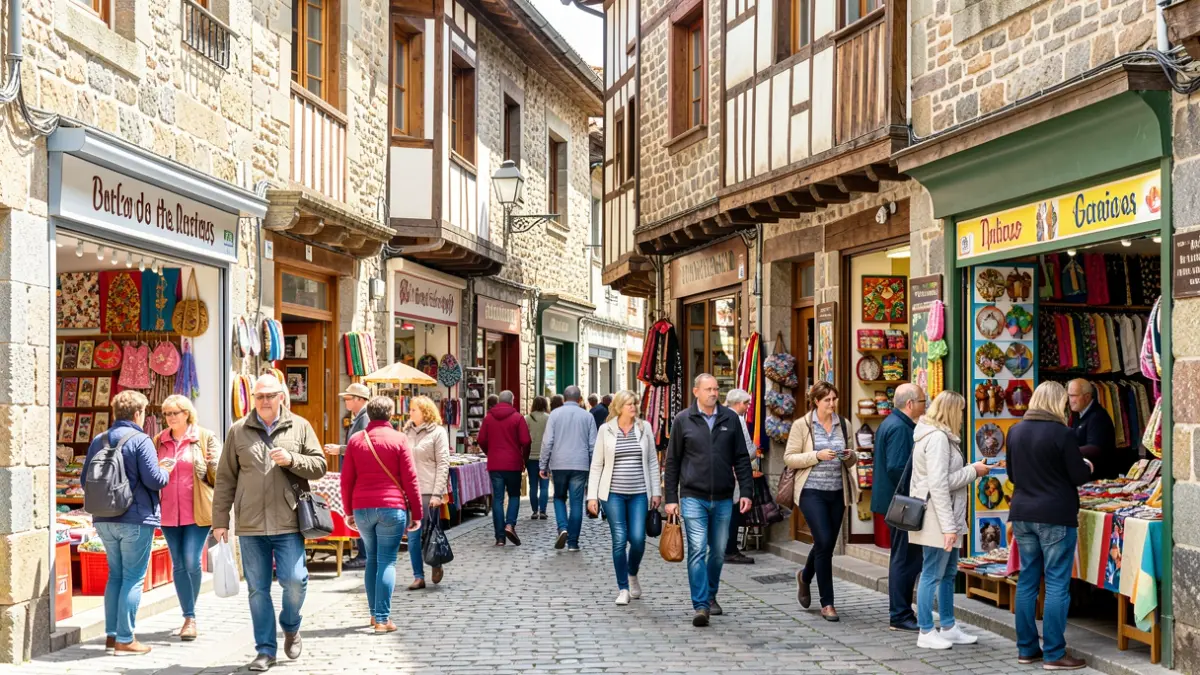
Over the past twenty years, numerous buildings in the Old Town and the main square of Azpeitia have been demolished, renovated, or rebuilt. These projects, promoted and supported by the Azpeitia City Council, have brought about a significant urban transformation in the town center.
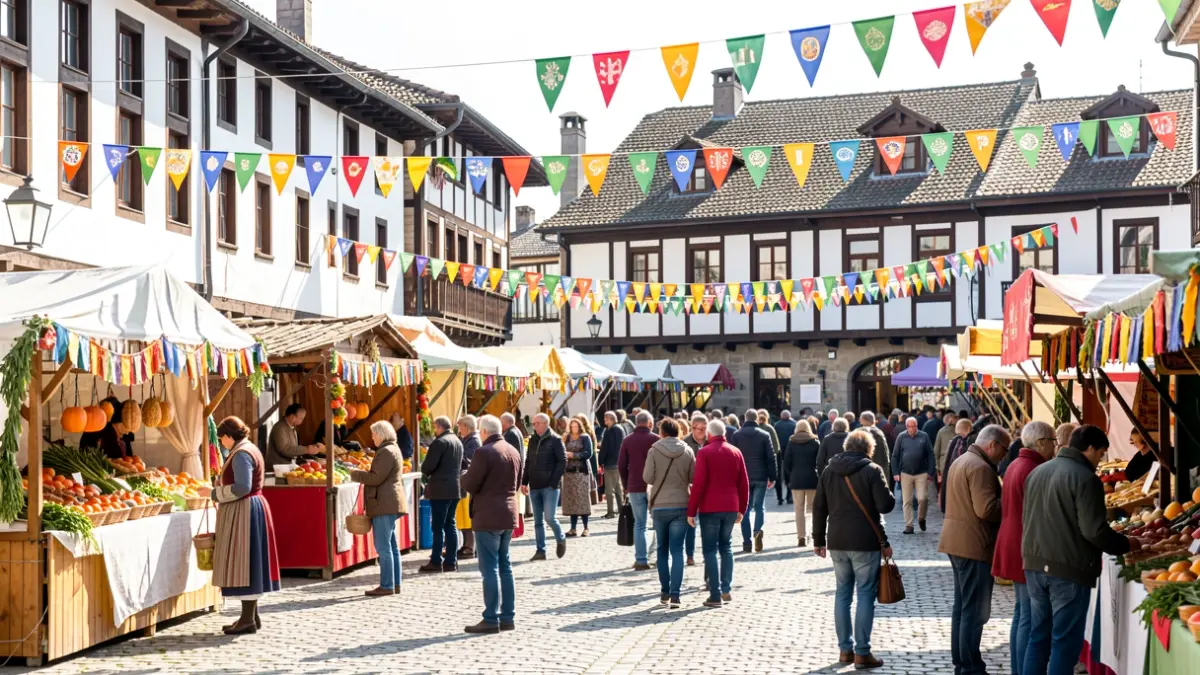
Between 2014 and 2016, the Azpeitia City Council renovated the main square and adapted it for pedestrians. The Azoka Plaza was refurbished and its appearance altered, with the removal of arches and a balcony. Additionally, the old bandstand was demolished and a new one was constructed.
In Goiko kalea, Bustinzuriko Errebala, Enparan kalea, Erdikalean, and Elizkalean, old residential buildings have also been torn down and replaced with new constructions, both privately and publicly promoted. Currently, the Basque Government and the Azpeitia City Council plan to build protected housing on two plots in Elizkale and Erdikale.
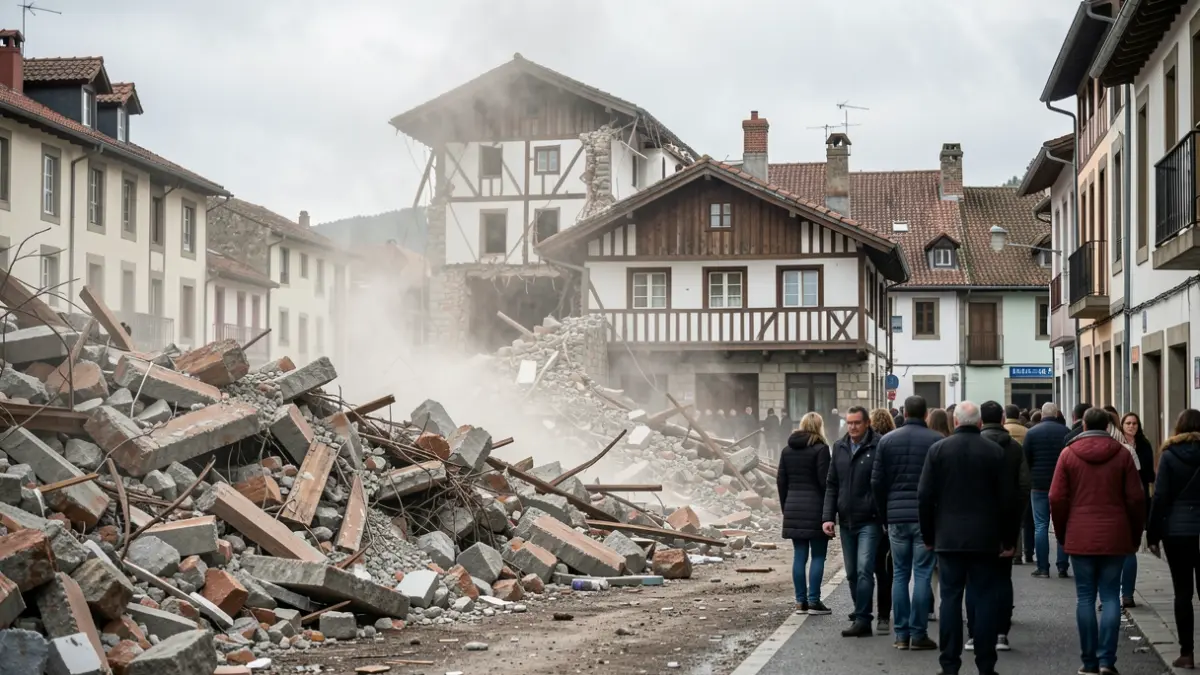
In October 2023, the 'Perretxikoa' or octagon on Jose Artetxe street was demolished, having previously served as the adult education school. In June and July 2025, the Perdillegi building, formerly the San Miguel patronato, was torn down. For many years, it housed the Juan Antxieta music school, the Municipal Euskaltegi (Basque language center), and Atzegi. The music school is now located in the Dinamoa creative hub, while the Euskaltegi and Atzegi are in the former Telefónica building on Perez Arregi square. The areas previously occupied by these two buildings are now used as parking for motorhomes and cars, pending the construction of a future center for the elderly.
In 2006, the Provincial Council of Gipuzkoa demolished the Loiolatxo building and created a car park in its place next to the old Loiola train station. The new headquarters of the neighborhood association was built there. The Loiolatxo building, constructed in the mid-20th century through community effort, served as a place for religious instruction, the neighborhood association's headquarters, and a shelter for night schools.
The Vocational Institute, inaugurated in 1961 and now one of the campuses of Izarraizpe Public Ikastola, was demolished in 2004 to make way for a new educational center. The old building on Perdillegi street housed classrooms for Urola ikastola, the headquarters of the Euskara Patronatuaren, and classrooms for the Municipal Euskaltegi.
The Larrin farmhouse, located in the Oñatz neighborhood, was demolished last September as part of an industrial development project promoted by the Azpeitia City Council and the Department of Economic Development, Sustainability and Environment of the Basque Government.
In August 2006, the old barracks were demolished, and several groups based there, including Erniarraitz bertsozale elkartea, Azpeitiko Argazki Elkartea, Antxieta jakintza taldea, Uztarria kultur koordinakundea, Urola Kostako Hitza, and Literatuzta, relocated to a building previously occupied by Telefónica on Perez Arregi square. Today, many of these groups are based in the Dinamoa creative hub or Soreasu.
Finally, last October, the Azpeitia City Council demolished the house at number 27 in Nuarbe, responding to residents' requests to create a car park in that area.