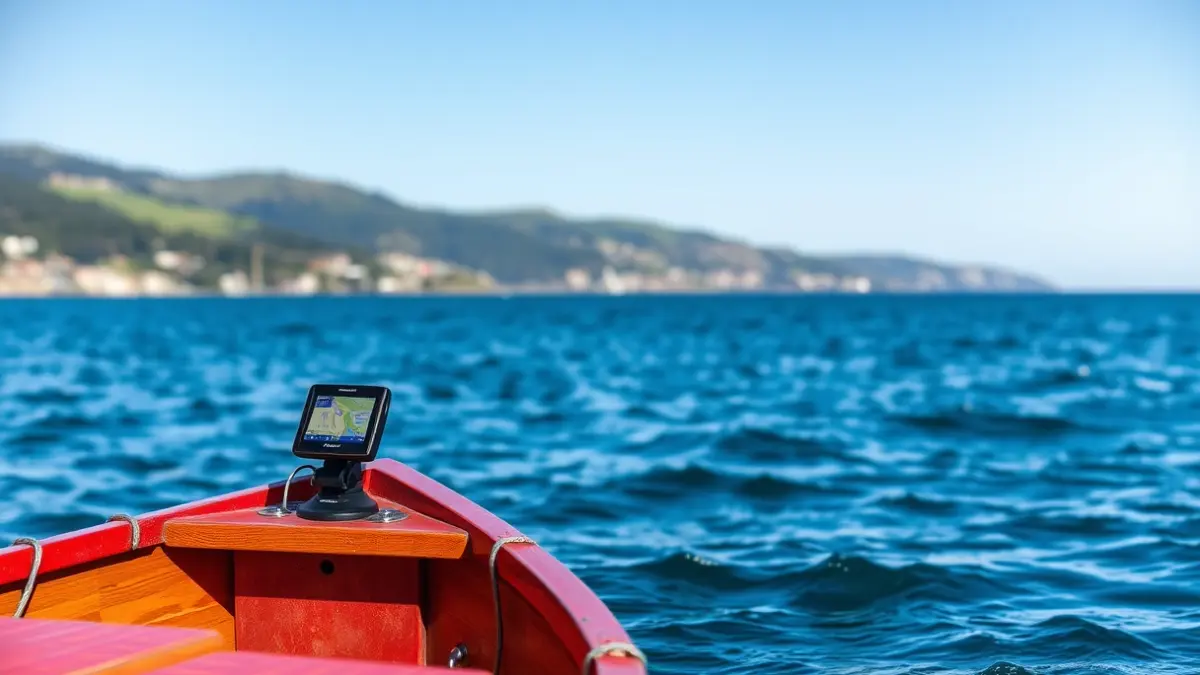
This initiative will deepen knowledge about the physical processes that determine the transport and accumulation/dispersion of waste in Basque rivers, transitional waters, and the Bay of Biscay. To achieve this, several small boats from participating entities will be launched, equipped with GPS, allowing their journey to be tracked in real-time.
“"One of the museum's purposes is the protection of heritage, which must be understood as a societal asset encompassing many areas. The objective of the Ulysses project is to improve the Basque coast and oceans, so we thought the museum could collaborate, also combining the adventure of navigating a small boat that can collect very interesting data during its voyage."
The museum collaborates with a wide network of volunteers, and its work is increasingly related not only to history but also to other fields. For instance, every year on Saint Ignatius' Day, the institution organizes a workshop for children to build small wooden boats. A person from the AZTI technology center, familiar with this activity, invited the museum to participate in decorating a boat as part of the Ulysses project.
The museum decided to decorate the boat with the colors of its logo, which represents an old galleon in the style used in the town. The red and blue boat, with other details and the name Plasentia de Butrón, is ready to set sail soon.
Meanwhile, on solid ground, the museum has welcomed a new temporary exhibition, titled Naval Construction in the Town, which will run until the end of the year. The exhibition offers a detailed journey through this tradition, highlighting its historical importance between the 16th and 19th centuries, when Plentzia became a prominent center of maritime activity. The exhibition gathers a varied collection of pieces that help understand this past: eleven ship models, three dioramas, over 30 original carpentry tools, five naval-themed paintings, three nautical charts from the 16th and 17th centuries, and various navigation instruments from the 18th and 19th centuries. This retrospective culminates with the model of the Magdalena, the last ship built in Plentzia in 1919.