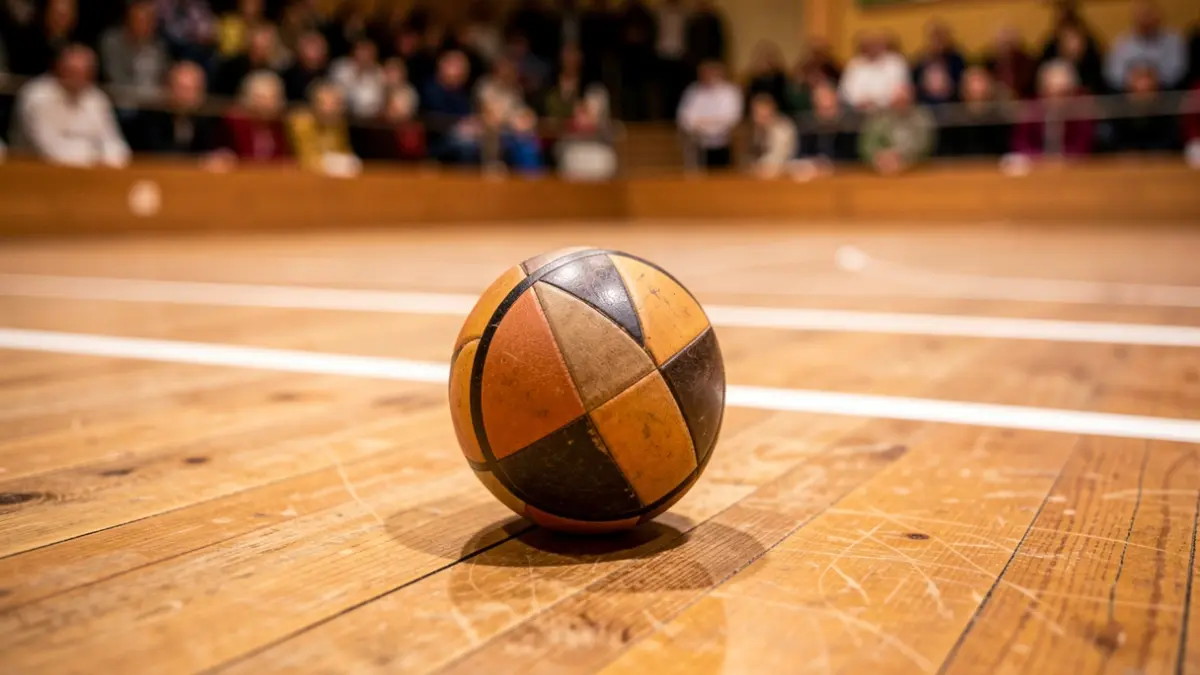
This marks the tenth edition of the event, and the number of participants has decreased compared to previous years. 233 pelota players have registered, down from 257 in 2025 and approximately 300 in 2024. A coordinator from the organization indicated that one reason for this decline is fewer children, as well as changing family habits.
“"Pelota is not a team sport, and players travel individually to matches. Nowadays, both parents often work outside the home, leaving less free time. There's a preference for children to participate in team sports, as this facilitates travel to matches, as it's done in groups."
Furthermore, there's a noticeable shift in the custom of playing in frontons. Previously, children spent more hours in frontons, especially in small towns, often with their parents. Now, however, they primarily play during training sessions due to the increased availability of extracurricular activities.
This year's event will maintain the same categories as last year. In hand-pelota, the benjamin A and B, alevín, and infantil categories will compete, along with the benjamin and alevín girls' category. In pala, alevín and infantil players will face each other, due to the absence of benjamin participants this year. For the third consecutive year, girls will play against each other in the hand-pelota modality, an option introduced in 2024. Seven pairs will compete in Alkiza.
The finals will be held at the Alkartasuna fronton in Anoeta, marking the first time the event takes place there. Last year's finals were on a Sunday due to scheduling conflicts, but this year the Saturday tradition will be reinstated on June 27. Matches will be played in various towns across the region: infantil in Amezketa and Albiztur; alevín in Berastegi, Bidania, and Zizurkil; benjamin A in Alkiza, Larraul, Tolosa, and Berrobi; benjamin B in Amasa and Anoeta; girls' hand-pelota in Alkiza, and pala in Aduna. In total, the event's activities will span thirteen frontons.
All pelota associations and schools in the region participate in the organization, which is crucial for the event's success. These associations and schools assist with registrations and are responsible for organizing matches in their respective towns. Participating associations include Aurrera Tolosa, Behar Zana, Intxurre, Kuku, Otsabio, Txulobi, and Zazpi Itturri, as well as several pelota schools from different villages.
Given the decrease in participant numbers, the Ataria Pilota Topaketa gains even greater importance in fostering youth development. Pelota associations and schools do significant work teaching children pelota, and this event provides an opportunity to meet and play with other pelota players from the region. Organizers emphasized that pelota is a Basque sport, and it is necessary to continue working to ensure the sound of the pelota continues to be heard in the frontons.