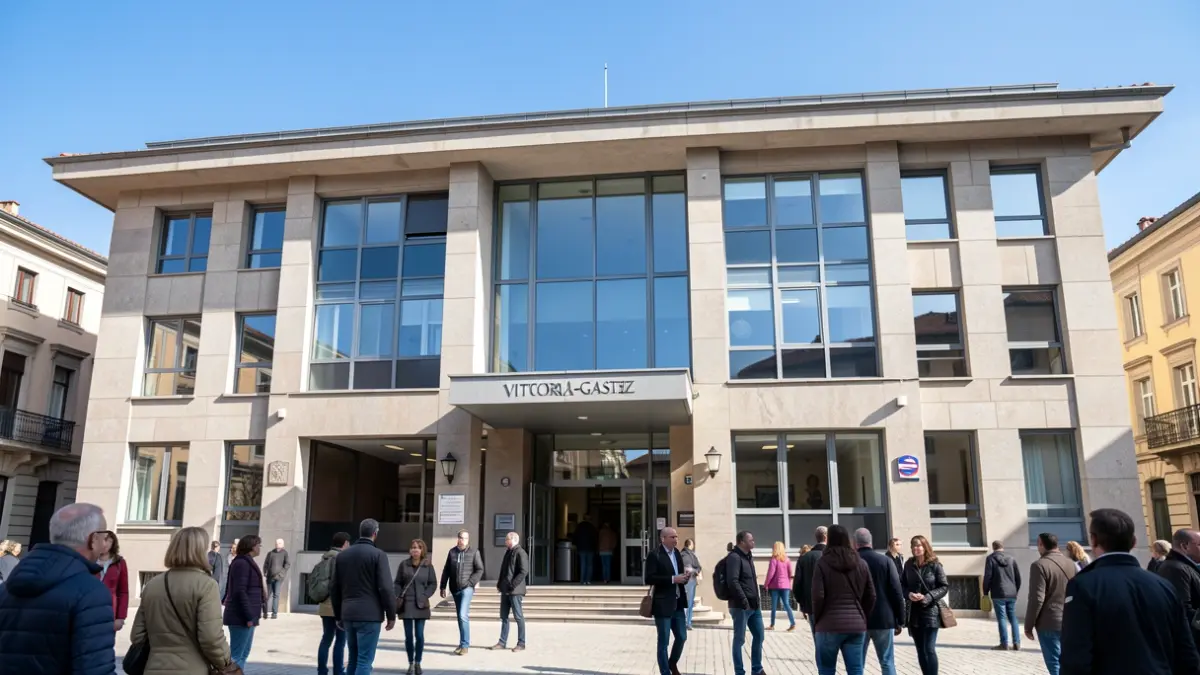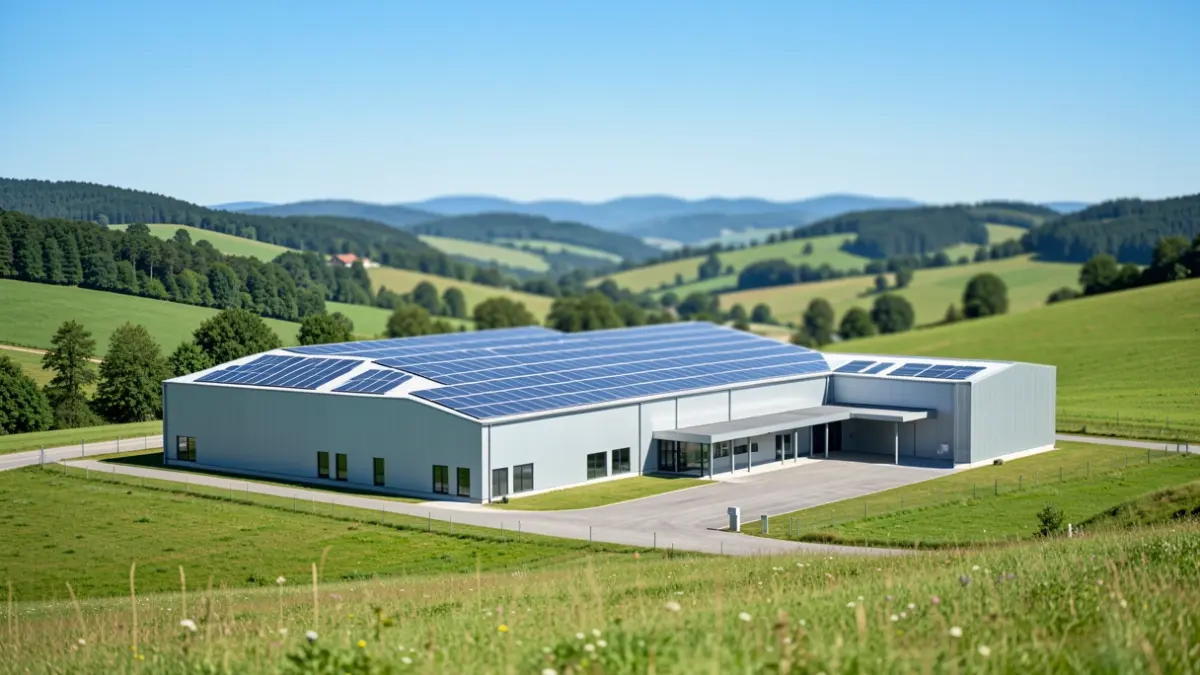
The facility, located in the industrial estate of Asparrena, began operations this Monday with the arrival of its first organic waste truck. The plant will serve the eight municipalities in the region and will process approximately 500 tons of organic waste generated by about 12,000 people annually.
The project was driven by the town councils of Asparrena and Donemiliaga and will be managed by the Cuadrilla de Llanada Alavesa. The goal is to convert domestic organic waste and waste from large generators, such as restaurants and industrial park companies, into compost for agricultural use.
The project commenced in 2024 with an investment close to 1.6 million euros. Funding was provided by the Ministry for the Ecological Transition (MITECO), Basque Government's Next Generation funds, and the Provincial Council of Álava.
The mayor of Asparrena, Txelo Auzmendi, highlighted during the inauguration that this is "the first organic matter treatment plant in the rural territory of Araba". She also emphasized the importance of supporting projects linked to the natural environment: "We live in an incomparable natural environment and we feel we owe it to it".
For his part, the president of the Cuadrilla de Llanada Alavesa, Gustavo Fernández Villate, explained that this infrastructure is part of the shift in the region's waste management model. While acknowledging that domestic composting remains "the most effective", he believes the plant will provide a solution for "larger urban centers, multi-story housing, and major producers". He also noted that the plant will enable the closure of the organic waste cycle: "The compost will return to the earth as a nutrient-rich fertilizer".
The opening of the plant is accompanied by changes in the region's waste collection system. The Cuadrilla de Llanada Alavesa has renewed the collection and transport service and contracted 485 "smart containers".