The collective has emphasized that occupation is not the root problem, but rather a means to address the difficulty of accessing housing in Gasteiz. They have accused institutions of failing to offer sufficient alternatives for those living on the streets and question what housing solutions are proposed for individuals who might become homeless if eviction threats materialize.
Errekaleor Bizirik claims that the statements by Etxebarria and Zupiria represent a political and media reaction against the neighborhood, and that institutions are not taking responsibility. They also criticize references to classism, calling it "ironic" coming from public officials who fail to guarantee basic rights such as access to the municipal registry.
According to the collective, the Ertzaintza (Basque Police) has also contributed to generating tensions in the neighborhood, allegedly using individuals in situations of exclusion to provoke these tensions. They further state that several members were injured as a result of this dynamic and denounce that the safety of those affected has not been guaranteed.
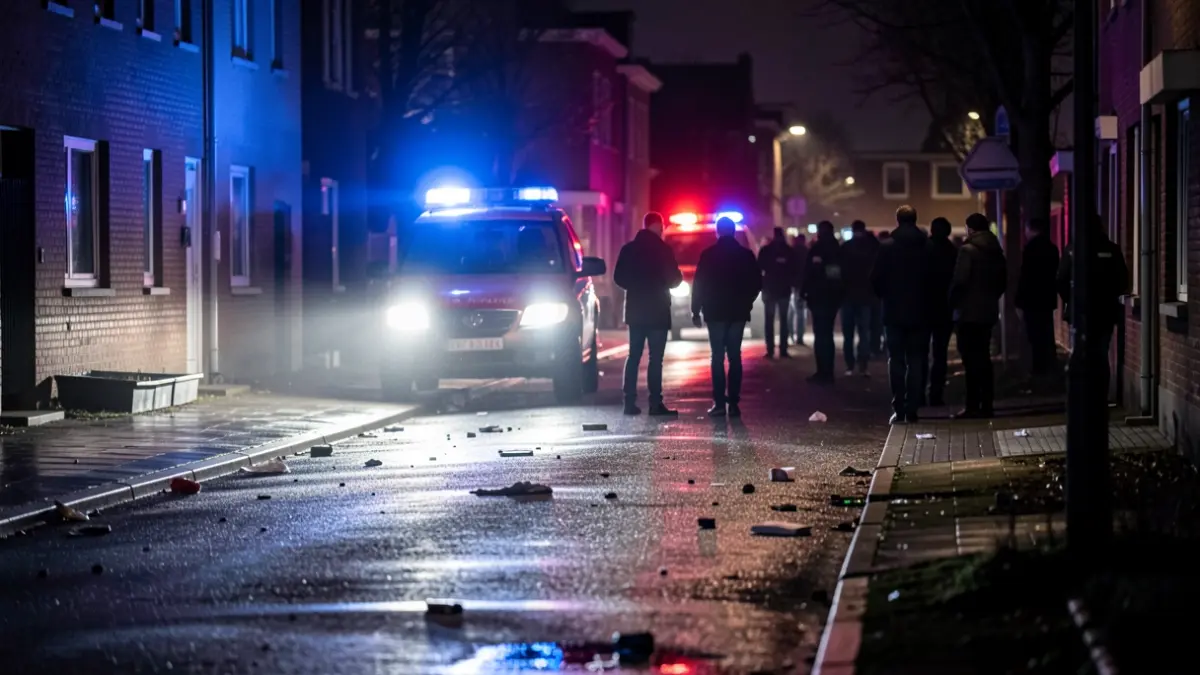
Errekaleor is experiencing a week of tension following several incidents, police presence, and institutional statements regarding the neighborhood's future. The Ertzaintza has reported identifications and the discovery of materials such as bats, clubs, improvised shields, and backpacks filled with stones. The mayor of Vitoria-Gasteiz has announced a legal analysis of the neighborhood's situation, but Errekaleor Bizirik rejects this interpretation, asserting that the events must be understood within a broader context of housing, social exclusion, and institutional response.