Students from 3rd year of ESO at Berriz Ikastola school in Berriz asked in this project why their ears grow as they get older. This initiative, created in collaboration by Zientzia Kaiera and The Conversation, answers young people's curiosity through articles by scientists.
Research has shown that the ears of older individuals are, albeit minimally, longer than those of younger adults, primarily due to the elongation of the earlobe. However, since hearing diminishes with age, larger ears do not serve much purpose.
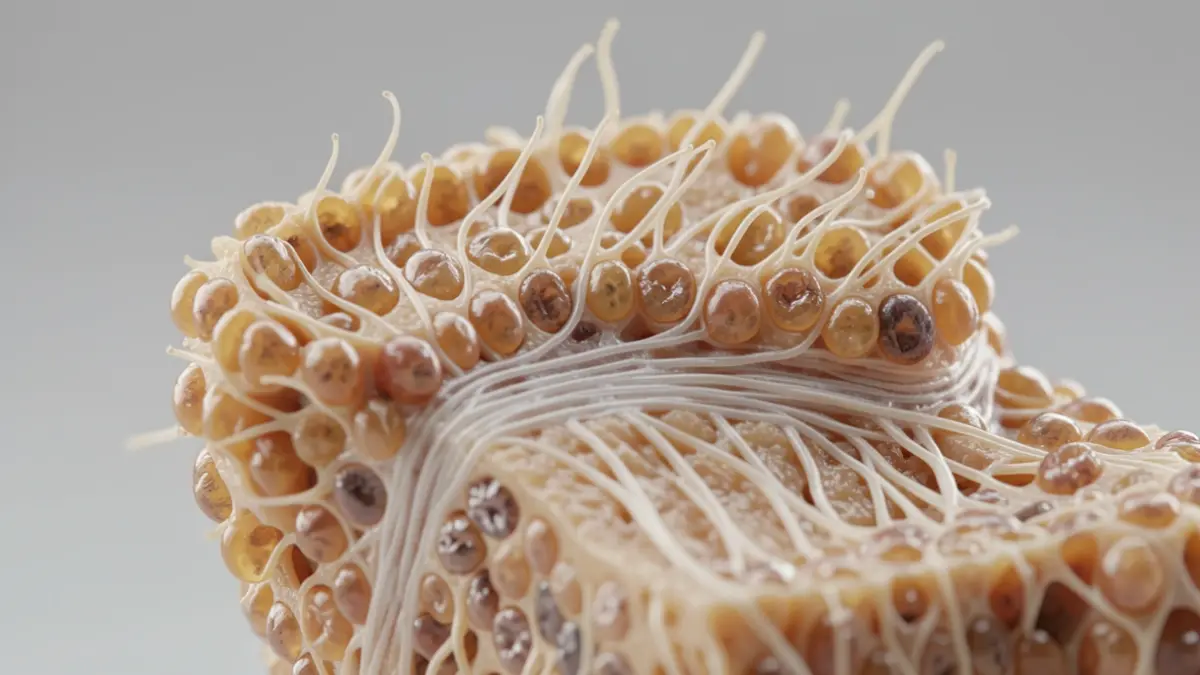
The ear's structure is composed of flexible cartilage, containing chondrocytes, collagen, elastin, and proteoglycans. Collagen provides rigidity, elastin provides flexibility, and proteoglycans trap water to keep the tissue hydrated.
With age, tissues lose elasticity. In youth, they are like new socks, quickly adapting to size; in old age, the elastic gives way and doesn't fit well. Furthermore, collagen also decreases and weakens.
The force of gravity, due to reduced elastin production in the cartilage, is not fully counteracted. Consequently, ears gradually sag and lengthen, appearing larger. Sun, cold, wind, and impacts can exacerbate this tendency.
Therefore, ears do not grow intrinsically with age but undergo structural changes and gradually lengthen due to gravity. Little can be done to prevent it.