Neighborhood associations consider the new regulation insufficient to guarantee the right to rest and free passage. For this reason, they are preparing objections, arguing that the text does not solve the problems of noise and overcrowding.
The Federation of Neighborhood Associations of Bilbao criticizes that the rule is continuous and does not differentiate the needs of each neighborhood. They point out that the same regulation is applied to areas with very different realities, which does not help to solve the problems.
Sources from the neighborhood associations recall that in 2018 the city council already tried to create a master plan for terraces to solve saturation in places like Ledesma, García Rivero, or Pozas, but the project was shelved. Now, the situation has worsened, and the problem has spread to more streets because, they criticize, the City Council “as soon as it has a free space and a terrace is requested, it grants authorization”.
“"The fusion of uses within a street section is what makes a city alive."
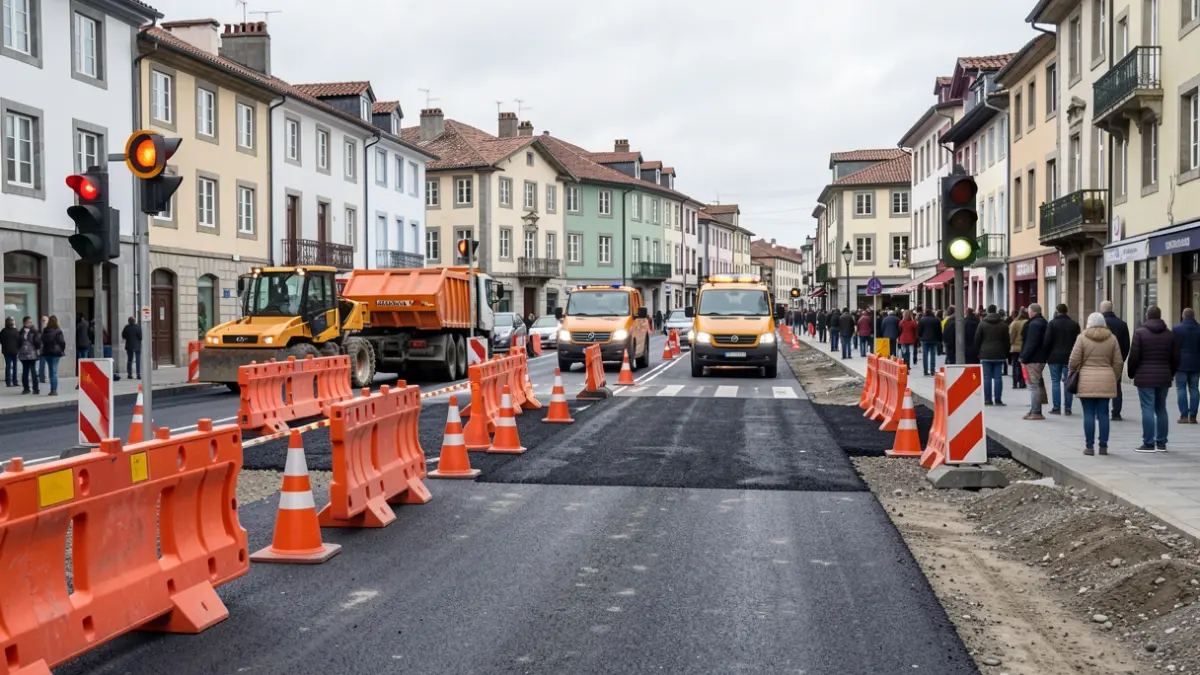
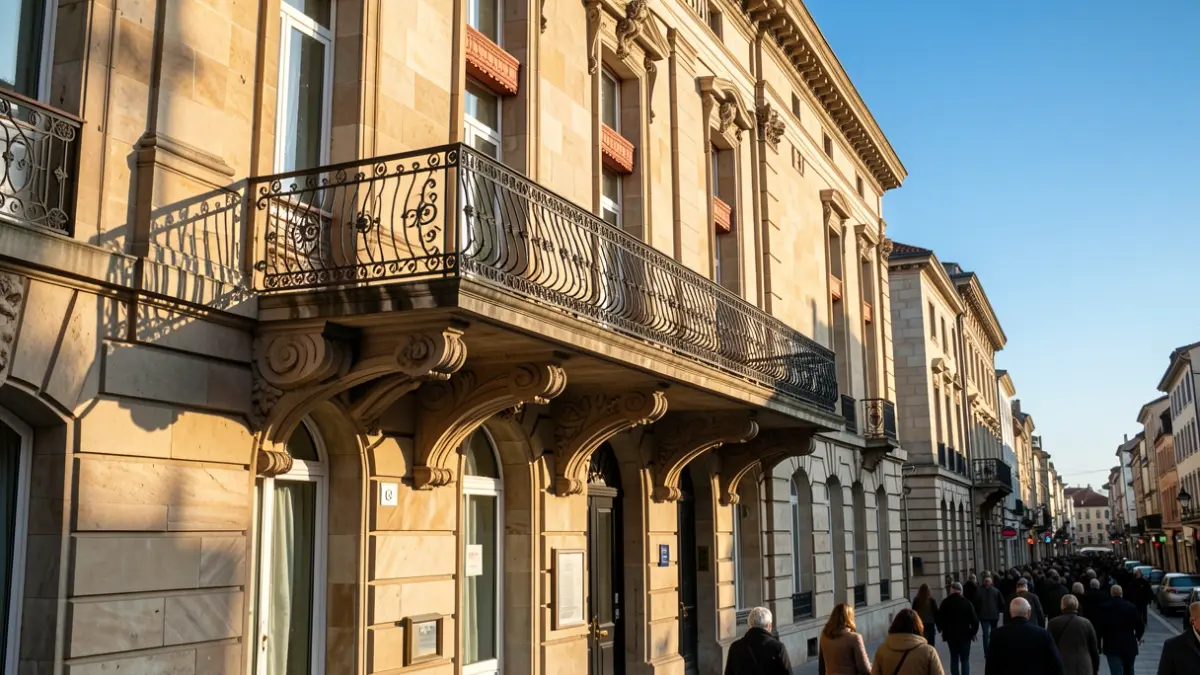
Residents complain that there are streets where families live who cannot endure “80 decibels of noise from six or seven in the evening”. This problem is compounded by the fact that “the city council allows drinking in the street”, which often makes sidewalks impassable and creates human bottlenecks.
This situation creates an added difficulty for universal accessibility which, they denounce, the ordinance does not guarantee. The reference point for a person with low vision is the facade. So, if we also put the business on the facade, then passage becomes difficult.
The neighborhood associations are drafting their objections and proposals, which they will present before May 22. They have “all” their hopes placed on them being accepted because they understand that it is “fair”, “coherent”, and “reasonable”.