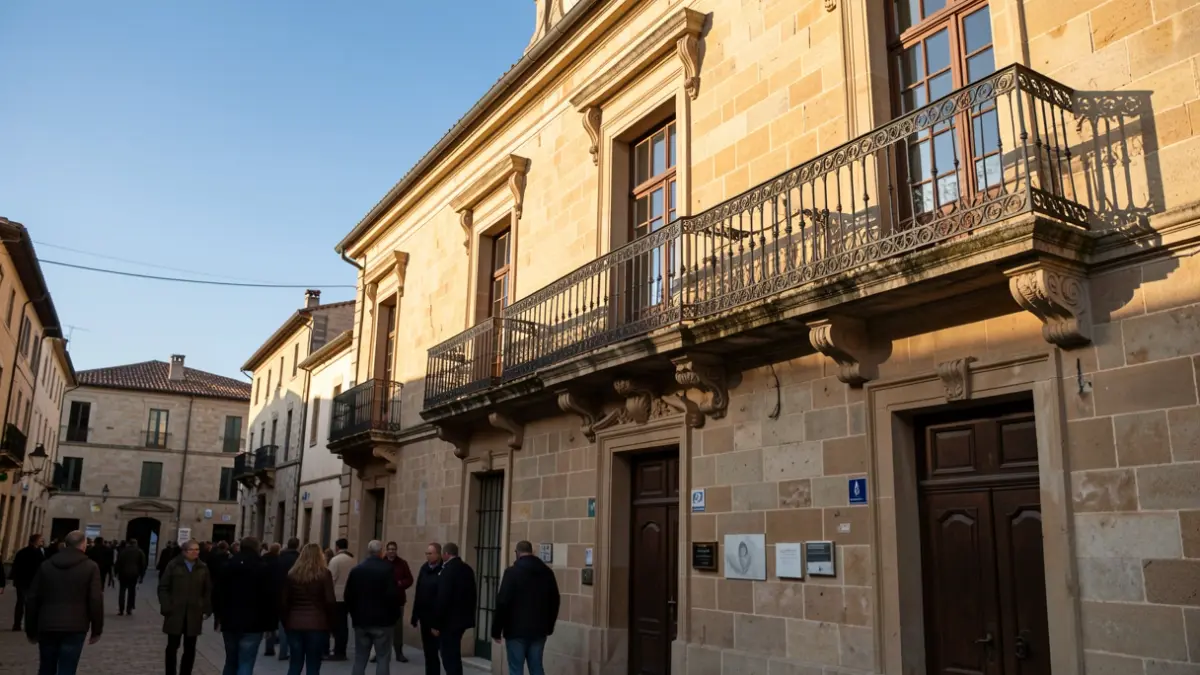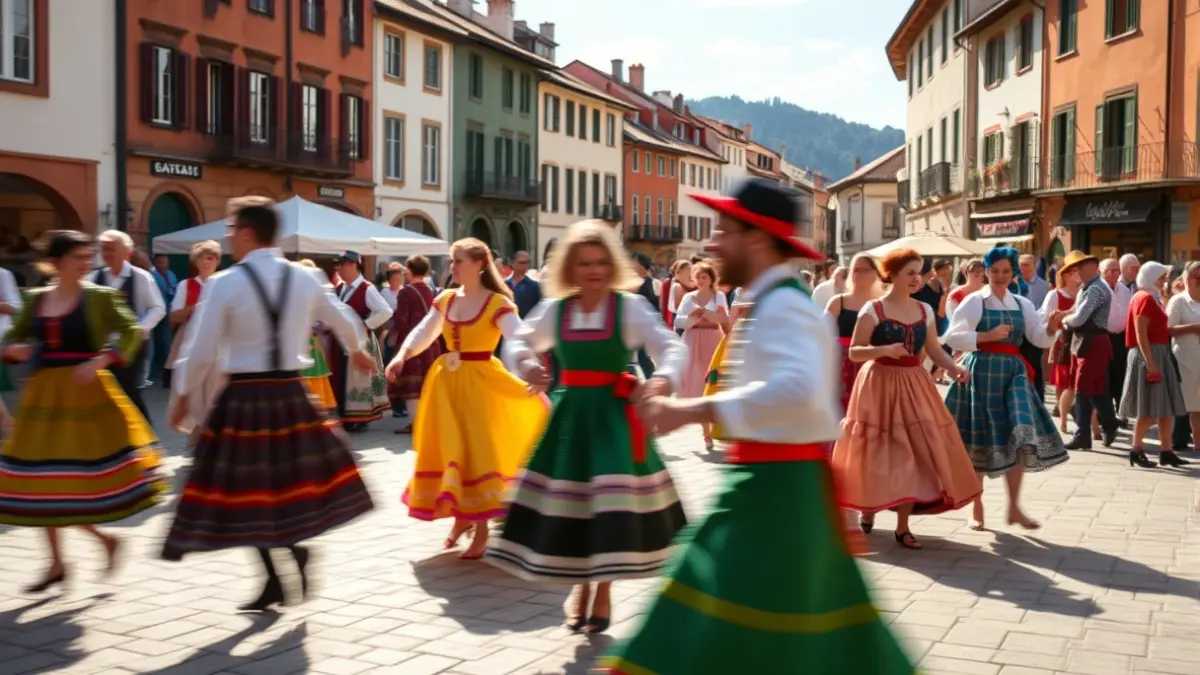
This year, Itxartu Taldea, a group founded in Algorta, commemorates half a century of activity, having expanded its scope to become one of Getxo's most diverse cultural and sports associations. The anniversary is marked by a festive program unfolding this weekend, serving as the launchpad for a calendar of events planned for the coming months.
The celebrations will commence this Friday with popular dances in San Nicolás square from midday. In the afternoon, a highlight will be the performance by a castellers group from Girona, who will parade through Basagoiti before forming human towers at various points in the neighborhood. Around seven o'clock, a large human castle will be erected in the same location, followed by a kalejira (street parade) with trikitilaris through the pedestrian area.
“"It's something different, very visual, which we believe people will really enjoy."
Saturday will feature many participatory events. Dozens of dantzaris, both current and former members, will perform the Ingurutxo de Iribas on Juan Bautista Zabala street (1:00 PM) before moving to San Nicolás, where they will conclude their performance with jotas and arin arin dances.
Subsequently, over 180 people will gather for a community meal, serving as an intergenerational meeting point in the courtyard of Zabala school. The day will culminate with a romería (pilgrimage/folk festival) led by the Luhartz group. On Sunday, Puerto Viejo will host a traditional dance exhibition by the collective from midday.
Beyond the cultural agenda, the entity celebrates five decades with a consolidated structure and an evolution driven by new ideas. Founded to promote Basque folklore, it has evolved into a multidisciplinary group encompassing choir, dance, theater, mountaineering, and sports. Currently, the entity boasts around 380 members with diverse profiles, ranging from four-year-old children in dance to veterans over 80 in the choir.
“"We are peculiar because we cover many areas; it's not common to see something like this in Bizkaia."
The project's growth has been accompanied by a progressive opening to new social profiles, working on the integration of people from other countries. Following this initial festive block, the calendar will continue in June with txistularis, trikitilaris, and albokaris, among other events to be specified later.