
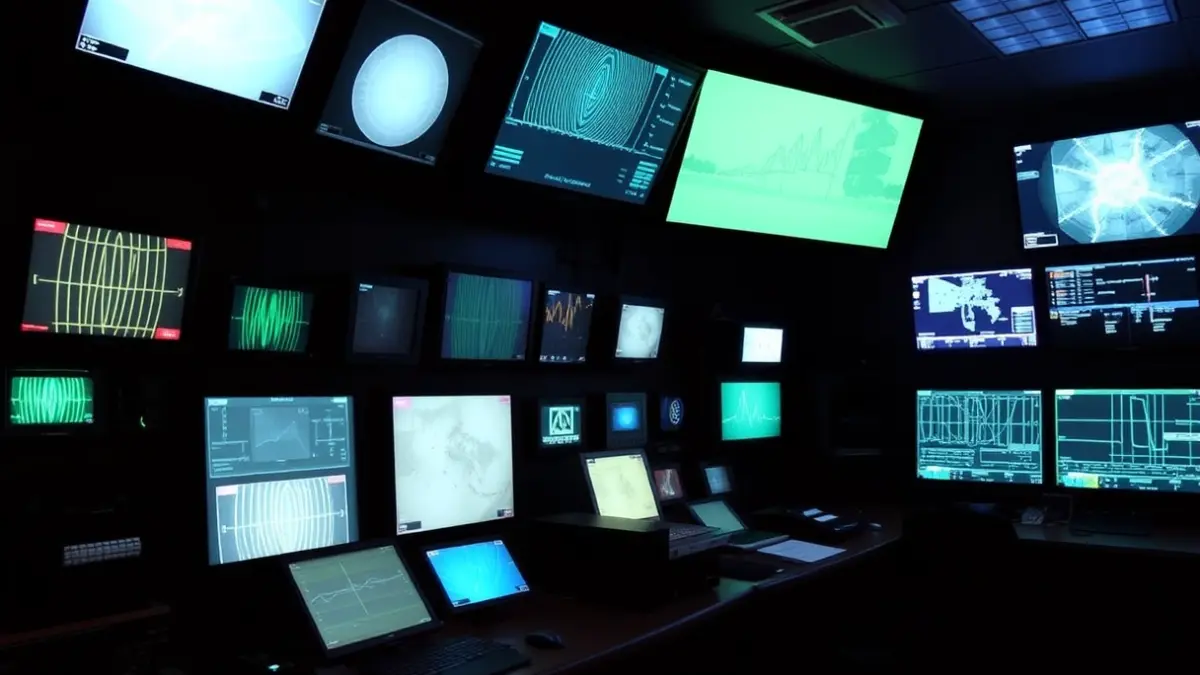
The major blackout was first detected in EITB's electrical monitoring systems, indicating it was more than an isolated failure. Alarms appeared simultaneously across several connections, signaling an exceptional situation.
“"When we saw that all headquarters were experiencing a supply cut, all our alarms went off."
Uninterruptible power supply (UPS) systems absorbed the initial shock, and generators were activated to sustain essential services. This design allowed radio broadcasts to continue and television to reach most of the population. The priority was to ensure the continuity of public service and operational informational capacity.
EITB's radio stations remained on air due to their own infrastructure and the role of Itelazpi, the public company managing the Basque Government's telecommunications infrastructure network. For television, the signal was maintained through 126 broadcast centers, covering approximately 90% of the population. The Gasteiz headquarters, with Radio Vitoria, also withstood the initial outage thanks to its UPS batteries.
Once the functioning of production systems and broadcasting was confirmed, the main concern shifted to how long the generators could last. Bilbao had a supply for 24-48 hours, while Donostia had autonomy for two to three days. Mobile connections became unreliable, prompting EITB to use autonomous vehicles, satellite systems, and proprietary networks to maintain connectivity with information points.
Following this experience, the entity has strengthened its capabilities. One major change has been to increase local diesel fuel reserves, which now allow for autonomy of between one week and ten days. Internal protocols, crisis rooms, and satellite capabilities have also been improved. The new headquarters under construction in Gasteiz will also feature more robust infrastructure with space and capacity for a generator, enhancing resilience in similar future situations.