
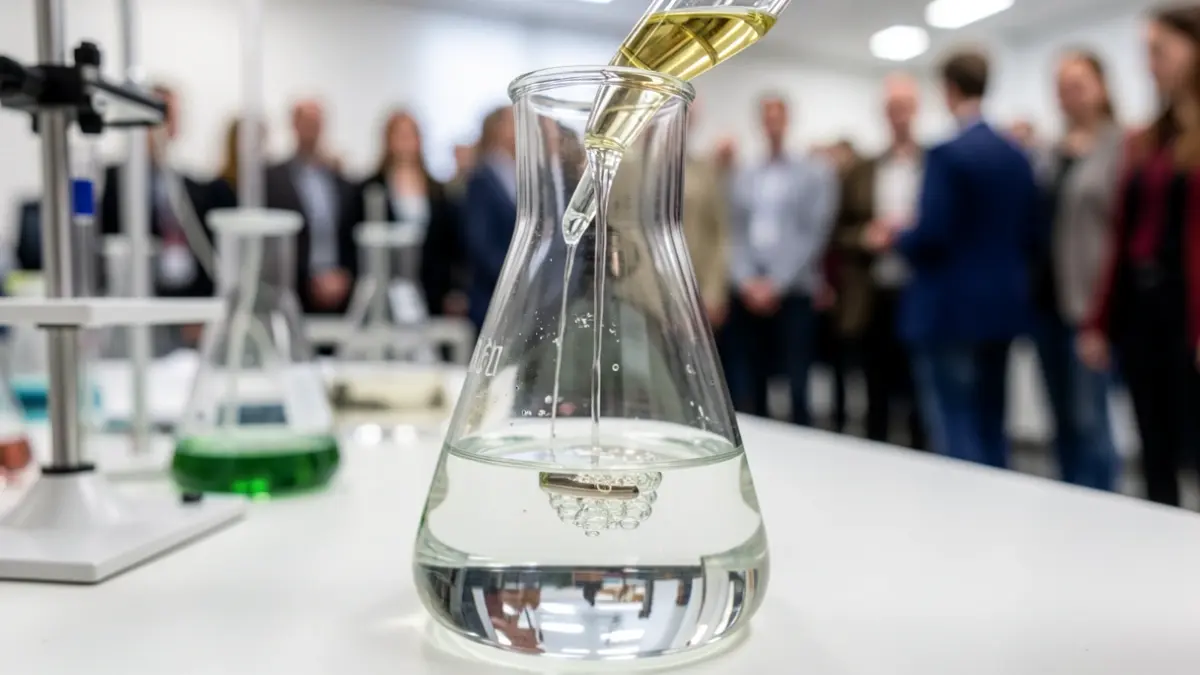
In the realm of sustainable chemistry, ethanol (EtOH) stands out as a valuable, renewable, and inexpensive solvent. Researchers have now identified a novel application for it: the acetylation of significant phenolic compounds using a metallic catalyst.
Phenols are fundamental to the structure of various natural products and pharmaceuticals, including the amino acid tyrosine, estrogens, and the antibiotic amoxicillin. Consequently, developing methodologies to increase the molecular complexity of phenolic derivatives is a key challenge. Recent studies indicate that the presence of acetyl groups is beneficial for creating antibody-drug conjugates, highlighting the need for new and sustainable tools.
While the traditional method, Friedel-Crafts acetylation, is industrially employed, it suffers from low regioselectivity and generates harmful byproducts. The new method, developed by Correa's research group, relies on direct C–H bond activation, utilizing ethanol as the C2 source and circumventing the use of acetyl chloride. Employing a directing group (2-pyridyl ether), the reaction is guided to the ortho-position with high regioselectivity. This approach has enabled the selective transformation of molecules such as peptides containing tyrosine, and hormones like estradiol and estrone.
The novel method is compatible with water and employs tert-butyl hydroperoxide as the oxidant. Optimized reaction conditions have yielded high product yields, demonstrating the potential for transforming complex biomolecules on a large scale. Key advantages include high tolerance to various functional groups and selective functionalization of the ortho-positions of phenolic compounds, particularly valuable in cases where classical methods face difficulties.
The team has also proposed a Pd-catalyzed reaction mechanism, supported by experimental data. This research underscores ethanol's potential as a sustainable chemical resource for synthesizing complex bioactive molecules with practical applications in biological chemistry.