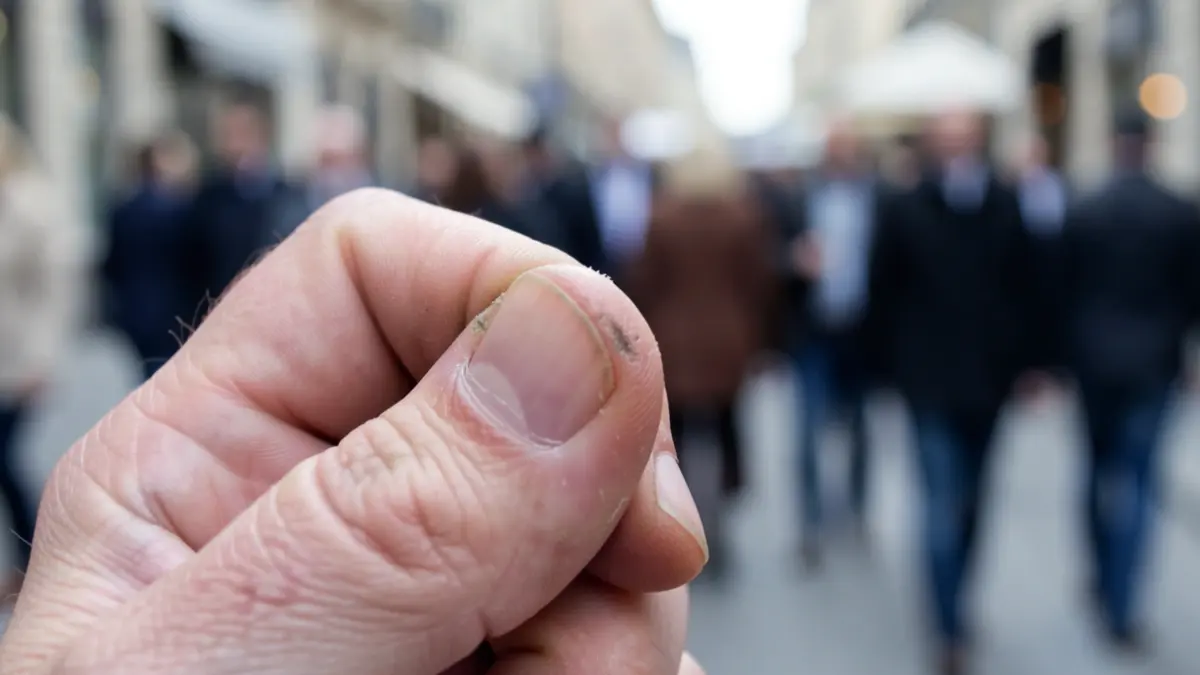
Rhizarthrosis, or thumb osteoarthritis, is a common condition causing hand pain and difficulty with everyday gestures. To understand it, Dr. David Izal, a specialist in Traumatology and Hand Surgery at Quirónsalud Vitoria hospital, first clarifies the difference with arthritis. Osteoarthritis, he explains, is a degenerative process that wears down cartilage, while arthritis is inflammation of the joint. Rhizarthrosis is therefore a type of osteoarthritis affecting the joint at the base of the thumb, near the wrist.
The primary cause of rhizarthrosis is mechanical wear from repetitive use, especially in activities involving forceful, twisting gripping motions. Dr. Izal notes that age is also a factor, with it being more prevalent over 50. Furthermore, hormonal factors play a crucial role, as the condition is much more common in women after menopause due to decreased estrogen, which has a protective effect on joints.
Given these causes, the most frequent profile is women over 50 with repetitive manual jobs, such as hairdressers, cleaning staff, or fishmongers. However, the specialist points out that "we also see patients with more sedentary jobs, like office work, who also suffer from this problem because, as I say, other factors also influence it, including genetics."
The main symptom is localized pain at the base of the thumb, of a mechanical nature, appearing when performing actions like opening a jar, turning a key, or wringing out a cloth. The pain is subjective, but clear warning signs indicate the need for professional help.
“"The time to consult would be if the pain lasts more than a month and does not subside with basic measures"
According to Dr. Izal, one should consult a specialist if discomfort persists. "The time to consult would be if the pain lasts more than a month and does not subside with basic measures, such as a bit of common sense, like resting a little, using a topical anti-inflammatory ointment," he states. It is also a warning sign when pain limits basic daily activities or appears even at rest or during the night.
Diagnosing rhizarthrosis is usually straightforward. The specialist explains that "a simple examination of the hand, in many cases, will provide a very clear suspected diagnosis." To confirm it and assess the degree of wear, an X-ray is performed, a simple and accessible test. Only in doubtful cases are other tests like an MRI used.
Once diagnosed, it's important to know that while the wear cannot be reversed, symptoms can be alleviated. In fact, approximately 70% of patients can be managed with conservative measures. These include modifying activities that overload the thumb, using splints to stabilize the joint, and physiotherapy to strengthen the muscles.
Within conservative treatment, painkillers or anti-inflammatories can also be prescribed for pain flare-ups. In more severe cases, "infiltrations can also be used, either with corticosteroids, which are anti-inflammatories and the most commonly used, or with hyaluronic acid and biological therapies such as platelet-rich plasma (PRP)," the traumatologist details.
“"The results are usually very good, especially regarding pain reduction"
For the 30% of patients for whom conservative treatment is insufficient, surgery is the best option. There are two main types of intervention: prosthetic surgery, which replaces the joint with a prosthesis, and trapeziectomy, which involves removing the damaged bone (trapezium) and replacing it with a patient's own tendon.
Surgery offers excellent results for alleviating discomfort. "The results are usually very good, especially regarding pain reduction, and good thumb mobility is also maintained," assures Dr. Izal. Strength for daily activities is recovered, though not as much for heavy work. Recovery time varies between 3 and 6 months, depending on the type of surgery performed.