The prolonged lack of rainfall and high temperatures recorded during the summer have limited vegetation development, causing it to dry out and delaying pasture recovery in autumn. Added to these conditions is the increase in tropical nights, the number of which in Euskadi has doubled compared to four years ago and which, due to the heat, make it difficult for plants to capture dew, an additional source of moisture.
According to estimates made by NEIKER using simulation models, the impact of these dry and hot summers affects annual pasture production with a reduction of between 25 and 40% compared to an average year. This lower availability of grass is leading livestock farms to use winter fodder reserves earlier than planned, resulting in a shortage of forage.
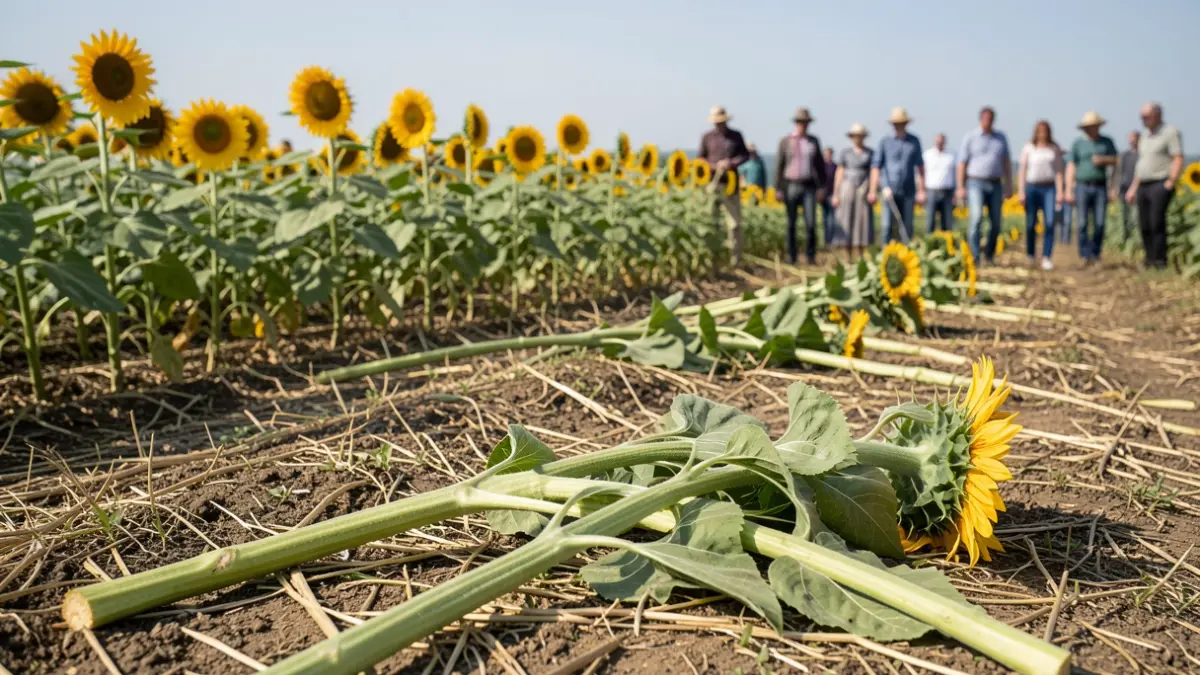
To study other animal feeding options in this situation, NEIKER is analyzing in Álava the potential of silaged sunflower as an additional crop to increase the supply of quality forage. The trial, developed in collaboration with the cooperative group GARLAN, will evaluate the fermentation quality, the nutritional value of the obtained material, and its production costs.
“"Silaging allows for the preservation of plant material through a fermentation process for later use in animal feed. This way, the crop can be stored and used as forage when needed"
The initiative arose precisely from the situation experienced this summer, prompting NEIKER to consider what crop options might be available to produce forage in Euskadi in a context of climate emergency. On one hand, the sowing of short-cycle forage crops to be planted after cereal harvest and collected in autumn was considered, such as some ryegrasses, Sudan grass, etc. But the utilization of already established crops was also considered. Sunflower was one of these options identified due to the area it is cultivated in Álava.
In our region, this crop is mainly used for oil production for human consumption and biodiesel manufacturing, although it can also be used as forage. Compared to corn, it has a higher protein content and a lower proportion of fiber, notes the Director of Territorial Impact. The trial will allow for the analysis of the nutritional characteristics of sunflower once silaged and to understand its potential contribution to livestock feeding.
To conduct the study, NEIKER identified a sunflower plot under appropriate conditions in Álava and, in collaboration with Garlan, the forage was harvested and the silos were prepared in early October. These will need to complete at least one month of fermentation before analysis, with the first results expected by the end of the year.
In addition to the trial results, to assess the use of sunflower as a forage resource, it will be necessary to know the yield and production costs of specific varieties for this purpose. In Álava, sunflower is mainly cultivated for industrial oil and biofuel production, so evaluating specific forage varieties will expand knowledge about its utilization in livestock feeding.
The existing experience in sunflower cultivation and the availability of appropriate machinery, already used for ensiling corn, such as choppers and transport trailers, could facilitate its use as forage, concludes Ruiz.