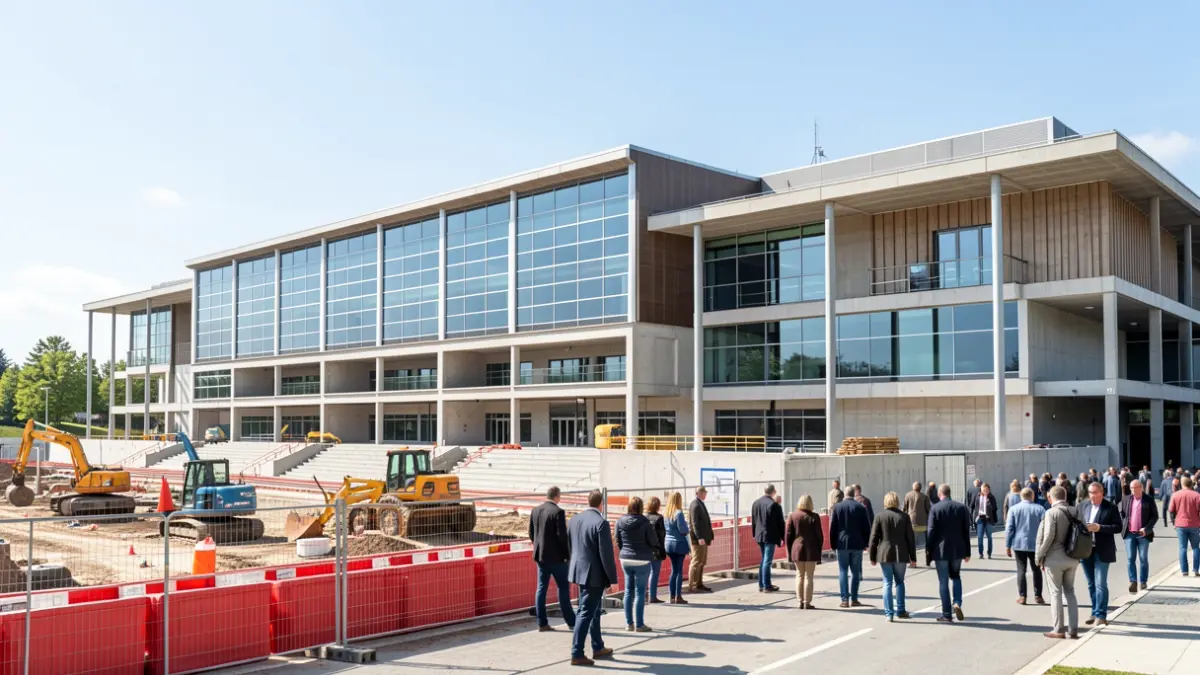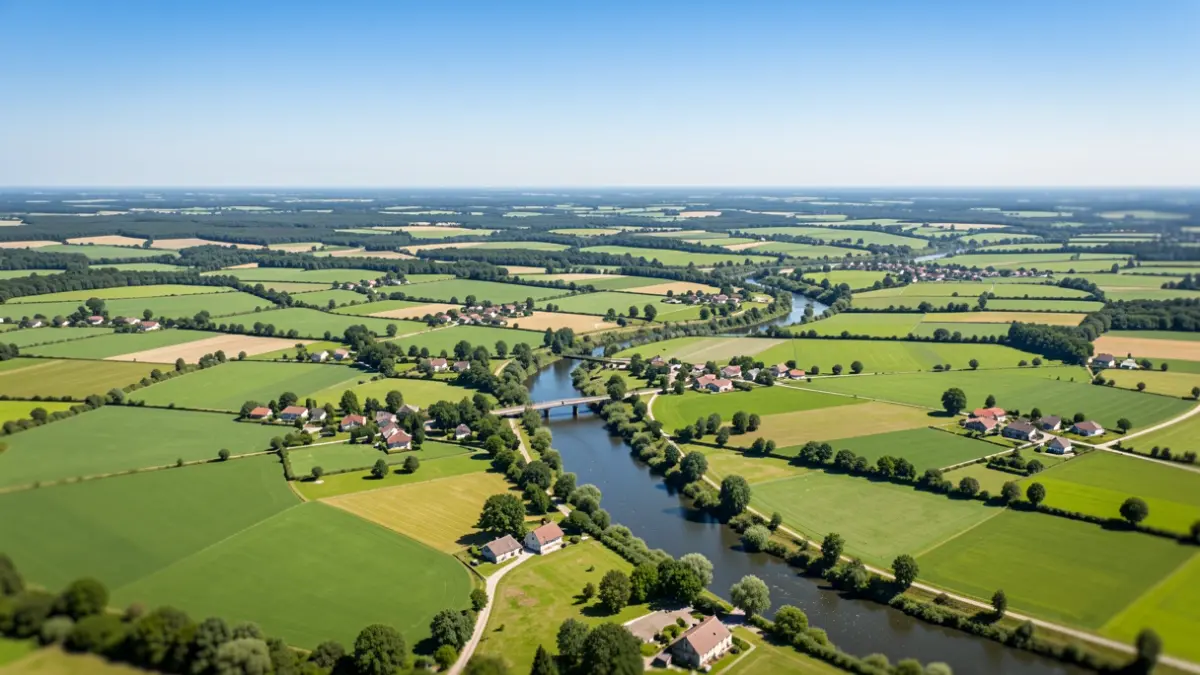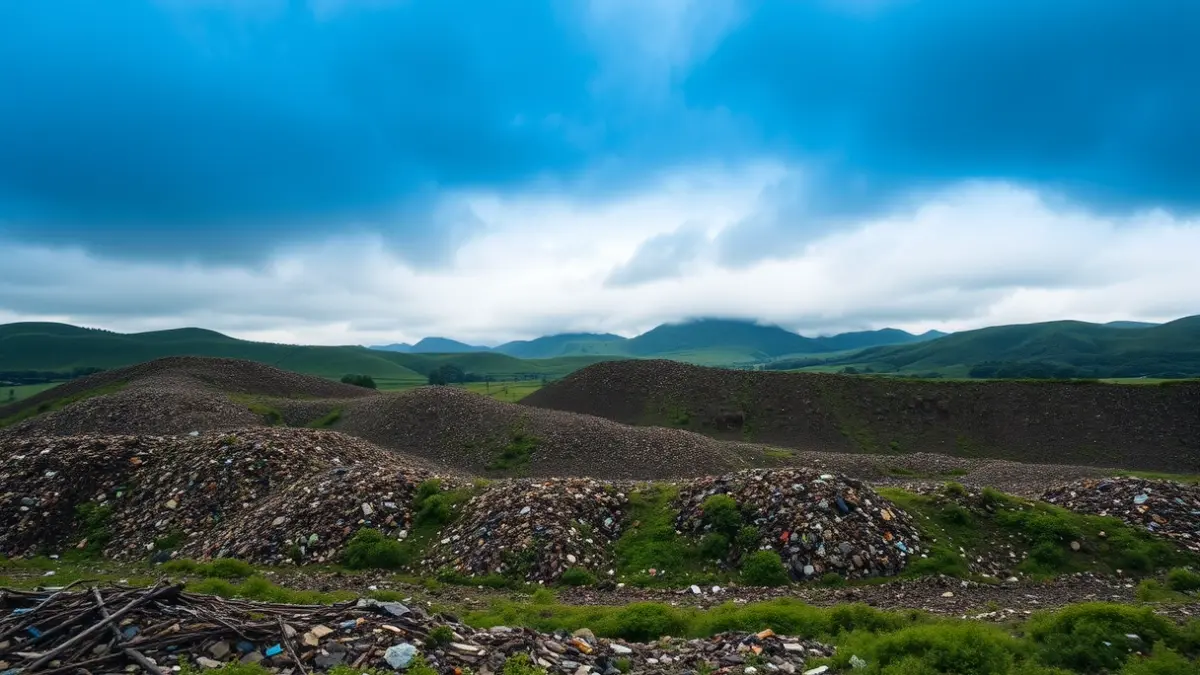
The decontamination of the Artxanda landfill, which has been closed since 1976, has encountered a new obstacle. After these land cleaning efforts began last year, the Basque Government and Bilbao City Council “have determined the temporary cessation of work” at this site. The reason is to “guarantee safety in the remediation process,” which includes the executing company having the “supervision of an accredited environmental company.”
However, Berriz Recycling, the company responsible for the decontamination processes, has decided to terminate its contract with the environmental control firm. Faced with this situation, both institutions have opted to halt all work “until a new environmental company is contracted” to ensure that all requirements for carrying out the work are met. To ensure compliance with all current environmental legislation, the Basque Government and the Bilbao City Council are awaiting information on which company will take charge of this oversight.
Furthermore, municipal sources confirmed that “they have been required to submit additional documentation regarding modifications made during the course of the work”; that is, the inclusion of “technical adjustments inherent to the development” of these executions. The decision to temporarily stop, until a specific and accredited environmental control company is again in place, is aimed at ensuring that the entire landfill cleaning process “continues to be carried out properly and, at all times, guaranteeing its safety.”
Cleaning work on these lands had already started in 2024, and environmental supervision has been one of the hallmarks of the project's execution from the outset. However, this project has been under scrutiny since its inception. Municipal sources stated that “it is a landfill from the dictatorship era when environmental requirements had nothing to do with the requirements that would be demanded today in a landfill of those characteristics.” The project would be carried out with the support of the municipalities of Sondika and Erandio, which are involved as they have part of their territory in Artxanda. Specifically, Bilbao accounts for 78.6% of the land, Sondika for 14.99%, and Erandio for the remaining 6.41%.
The intervention was necessary, especially after the risk of collapse detected in 2023, which forced the design of an action plan to seal the surface and ensure the monitoring and maintenance of the area for the next 30 years. Therefore, the plan was launched last year after Berriz Recycling was awarded the management of the new deposit and the decontamination of the old landfill. The instability of the terrain meant that the work had to be carried out with special care because “if a heavy machine was placed on top, the weight would increase,” implying a risk of collapse. For this reason, it was decided to carry out the work more slowly, as “Berriz Recycling has proposed a modification of the project to the Basque Government to do it from below instead of from above because it is safer.”
The stability of the terrain was being monitored by inclinometers – devices used in topography to measure surface inclination – and in November 2025, the decision was made to “remove weight” from the upper part of the landfill. At that time, it was indicated that this measure had helped the slope to remain stable and not move.
The situation of the Artxanda landfill has been questioned by municipal groups. While the Popular Party submitted two questions to the relevant department (one in 2025 and another in 2026), these focused on land ownership. In contrast, Elkarrekin Bilbao questioned the actual situation of the land and its environmental impact. In November last year, the spokesperson for the purple party inquired about the slope's stability, and the City Council responded that, based on the data they had at the end of last year, “the responsible technicians do not report an imminent threat or manifest risk of landslide, collapse, or displacement” of the slope.
In the same question raised to the municipal corporation, Elkarrekin Bilbao inquired about environmental measurements and potential impacts on public health. The Department of Urban Planning, Strategic Projects, and Public Space affirmed that there was no risk and that among the pollutants, almost “16 tons of lindane had been removed from the surface.”