A survivor of the Gernika bombing, nearly 99 years old, has shared his experiences. His testimony, a reflection of a life marked by war, illness, and exile, keeps the memory of this historic event alive. In his own words, “everything I tell is true,” which underscores the veracity of his recollections.
He was born in Gernika on July 13, 1927, at 33 San Juan Street. He was the youngest of eight siblings, and today he is the only one still alive. His childhood was harsh, even before the war. In 1935, typhus ravaged his family, claiming the lives of two of his older brothers, aged 18 and 20. One of them, Luis, was a footballer for Athletic Club in youth categories.
The coup d'état by Spanish generals and the subsequent war led one of his brothers to enlist as a militiaman to fight against fascism, fighting on the Orduña front and also on the Ebro front, in the historic battle of Belchite. His father, Luis Diego, of socialist ideology, also suffered repression after the war. He was arrested by the Civil Guard and sentenced to six years in prison at the Escolapios in Bilbao.
“"When the bombs exploded, the expansive wave lifted us off the ground. People screaming. It was Dantean, it was Dantean."
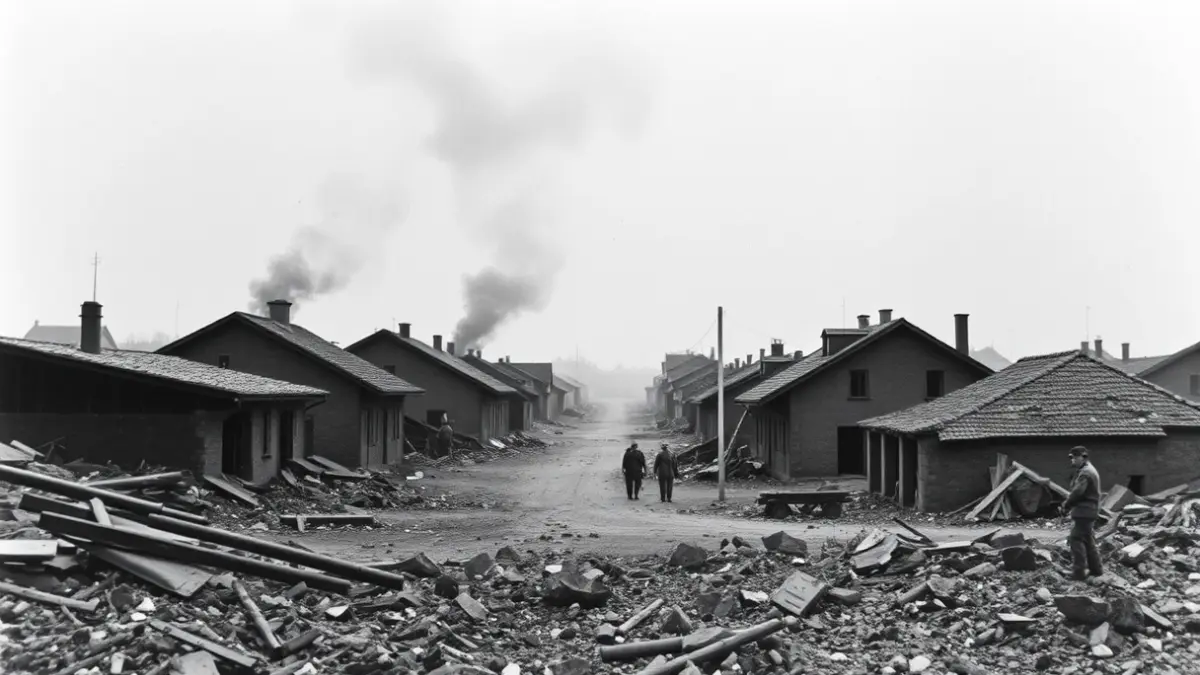
On April 26, 1937, when the Nazis and Italians bombed Gernika, he was nine years and ten months old. When the bombing began, he took refuge in the Conde Arana house with his mother and sister. The attack lasted more than three hours, leaving the city completely devastated. His home disappeared, and the family embarked on a long journey on foot to Zamudio, then to Cantabria, France, and finally Catalonia.
After the war, they returned to Euskadi and settled in Elgoibar. His parents, who had owned a carpentry shop and an ice cream parlor in Gernika, worked as rag pickers and scrap dealers. This survivor found personal reconstruction through music, playing in the Elgoibar Band for over 50 years.