Understanding the species inhabiting the seabed and how their environment changes is crucial for marine protection and planning. To address this challenge, the technology center AZTI has developed an autonomous observation system and marine fauna identification tools within the ItsasLANDER project, supported by the Gipuzkoa Provincial Council.
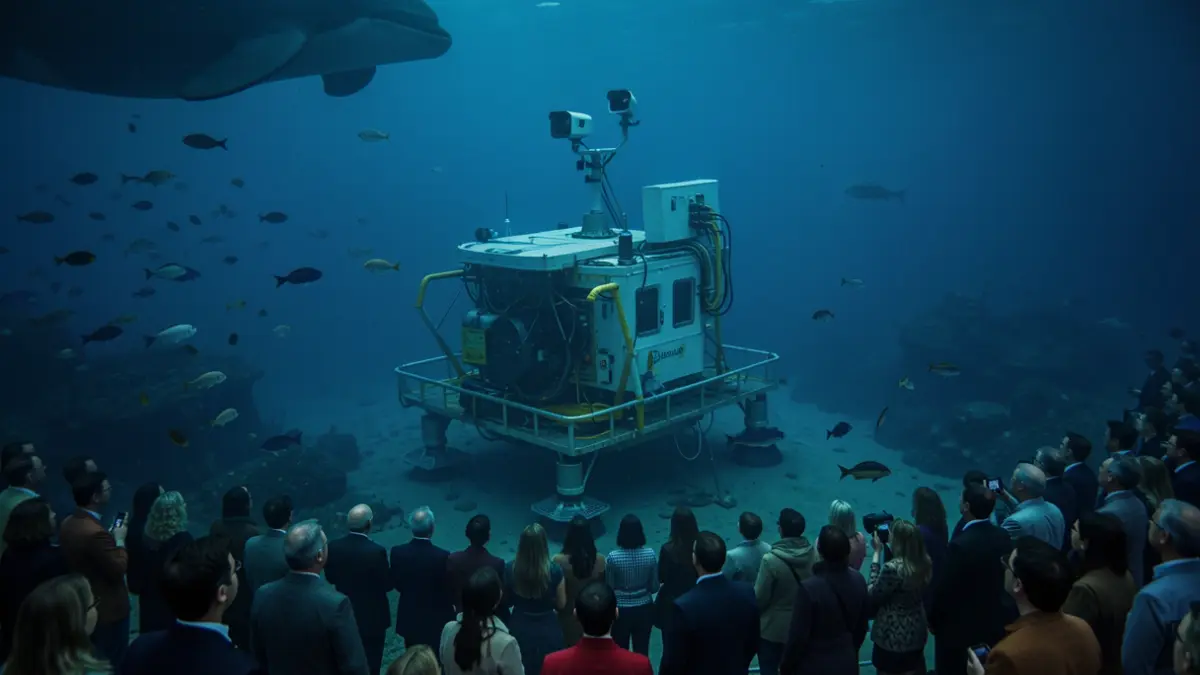
The project utilized a structure called a lander, installed on the seabed, which collects environmental information via cameras and other sensors. A total of 48 one-hour videos were recorded across 24 sampling stations to gather data on marine fauna and the environment.
Images from these recordings were used to train an artificial intelligence model capable of automatically detecting and classifying animals, thereby streamlining the analysis of large data volumes. A tool for marine fauna identification has also been developed.
Furthermore, a model was developed to automatically identify cetaceans through their sounds. Labeled recordings from nine species were used, and the ability to recognize dolphin family sounds was enhanced.
The results from ItsasLANDER offer new possibilities for studying marine ecosystems. Monitoring biodiversity in protected areas, evaluating habitat restoration projects, and observing fauna around marine infrastructure are some of the potential applications of this technology.