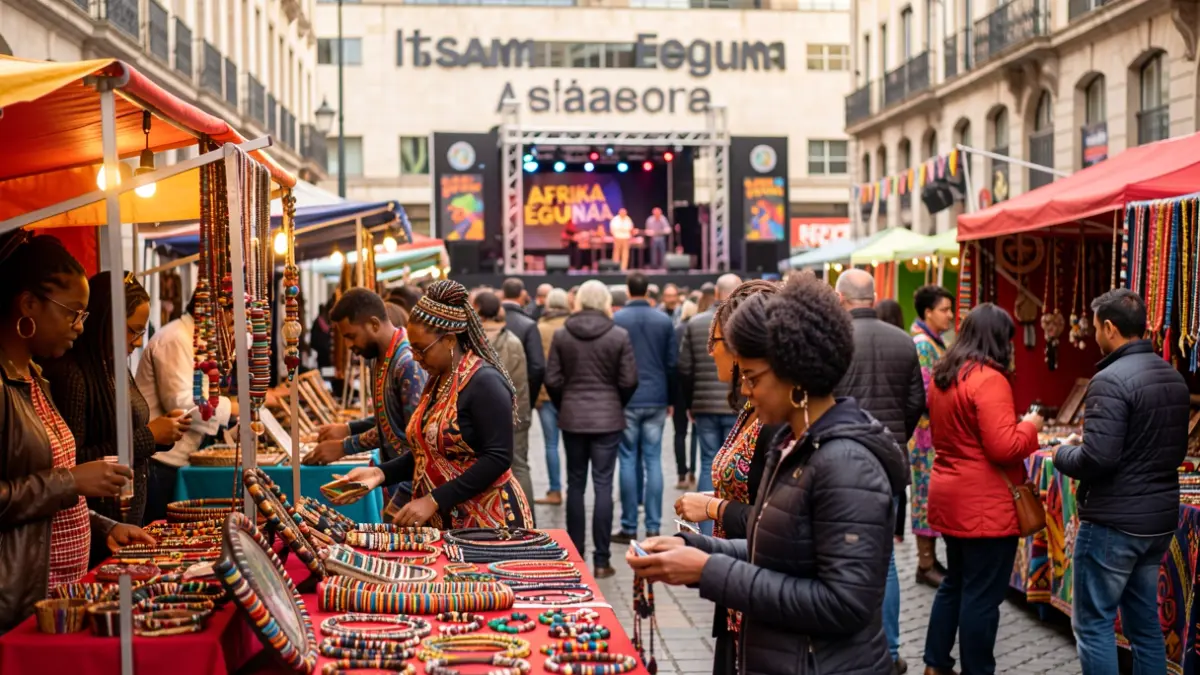
The sound of talking drums and a libation ritual led by Paco Buika marked the start of the final day of Afrika Eguna at Bilbao's Itsasmuseum. The event, as every year, served as a meeting point for the African and Afro-descendant community, as well as for those interested in learning about their reality.
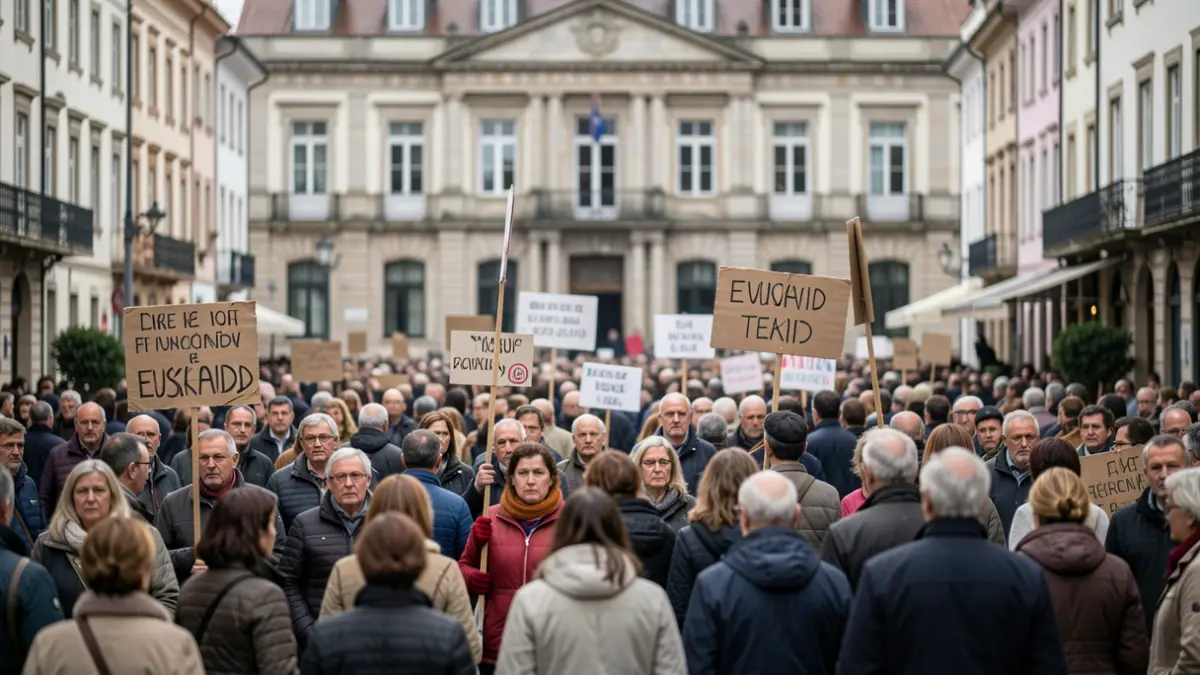
Following the opening ceremony, a manifesto was read, warning of an international context 'marked by the rollback of rights, the rise of racism, and the hardening of migratory policies.' In response, the event reiterated its call for the community's contribution and rejected discourses that criminalize migration. 'We are Afro-Basques. We are part of this society. And we are proud,' the text stated.
“"Euskadi can no longer be understood without the contribution of people of African origin who live among us"
The audience included families, the curious, institutional representatives, and members of a diaspora that finds in this day a space to share experiences and strengthen bonds. Iñigo Zubizarreta, Bilbao City Council's Councilor for Human Rights, Coexistence, Cooperation, and Interculturality, stated that the city is 'a city that is built with every arrival.' For his part, Xabier Legarreta, Vice-Minister of Youth and Demographic Challenge of the Basque Government, affirmed that 'Euskadi can no longer be understood without the contribution of people of African origin who live among us.' The event also saw the presence of Natxo Rodríguez, Director of Social Cohesion for the Provincial Council of Bizkaia.
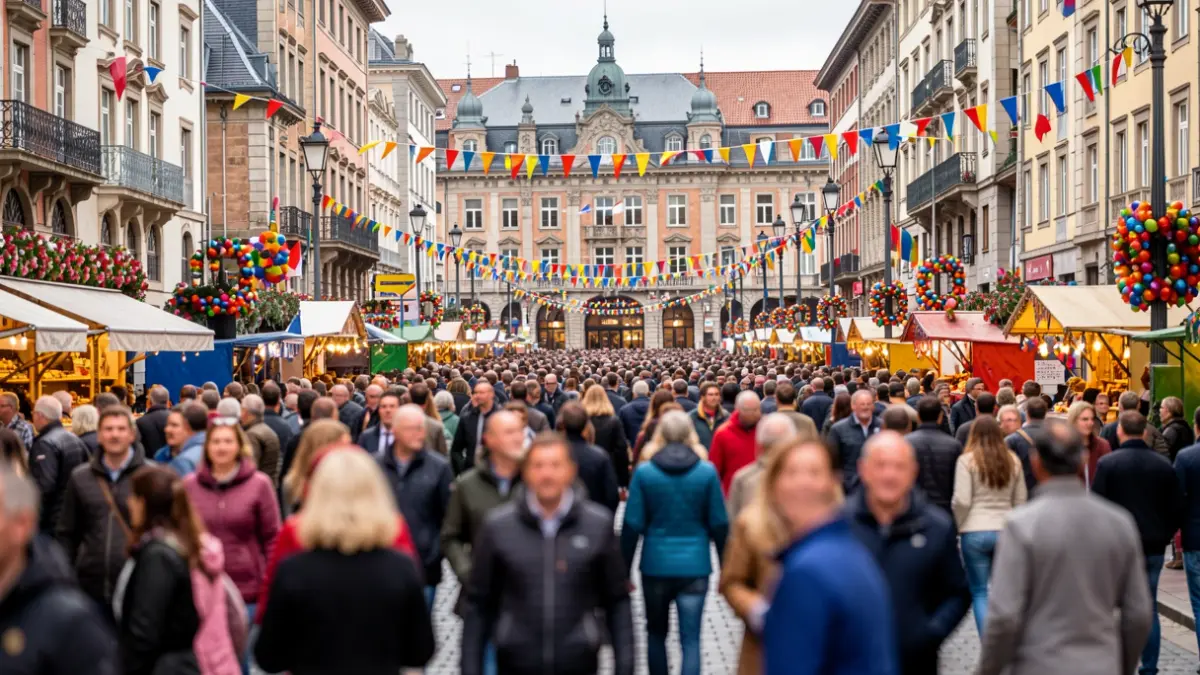
A few meters from the stage, the artisan market was a hub of activity. Visitors stopped at the stalls to admire jewelry, inquire about the projects behind each initiative, or simply chat. Idoia Campillo and Olga Malix showcased their handmade creations, while nearby, Francis Quayson, Edivanio Costa, Lander Jauregi, and Ismail Keita explained the work of Armiarte, a Bilbao-based organization from the Rekalde neighborhood that champions art as a tool for social transformation.
“"Ethiopian crosses are what are selling the most"
Some participants also arrived from Africa. Among them was artist Besakko Bia, from the island of Bioko in Equatorial Guinea. Accompanied by his friend, lawyer José Manuel Dioso Bisobe, he highlighted the strength of the African community settled in the city. 'I come to Bilbao often, and I am proud to see the rich and solid diaspora here,' he stated. The artist also emphasized the cultural diversity of the African continent. 'Even within Africa, there are countless customs and languages,' he explained, noting that he himself speaks Bubishi and Pidgin, in addition to Spanish.
Reflection also had its space during the day. Under the title 'African Women in Politics,' the first panel discussion brought together Najat Driouech, a social worker, philologist, and professor; Nogay Ndiaye, an Afro-feminist activist and professor; and Basha Changue, an activist and political scientist, moderated by promoter Lidia Kinson.
In the afternoon, the debate 'Racism, Discrimination, and Exclusion in the Educational System' took place, facilitated by feminist and anti-racist activist Jeanne Rolande. Participants included Hajar Samidi, a psychologist and social educator; Angela Nzambi, a writer and activist; and Moufdi Kamel, a professor and technician at Biltzen.
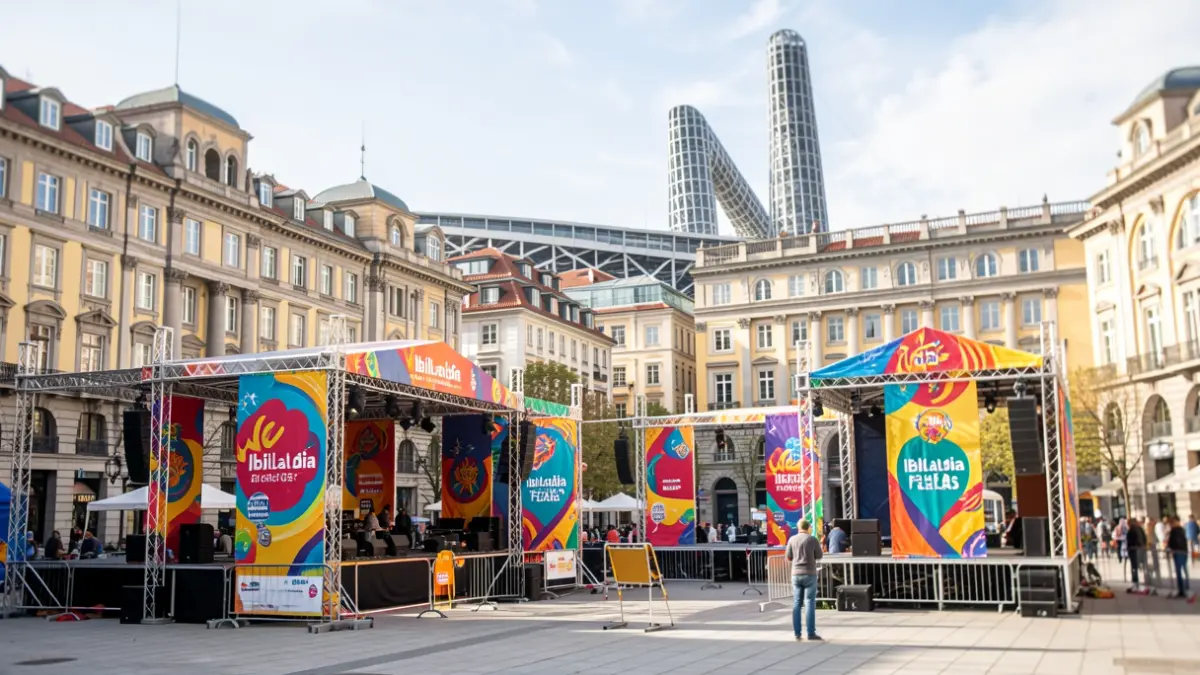
The program concluded with workshops on braids, African turbans, henna, ceramics, and badges, in addition to the Kiddi Gune children's area and a popular meal. Music filled the afternoon with performances by Maguaré, Dry River, African Vives Dance, Dar Dmana, Dana Capricho, and Crazy Boy. DJ Slim was responsible for closing a day that once again brings a whole community together in Bilbao.