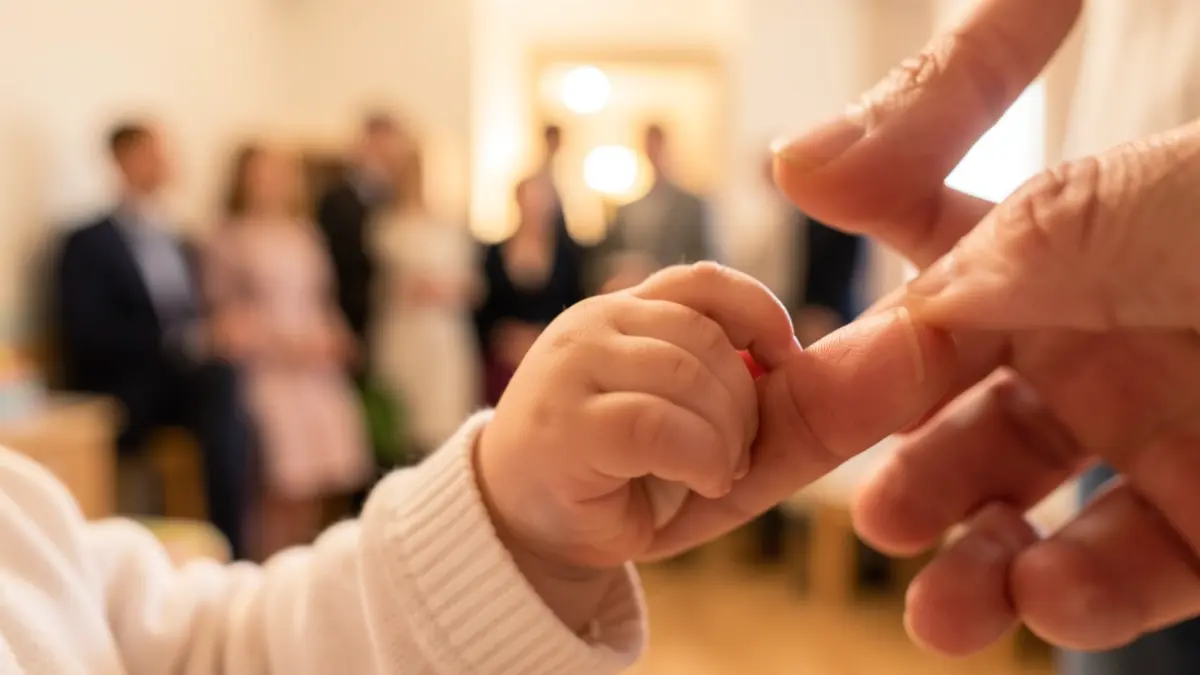
The scene is familiar to many families: a baby cries when a primary caregiver leaves the room, clings to parents, or protests when left with someone else. While this can cause concern, specialists emphasize that separation anxiety is a normal developmental phase, affecting approximately 50-60% of infants according to the Spanish Association of Pediatrics (AEP). Far from indicating a problem, this reaction shows the child is developing secure attachment and progressing in emotional and cognitive maturity.
Separation anxiety typically manifests between six and twelve months of age, coinciding with a time when the baby has formed a strong attachment with their primary figures but does not yet understand that they continue to exist when out of sight. During this stage, children may become more demanding, cry more easily, or require more physical contact. Difficulties with goodbyes, rejection of other caregivers, or more frequent night awakenings can also occur. Experts stress that these behaviors are part of normal development.
Separation anxiety is linked to object permanence, the cognitive ability to understand that people and objects continue to exist even when not visible. While this skill develops, parental absence can cause insecurity and fear. Therefore, specialists remind us that crying or protesting are normal responses. Indeed, having a strong attachment is positive for emotional development, providing a secure base from which the child can gain autonomy.
The intensity of this phase varies among children and can be influenced by external factors. Changes in daily routine, starting daycare, moving house, or the introduction of new caregivers can temporarily intensify anxiety. Pediatricians and child psychologists recommend maintaining stable routines, as they help babies anticipate events and provide security. Goodbyes should be brief, calm, and affectionate.
Specialists advise gradual separations, starting with short absences and slowly increasing them to facilitate adaptation. It can also be helpful to use a comfort object, such as a blanket or a stuffed animal, that provides emotional security in the parents' absence. Maintaining a calm attitude and conveying confidence also helps the child interpret the separation as temporary and safe.
Although it is a normal phase, it is advisable to consult a pediatrician or child health specialist if the separation fear is extremely intense, persists beyond three or four years of age, prevents the child from attending school or interacting with others, is accompanied by frequent physical symptoms like vomiting or abdominal pain, or causes significant distress in family life. In most cases, however, separation anxiety gradually disappears.
For many families, this period can be exhausting and raise doubts. However, experts agree that separation anxiety is part of emotional growth and does not require alarm, but rather patience, support, and daily consistency. Over time, and thanks to a secure and predictable environment, most children naturally overcome this phase and continue to advance towards greater independence.