Agenda Nagusia, the participatory programme promoted by the Department of Welfare, Youth and Demographic Challenge of the Basque Government, is celebrating its tenth anniversary. Under the slogan 'Places that unite. Keys to strengthening community life from social infrastructures', the tenth edition has focused on how squares, libraries, parks and local shops can be key tools for coexistence and the prevention of isolation.
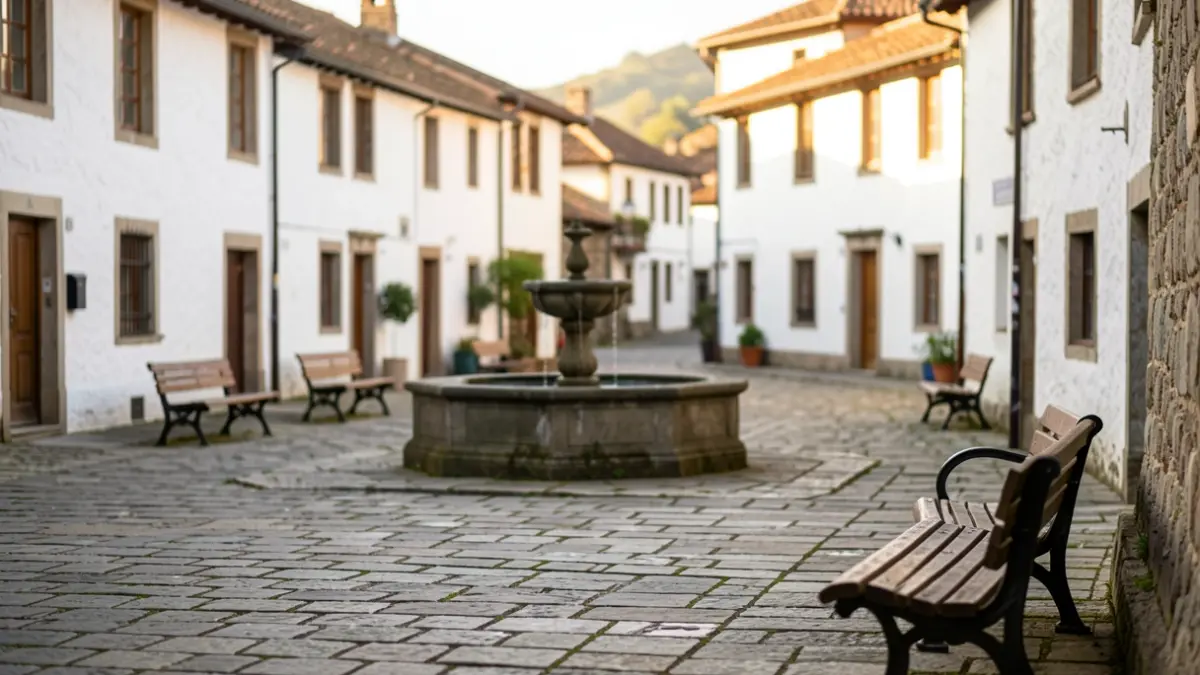
The report's conclusions warn that the mere existence of facilities does not guarantee a cohesive community. It is necessary to create the conditions for people to meet and establish bonds. The importance of designing accessible, safe spaces with elements that encourage staying, such as benches, shaded areas and adequate lighting, is highlighted.
The event was inaugurated by Counsellor Nerea Melgosa, who, together with experts and community agents, analysed how social infrastructures condition relationships. Among the experiences highlighted is that of Zumarraga (Goierri), where the premises of an association for older people are used as a children's space on weekends, facilitating intergenerational encounters.
The final conclusions urge the strengthening of community bonds to be incorporated as a cross-cutting objective in urban planning, housing, mobility, education, culture and social services policies. Furthermore, it is proposed to review evaluation systems to measure not only participation, but also the impact on mutual support networks and the inclusion of people who remain on the margins.