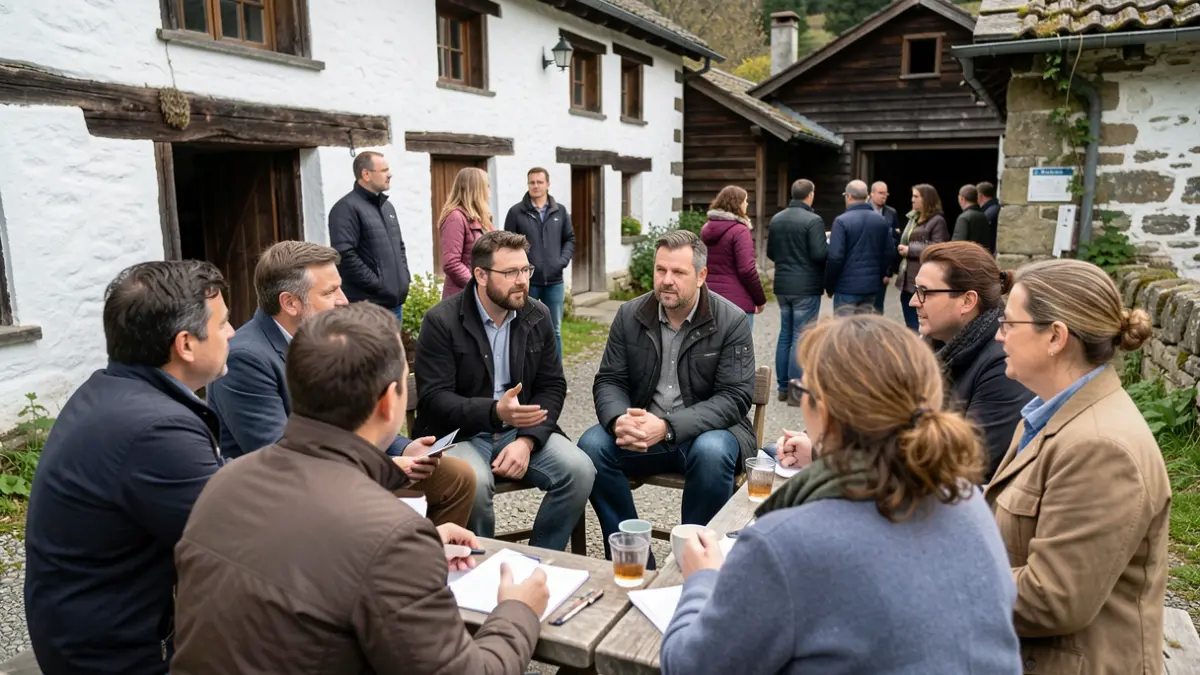
The ecologist association Biolur has organized a training session for June 14th at the Amillubi project in Zestoa (Gipuzkoa). The session will promote reflection on white privilege, led by Nontokozo Sabic, a South African activist who experienced Apartheid. Sabic works for climate and social justice, community life, and North-South reconciliation.
The organizers have emphasized the importance of bringing this dialogue to movements and projects working in defense of the land, to "collectively reflect on the responsibilities that intersect our struggles".
We consider it particularly important to bring this dialogue closer to the movements and projects working in defense of the land, to collectively reflect on the responsibilities that intersect our struggles.
The event will begin at 9:00 AM at Amillubi with community work, addressing the project's needs. Afterwards, at 11:30 AM, following coffee and a break, the discussion will commence. Projects such as Ubuntu Co-create, Meloia Zuritzen, and Amillubi will share their experiences, analyzing the challenges they face regarding white privilege.
Nontokozo Sabic, a participant in the Ubuntu Co-create project, is originally from South Africa and currently lives in Europe. She works with social movements worldwide, developing strategies to dismantle systems of oppression and supporting decolonization processes. This academic year, she has offered several sessions in Gipuzkoa for both white and racialized individuals.
Members of the Amillubi project invite the public to participate in "this space for listening, exchange, and shared learning".