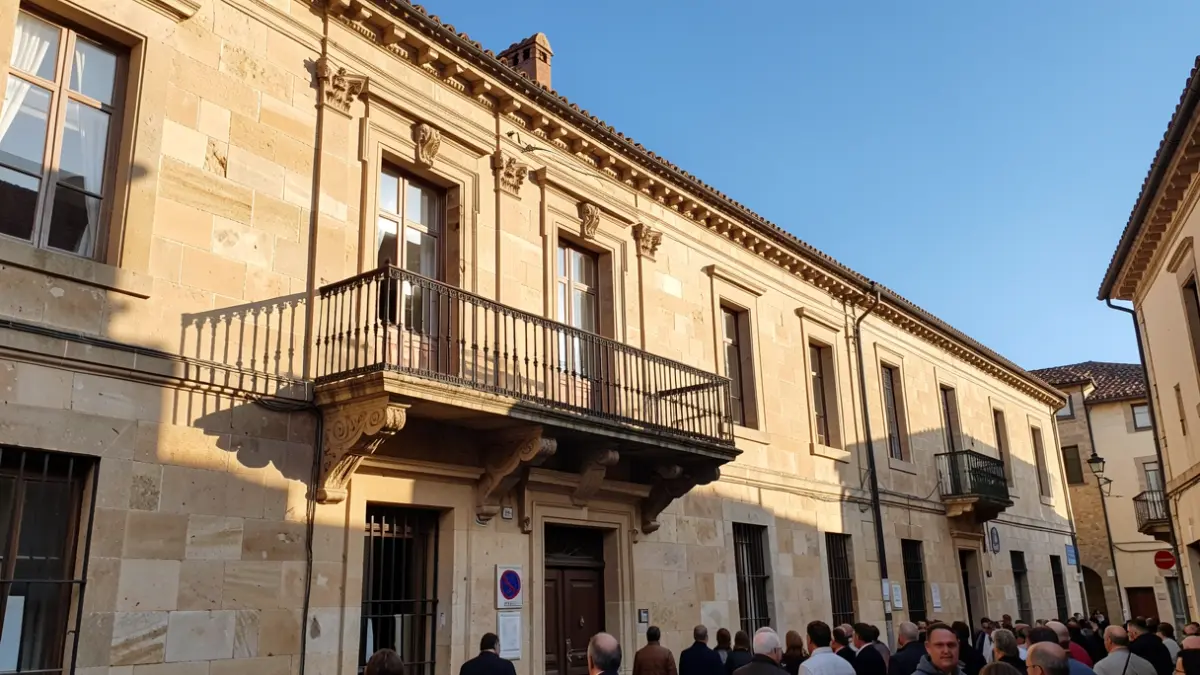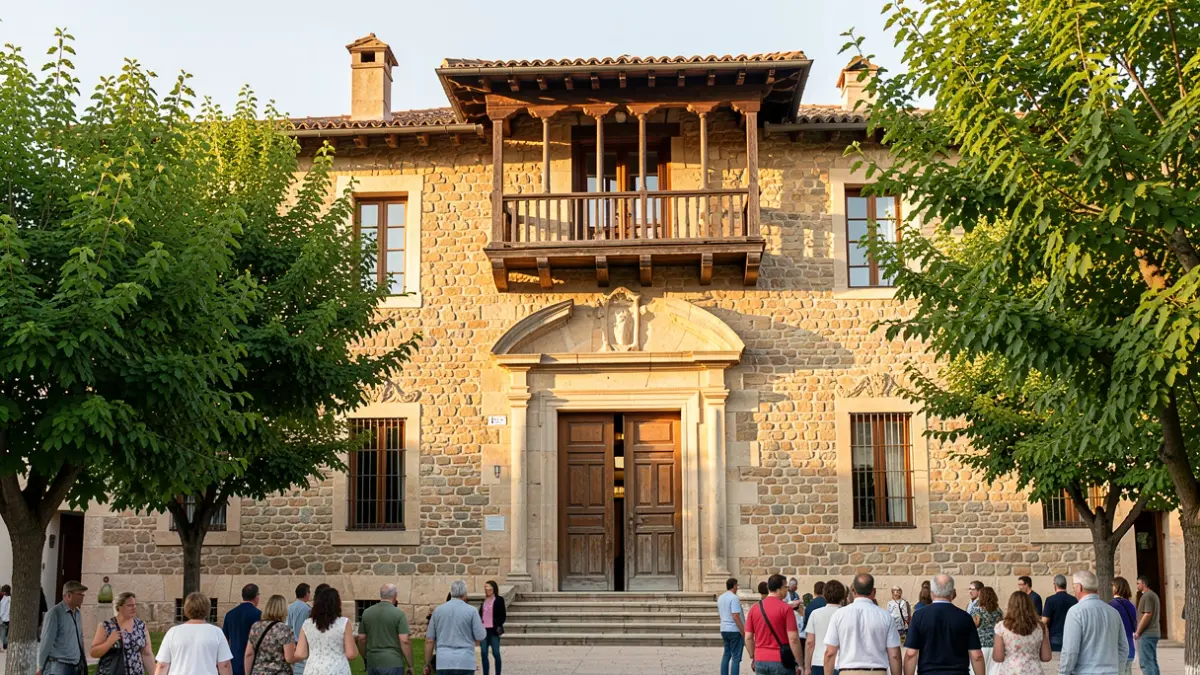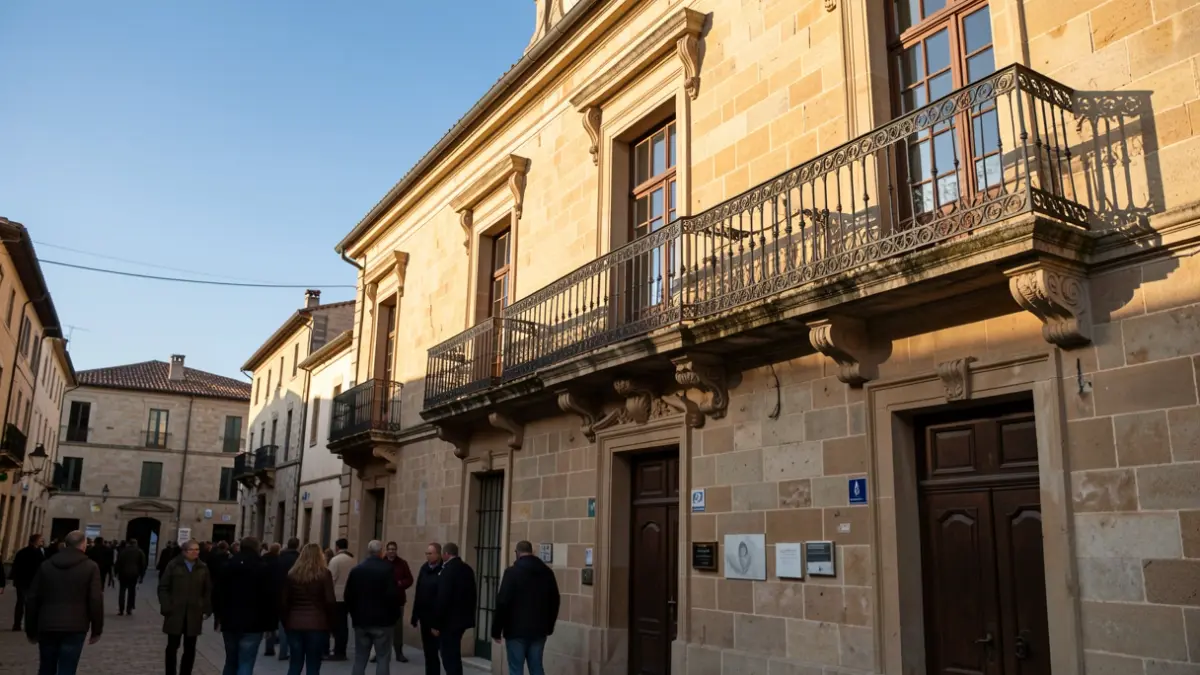

The 'Nimby' (Not In My Backyard) movement, which describes opposition to necessary projects located near one's own environment, is impacting the construction of protected housing in Gipuzkoa, worsening the scarcity and cost of housing access.
Historically, Gipuzkoa has experienced 'nimby' incidents with infrastructure like the Hondarribia airport or the Kursaal de San Sebastián. Currently, projects such as the high-speed rail line and the underground Topo passage in San Sebastián are progressing, while others like the outer port of Pasaia or wind farms have been discarded.
The housing supply shortage is significant, driving up prices and making access to housing the main social and economic problem for the Basque population. Population growth and new family typologies increase demand, necessitating more construction.
In San Sebastián and across Gipuzkoa, several housing projects have met with neighborhood refusal. Former San Sebastián mayor Eneko Goia warned about the 'club of no' in areas like Añorga, Jolastokieta, Igara, Illarra, Viveros de Ulia, and Riberas de Loiola. Now, the Auditz Akular project, planned for 3,000 homes, faces opposition from residents of Altza.
A recent example involves the Basque Government's intention to build 283 rotational rental housing units on two plots in the Riberas de Loiola neighborhood. Residents have protested, and one has taken a project to court. Opponents cite a lack of community services and criticize the type of housing (public) and the profile of its future occupants.
Housing counselor Denis Itxaso has urged the residents of Riberas de Loiola to 'banish fear-mongering discourses' and show 'foresight and empathy,' reminding them that young people and the elderly are also part of the neighborhood. In Añorga Txiki, the construction of 250 new homes exacerbates fears of overcrowding and mobility issues.
Another recurring argument is environmental. 42 associations opposing Auditz Akular argue the project would destroy a 'unique natural territory,' the 'last green lung' of Altza, affecting water resources and biodiversity.
Sociologist María Silvestre considers the demand for more facilities or concerns about neighborhood saturation 'legitimate' but believes it should not justify rejecting protected housing. She argues they are 'not incompatible' and that more housing will require more services. Regarding security, she notes increased fear towards migrants and vulnerable individuals, despite migrants representing only 15% of Euskadi's population.