
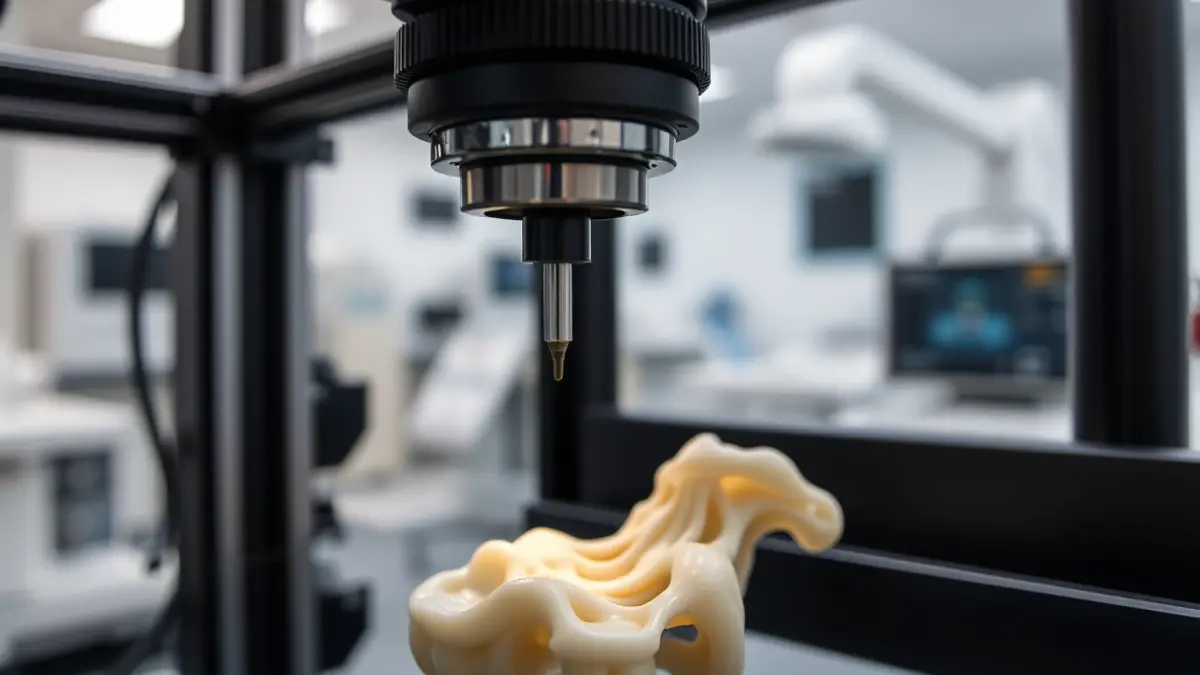
Complex surgical interventions no longer begin when the patient enters the operating room. In many cases, they start beforehand, in front of a computer, with meticulous planning supported by high-precision technology. Latest-generation CT scans, advanced magnetic resonances, 3D simulations, and the manufacturing of personalized surgical guides allow every step of the intervention to be anticipated. The objective is clear: to increase safety, reduce complications, and promote faster recovery.
This preliminary planning is then transferred to the operating room using surgical guides manufactured with 3D printing. These provide precision, safety, and streamline the intervention. The benefits are reflected in improved functional outcomes, such as chewing or breathing, as well as in the final aesthetic result.
“"Surgery does not begin in the operating room, but in a much more detailed and personalized prior planning phase."
The collaboration between surgeons and engineers has become a key element. This enables the creation of personalized prostheses, which can be designed from CT data in biocompatible materials with extremely high precision. The same applies to orthognathic surgery, where the preparation of surgical splints allows a much more accurate plan to be brought into the operating room.
Prior simulation is particularly relevant in specialties where every millimeter counts, such as neurosurgery. Plastic surgery also joins this trend with digital tools that allow the outcome of an intervention to be simulated in three dimensions before it is performed. This improves communication with the patient, allowing for a better explanation of what is to be achieved and helping to align expectations.