Arriolabengoa, in collaboration with Jakoba Errekondo and Iñaki Etxebestere, has launched a new book focusing on the significance of trees and forests in the Basque Country. The work aims to deepen the understanding of these elements, highlighting their cultural and historical value, and promoting a critical forestry model that prioritizes sustainability and collective interest.
The book serves as a guide to various tree species, detailing their botanical and ecological characteristics, and incorporating associated songs, traditional uses, and curiosities. Emphasis is placed on the centrality of the Basque language, with the inclusion of a 5,000-word glossary. Furthermore, it addresses topics such as landscape evolution, ecology, and tree care, including when to fell trees and how to preserve wood.
The authors note the strong historical connection between trees and Basque culture, reflected in language and customs. The transformation of the landscape, beginning in the Neolithic and accelerating in the 13th century due to the rise of ironworks and population growth, led to the lowest forest cover in the 19th century. Currently, the forested area has increased, although its condition is concerning in certain regions, particularly in Gipuzkoa and Bizkaia.
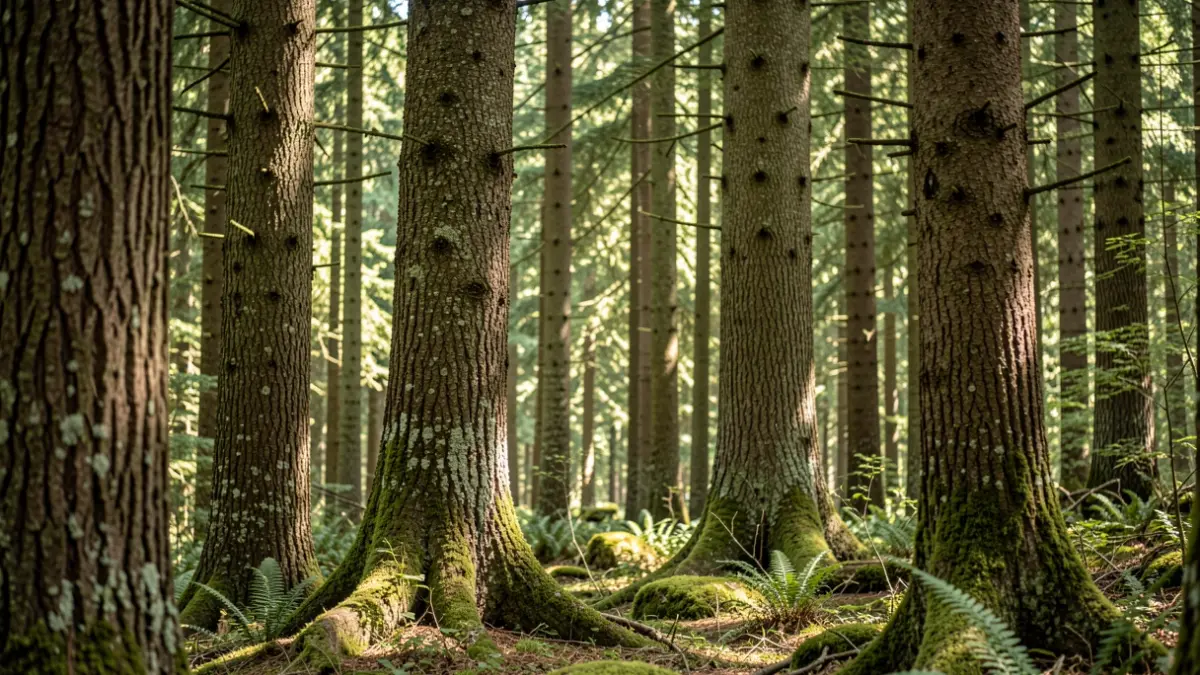
In Gipuzkoa and Bizkaia, private ownership and intensive forestry models have resulted in serious consequences, such as increased diseases and water pollution. In contrast, Araba and Navarra feature more communal forests managed for collective interest, maintaining all ecosystem functions, exemplified by the Iratiko oihana (Irati Forest).
Book sales will fund the creation of a forest, organized by the cooperative Tantai. This project promotes a changing forestry model, viewing wood as a material with significant future potential while preserving ecosystem health. The Tantai cooperative manages both private and public lands, aiming to improve working conditions and balance profitability with viability.
The authors emphasize that wood remains a central material, despite the use of others. They describe the forestry sector as precarious and aim to drive change by combining production with nature conservation. They acknowledge the need to alter consumption patterns but consider finding a balance crucial in a densely populated region.