
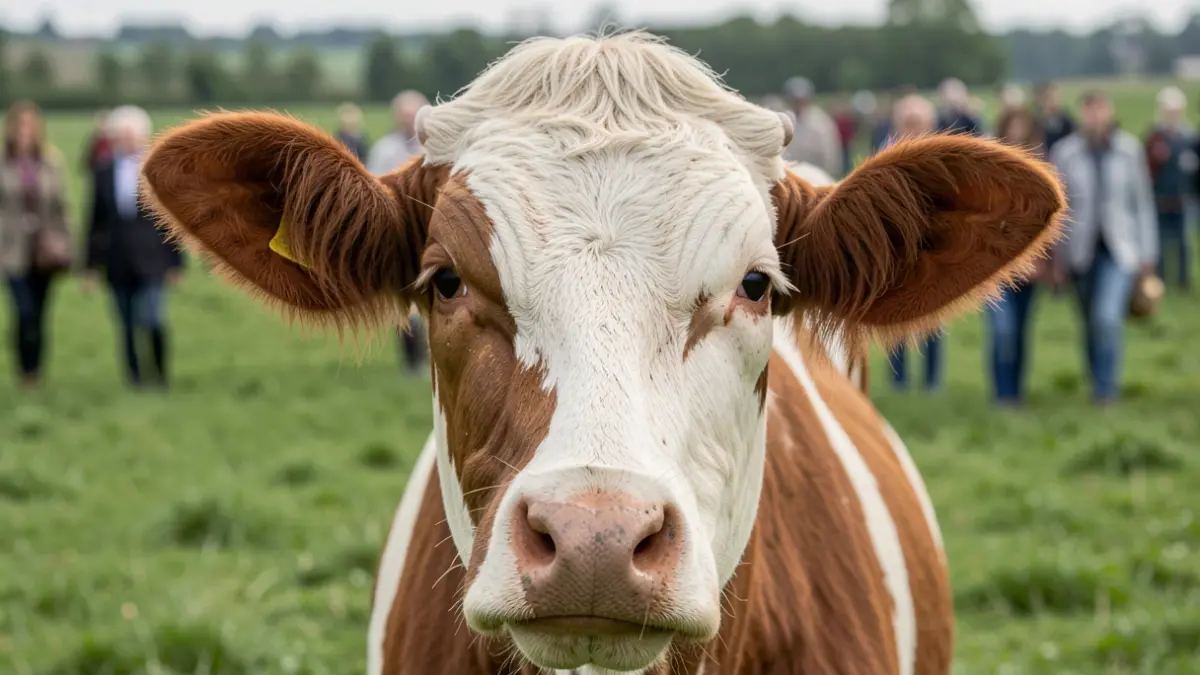
The Department of Food, Rural Development, Agriculture, and Fisheries reported that the clinical condition of the affected animals is stable and the farm remains under veterinary surveillance. The virus, transmitted by Culicoides insects, usually causes mild and temporary symptoms in adult cattle, such as fever, diarrhea, or a temporary decrease in milk production.
The disease has been detected in thirteen European countries since the summer of 2026. In Spain, cases have been confirmed in several provinces, and veterinary authorities are monitoring its evolution. An exceptional case in a severely immunocompromised person in France is under investigation.
“"El virus Shamonda no es una enfermedad incluida en la lista de enfermedades de la Unión Europea y su detección no comporta medidas como el sacrificio de los animales o restricciones generales de movimiento. La respuesta se basa en la vigilancia, la atención veterinaria de los animales afectados, la bioseguridad y el control de los insectos que transmiten el virus"
In Euskadi, veterinary personnel have been alerted to enhance early detection, and Animal Health laboratories have refined diagnostic techniques. Farms are advised to monitor animals daily, reinforce cleaning and disinfection, control insect vectors, and isolate symptomatic animals.
Minister Amaia Barredo emphasized the constant professionalism of livestock farms, veterinary staff, and official veterinary services, whose collaboration is key to a proportionate and technically sound response that allows managing the situation without significantly altering the sector's ordinary operations.