Although it initially began as a family project, writer Eduardo Laboa's new work compiles the collective memory of the entire town of San Juan, with the support of a group of friends. The book will be available for purchase at the presentation.
The original idea was to create a book about his family, who were fishermen, and write about the customs and life in San Juan. Over time, he has collected daily anecdotes and, especially, poetry, as well as small stories from the town, such as those of the butcher, the shopkeepers, and other characters. Initially, this material was only for himself.
The Covid-19 pandemic marked a turning point in the project. When the writer's brother became seriously ill, he began writing him letters and publishing them. The writings were spread through WhatsApp groups and Facebook, receiving a positive reception. He accumulated material between 2020 and 2025, and his friends encouraged him to publish. Finally, with the help of a woman who bought a house in San Juan last year, they spent the entire summer analyzing and revising all the Facebook texts.
To gather the stories, Laboa has recorded the experiences of acquaintances on paper, stating that "it is a great pity for all those stories to be lost." He believes that if these testimonies are not collected, they will be lost forever, and they represent "the history and life of the town."
“"The book collects historical memory, there are many elderly people and when they die their stories go with them"
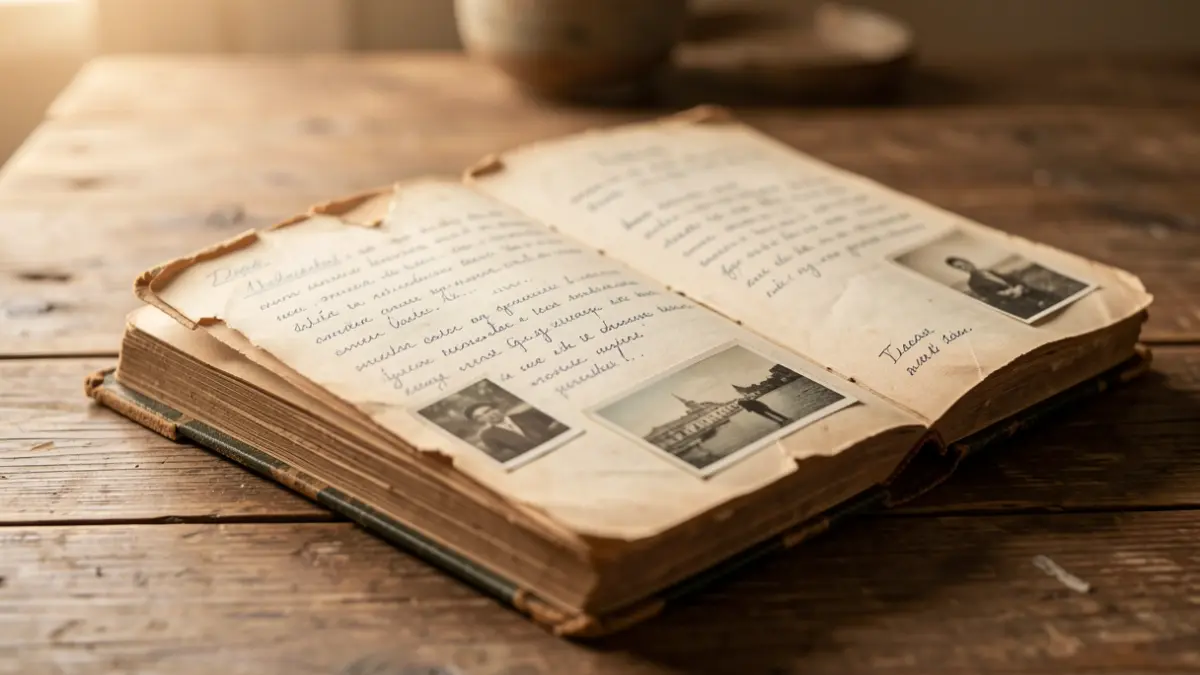
Initially, they had around 1,600 poems and stories, but in a first selection, this was reduced to about 700. A group of friends has processed the texts, selected photographs, and made corrections. The writer has indicated that the book holds many hearts within it.
The book is bilingual, but not a conventional translation. Some texts have been published in Basque and others in Spanish to make the book viable. There are poems in one language and stories in the other.
The book, dedicated to the town of San Juan, reflects local characters, customs, and festivals, such as rowing, handball, and football. The writer has a habit of writing a poem as a tribute when someone passes away, considering death to be part of life and important to express those feelings on paper.
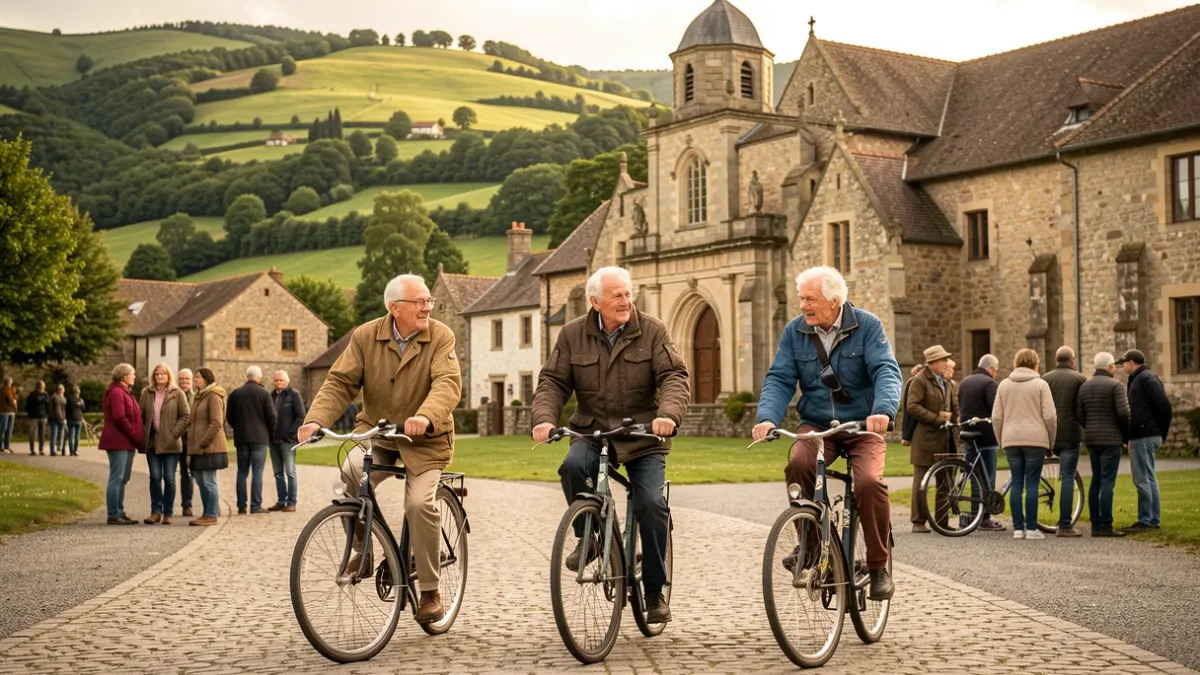
One of the main objectives is to preserve historical memory, especially considering that the population in the Old Town of Donibane is aging and customs like the life of fishermen are almost lost. Through the book, he aims to recover people, customs, and feelings from that era.
Laboa does not define himself as a chronicler, but rather as a "memory keeper."
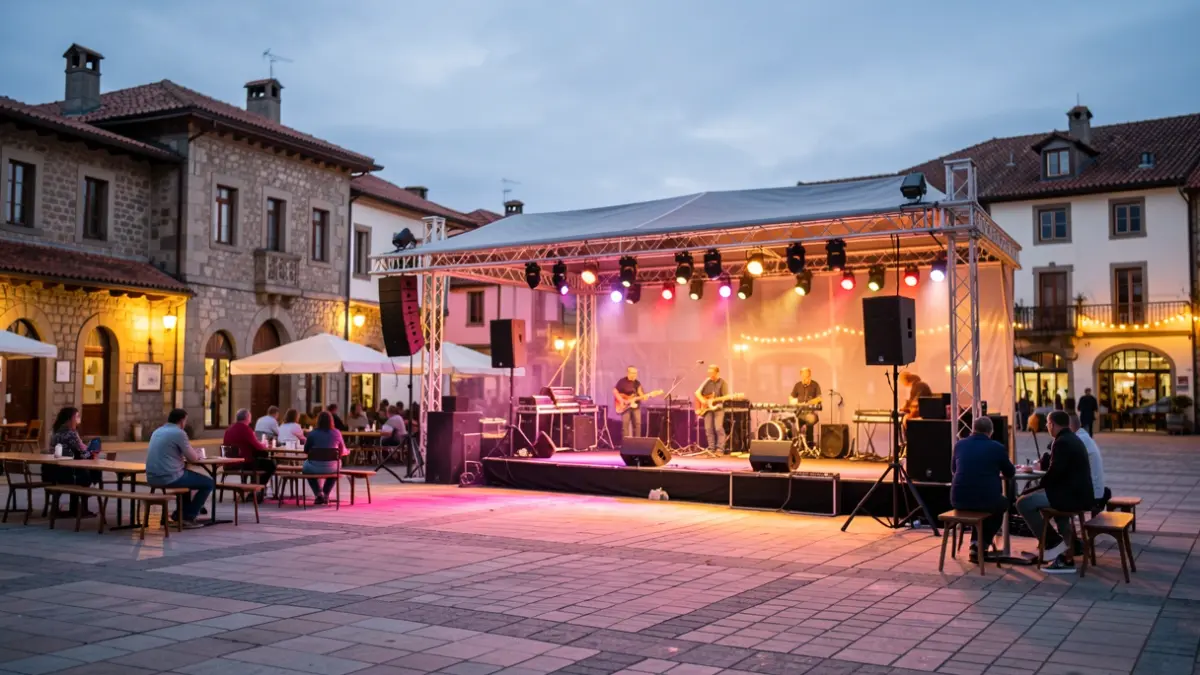
The book presentation is expected to be a "small festival," featuring a video, readings of texts, and a performance by the local kantujira (popular singing) group. They have produced 300 copies, mainly for sale in San Juan, as it is something created for the town. The writer's intention is not to be a professional writer, but to keep his feelings and the town's memory alive.