
According to the Municipal Government, the existing ordinance, "after nearly ten years in effect, has not achieved its set objectives." Therefore, it is deemed necessary to "broaden the foundations of cleaning, establishing sustainable criteria, ensuring proper waste management, emphasizing shared responsibility in community care, and reinforcing new preventive measures."
One of the primary objectives of the new ordinance will be to deepen prevention, under the principle that "the goal is not to clean more, but to soil less." To achieve this, awareness campaigns and training initiatives for both children and adults will be promoted. The aim is to transition to a sustainable cleaning model that minimizes environmental impact and fosters citizen commitment.
The new regulation will guarantee freedom of expression and coexistence, agreeing on the foundations for the democratic use of public space and proposing new areas for free expression. The "zero waste" philosophy will be promoted in waste management, along with the protection of historical and public heritage, by assisting in cleaning dog waste or providing non-damaging communication supports. Furthermore, proportionality will be sought by streamlining permit systems and revising the sanctioning regime, prioritizing warnings or voluntary corrections before penalties. A gender perspective and equality will also be integrated, ensuring accessible and safe public spaces, and explicitly prohibiting sexist, racist, LGTBIfobic, offensive, or discriminatory messages.
The Council recalled that a significant conflict arising from the 2016 ordinance concerned freedom of expression, as its limitations hindered the communication needs of citizens and groups. In response, new free expression spaces are proposed in several locations currently used by collectives. Data indicates that since 2016, 161 administrative files have been processed, and 291,568 euros have been allocated to facade cleaning without significant results.
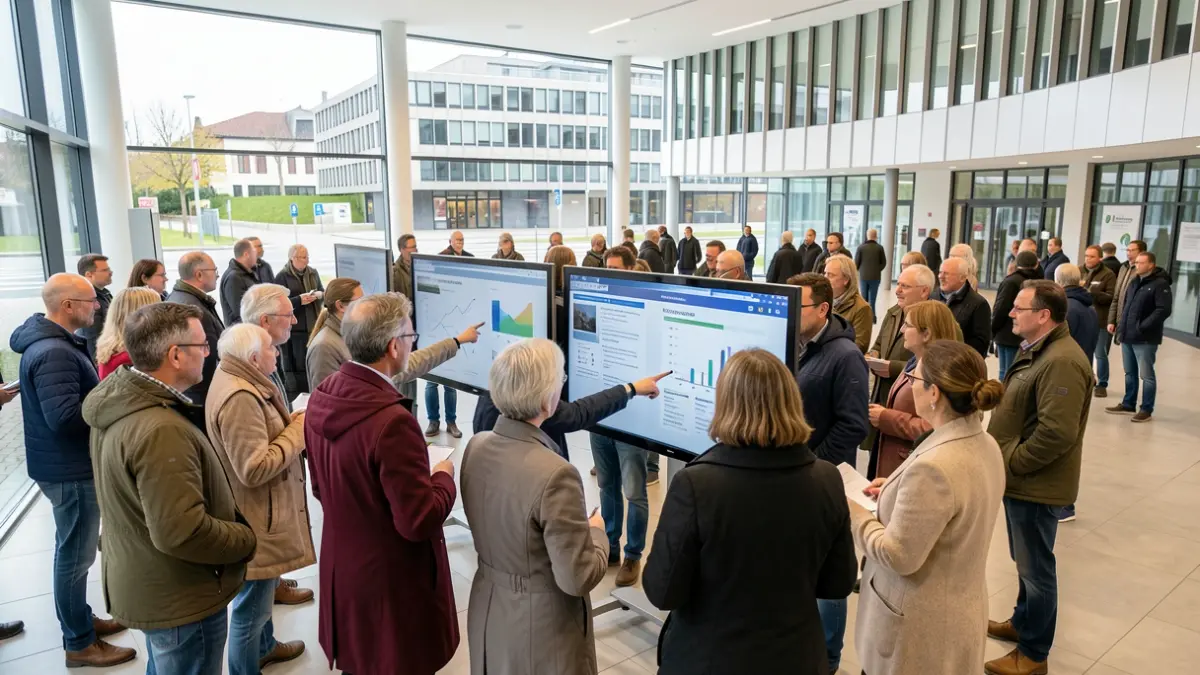
The participation process will be open to the public until June 28th via the municipal website or the BAZ service. In July, dialogue sessions will be held with community stakeholders, and between September and October, the first draft of the ordinance will be presented to gather further input before its final approval.