
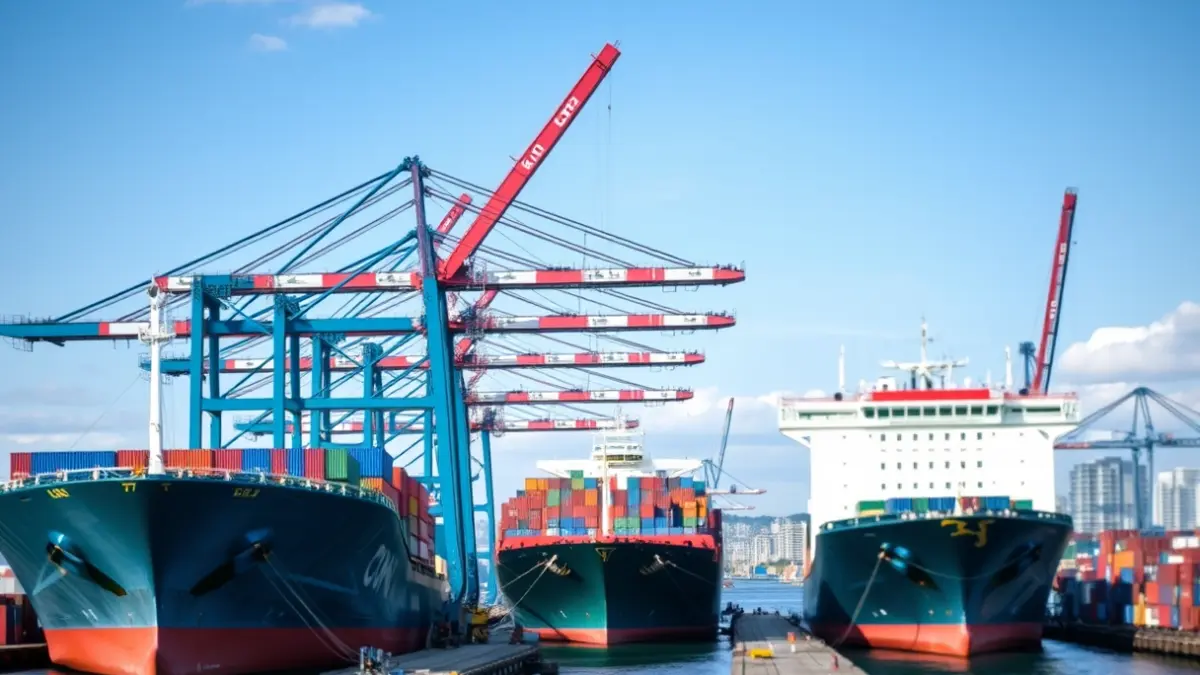
This measure will affect towns in Pasaialdea, such as Pasaia and Lezo, aiming to alleviate the effects generated by the Port of Pasaia. A spokesperson for EH Bildu and the mayors of these municipalities have positively assessed the upcoming implementation of this taxation.
The BICE tax, included in Spanish State regulations, is designed to fiscally compensate local administrations for the impacts caused by special infrastructures, such as ports, through the Property Tax. While already in force in Navarre, Bizkaia, and Araba, as well as across the Spanish State, it had not yet been applied in Gipuzkoa.
“"It has been a long process, but it will be in force from the beginning of 2027. This situation demands settling historical debts."
The spokesperson congratulated the mayors of Pasaialdea for achieving that, from 2027, they will be able to collect this tax to address the impacts these municipalities suffer from bordering the Port of Pasaia. She also stated that the Port of Pasaia will have to pay the corresponding tax from now on, just as the Port of Bilbao already does.
The mayor of Lezo emphasized that it is the citizens of their municipalities who suffer from the noise, dust, and spills from port discharges and trucks. He added that the port is urban and that these impacts extend beyond the port area. Until now, the Provincial Council of Gipuzkoa had not made the necessary adaptations to classify the Port as a special asset, which hindered the collection of corresponding taxes.
“"It is the citizens of our municipalities who suffer the noise, dust, and spills from port discharges and trucks. Ours is an urban port, and all these impacts extend beyond the port area."
The first councilor of Pasaia expressed similar sentiments, indicating that citizens' daily lives are completely conditioned by living surrounded by port land, even if much of this land does not have an actual port use. He demanded that it is time to move to another phase, to discuss the investments needed by citizens and end the port's bossism. He concluded that the least the port can do is pay the municipal taxes it owes, and that this has at least been achieved.