The Tolosaldea public hospital was the focus today in the Health Commission of the Basque Parliament, during a hearing requested by EH Bildu. The discussion revolved around the new center, planned to start construction in 2028 and finish by 2031. Parliament member Rebeka Ubera criticized the hearing for being late, noting that the functional plan was received only after the project had been put out to tender.
Ubera highlighted two key points in the functional plan: a missed opportunity for collaborative work and that the plan discusses a 'satellite infrastructure' rather than a hospital. She raised questions about whether discussions were held with the owner of Asunción Clinic, Inviza, and if alternatives to the new public hospital were explored. She also warned that the new hospital would offer fewer services than the current Tolosaldea OSI and advocated for investing in professionals over concrete, referencing the funds received by Asunción Clinic.
The Minister of Health, Alberto Martínez, accompanied by the Deputy Minister of Health Administration and Financing, Aritz Uriarte, the General Director of OSI Donostialdea, Maite Martinez de Albeniz, and other professionals, explained that the new hospital will not be mere infrastructure but will define 'a new public health model'. According to the minister, the project is a firm commitment from the Basque Government, responding to a historical demand by offering more services and specialties and forming part of an assistance reorganization to improve public healthcare.
Martínez emphasized that the project is not just a building but a new way of caring for citizens, aiming for more coordinated and accessible care. He added that the process has been 'long, rigorous, and shared', recalling meetings with health professionals, regional mayors, social agents, unions, and the TOPA platform, ensuring participation.
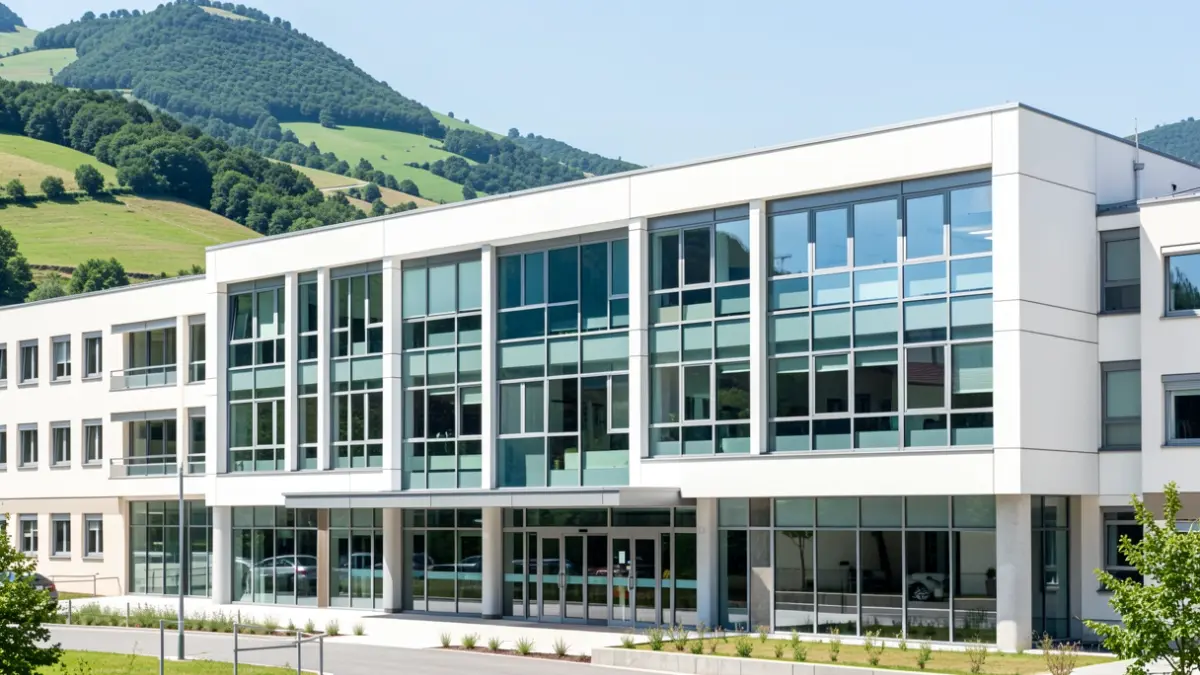
The minister clarified that Tolosaldea needs a public hospital integrated into a broader system, connected with the OSI Donostialdea. The goal is to improve health outcomes, strengthen care continuity, and ensure safe, humane, and sustainable attention. The new hospital will offer outpatient consultations, scheduled surgery, hospitalization, emergencies, advanced diagnostics, and new specialties such as cardiology, neurology, and traumatology.
Regarding the potential publicization of Asunción Clinic, Martínez stated that the new hospital must meet the 21st-century healthcare model. He expressed the intention to issue a specific call to integrate Asunción's staff into the new hospital, having made a proposal to the unions. PSE-EE representative Ekain Rico praised the Health Department's stance, while the EH Bildu representative demanded accountability from the minister regarding the workers' future.
Concerning the project's tender, Martínez reported that seven bids have been received and the award is expected this week. The hospital will be built on an 8,445 square meter site in Iurramendi, with construction work scheduled to begin in mid-2028 and conclude in 2031. The building will have seven floors, four above ground and three below.