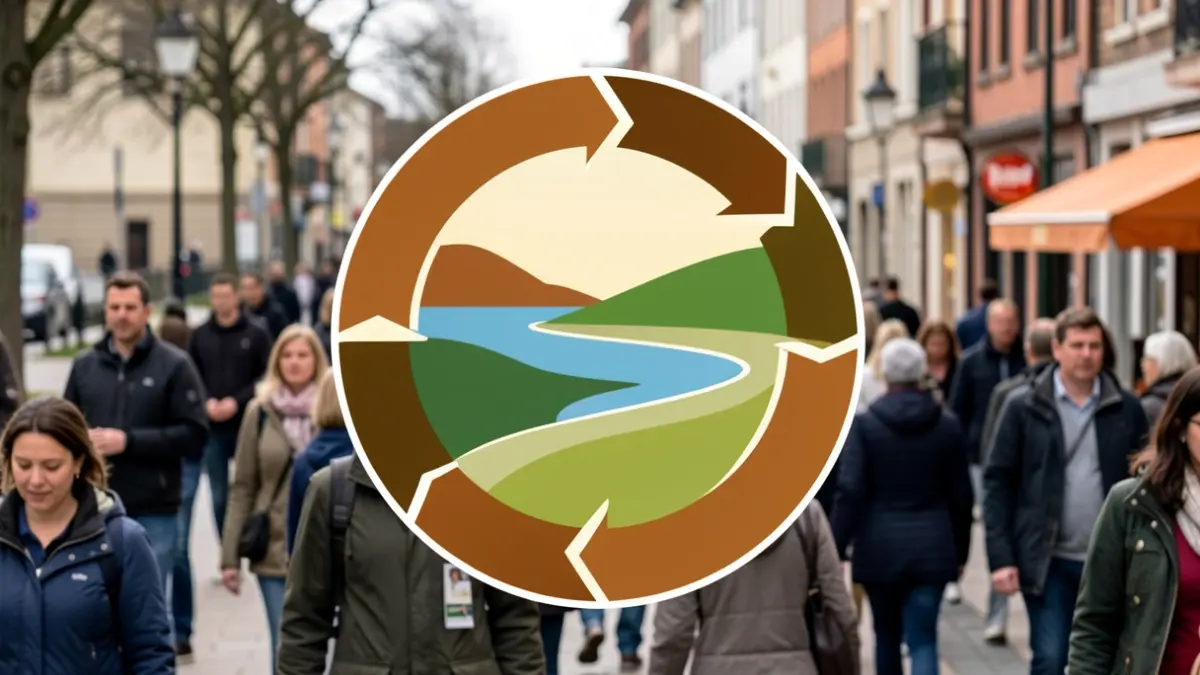
The chosen name, 'Karanketan', references a traditional Arrasate expression for the collective task of shelling beans, corn, or peas around a table. This communal activity not only gathers the harvest but also serves to select the best seeds for future planting. It is precisely this idea of community, cooperation, and continuity that the project seeks to revive, symbolized also by a circular image representing the local food cycle.
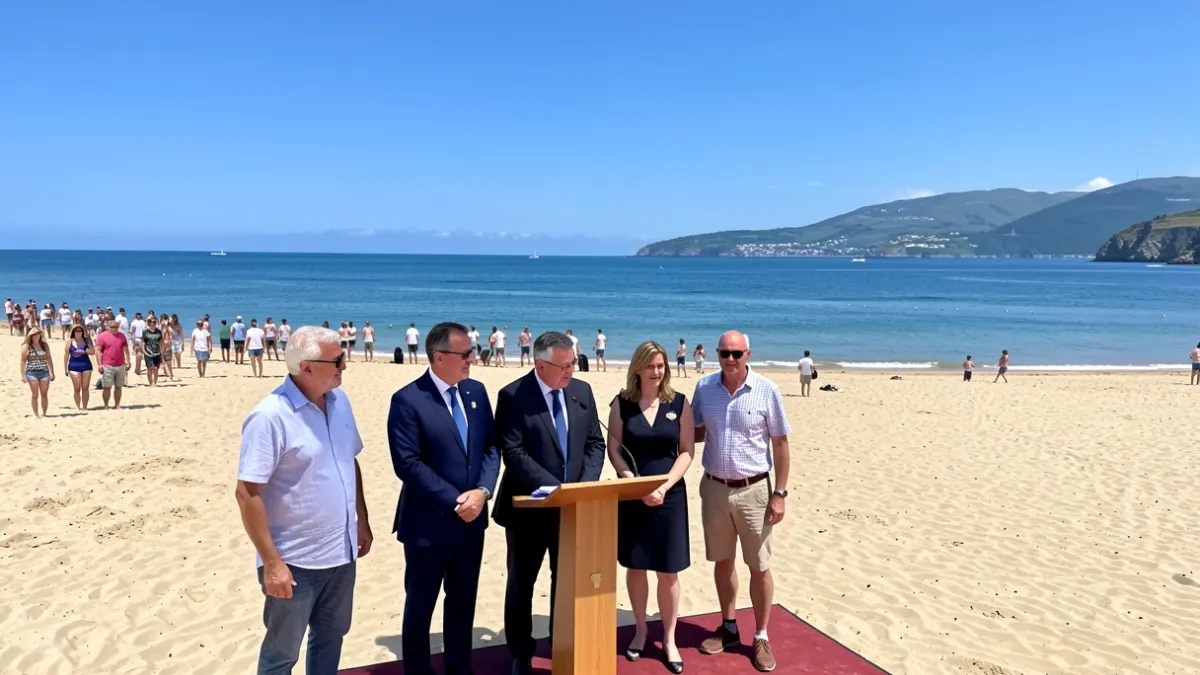
During the presentation event, participating stakeholders unveiled the municipality's food strategy and the horizontal governance model that will guide the project. 'Karanketan's' primary objective is to relocalize food production and consumption, fostering an agroecological, healthy, and sustainable model that strengthens the local fabric and reduces external dependency.
The Food Table comprises the City Council, Ereindajan, the Rural Development Association and Biolur Gipuzkoa, the Tokixan project, and Txatxilipurdi, alongside local producers such as Naiara Uriarte from Errastiko Ogia and Ane Gorosabel from Elkoro Baserria.
The initiative began to take shape in July 2024, and since then, various training sessions and outreach activities have been held to consolidate the working group. Currently, 'Karanketan' is driving specific actions like the educational courses 'Lurretik Mahaira! Ekoizleekin kozinatzen' ('From the Earth to the Table! Cooking with Producers'), which started in May and will continue from September, in addition to talks and awareness-raising activities open to all citizens.
Among the project's tasks is the development of the 2027 plan, a process that will include participatory spaces to gather public opinions and proposals. The initiators of 'Karanketan' emphasize that the initiative is founded on values such as agroecology, the dignity of producers, feminism, and the creation of inclusive meeting spaces.