The grant, with a prize of 5,000 euros, aims to promote the creation and production of artistic works with a feminist perspective in Aretxabaleta. Two proposals were received, both of good quality, addressing themes related to ecofeminism and the local identity, seeking to recover women's historical memory and transform future imaginaries.
The jury, composed of members from the Equality and Culture committees, representatives from the feminist movement, and art experts, selected the winning project due to its high score. The jury members included: Ainoha Sanchez Garcia, Maider Triviño Madinabeitia, Ibai Zangitu Arroyo, Inma Miguel Quintero, Ane Etxabe Isasndi, Eider Sanchez Garcia, Kepa Errazti Gorroño, and Izaro Aizpurua Arkauza (as secretary).
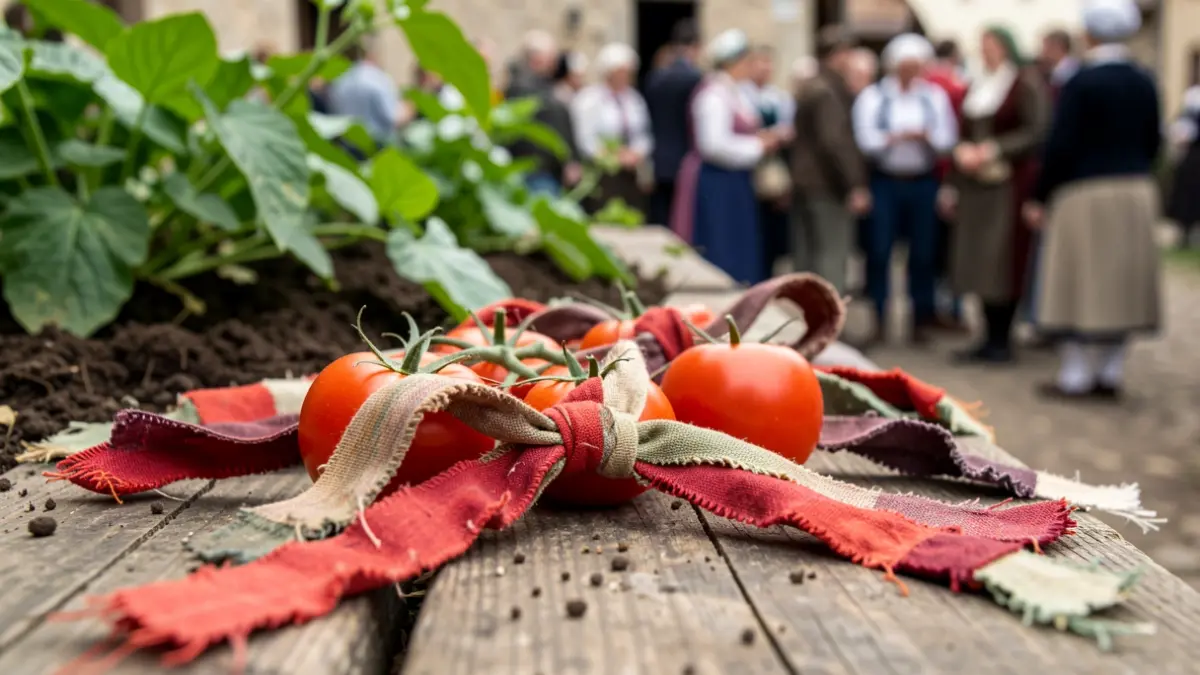
The "ZINTAK" project focuses on recovering the feminist and material memory of women from the rural areas of Aretxabaleta. It uses "tomato ties" cut from old peasant women's clothing, which were used to support plants, as its starting point. By combining the life cycle of fabrics and the tomato plant, it will analyze women's relationship with clothing, their invisible labor, care, and transmission through oral history.
The creators explain that the project aims to reflect on current concepts of consumption, care, and sustainability, using the feminist wisdom of the past. Understanding clothing as a tool for work, protection, and a repository of emotions and memories, they intend to draw from the threads of hundreds of women's memories to create ties that sustain future sustainable lives.
The final outcome will be an artistic "book-object" and a public exhibition, which will foster a dialogue between past wisdom and current models of consumption and sustainability. The book-object will offer a tactile and sensory experience, combining women's testimonies, poetic texts, historical photographs, and textile elements to represent the layers of memory from Aretxabaleta's farmhouses.
The grant recipients have 12 months to complete the project, which must be developed in Basque. The grant is worth 5,000 euros.