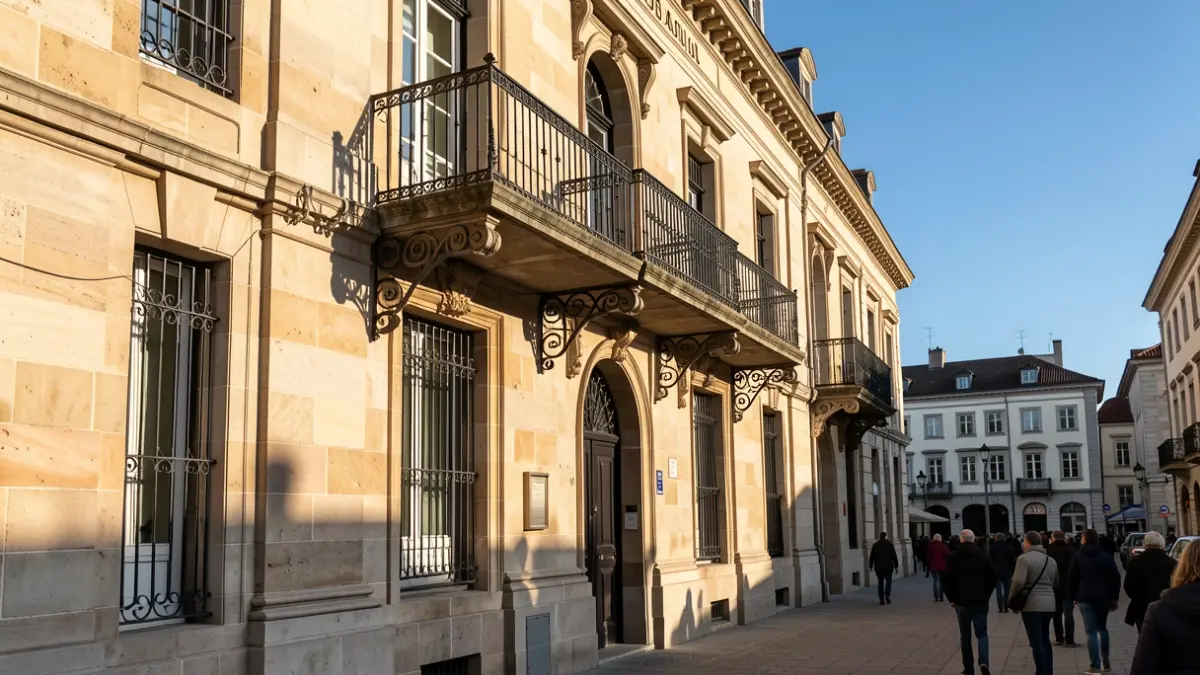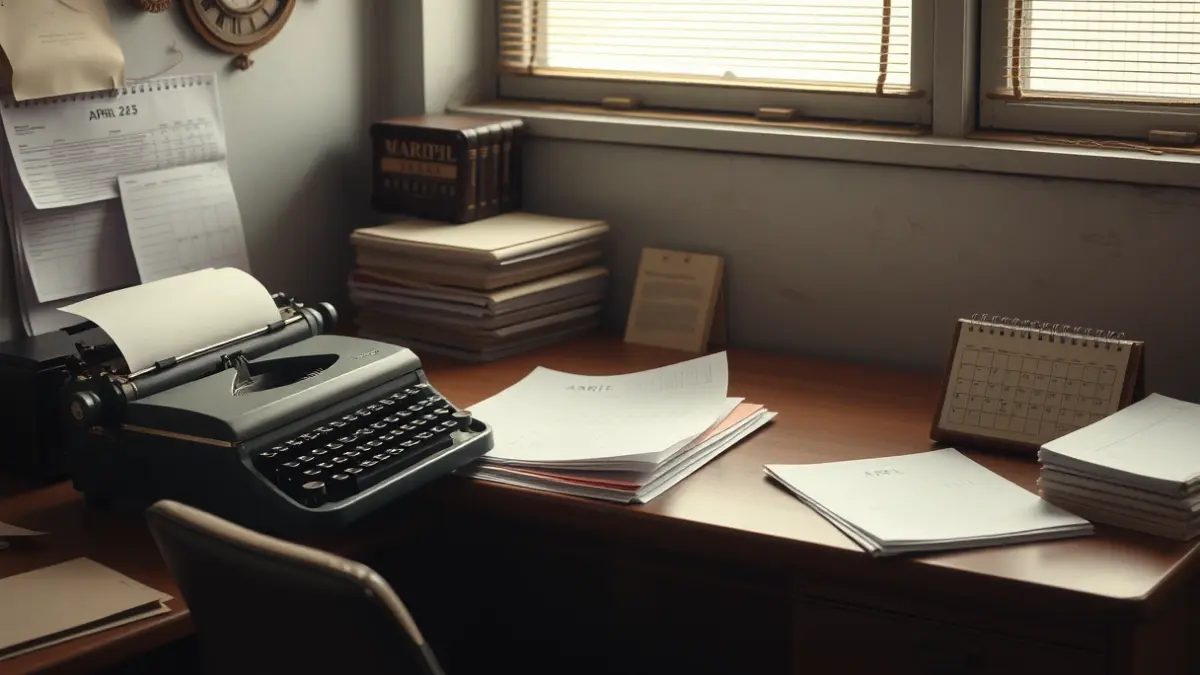
In Eibar, San Marcos Day, on April 25th, was for a long time an important date. Today, however, it goes almost unnoticed, diluted by the work calendar and the loss of many customs that shaped the city's social life. But for several generations of workers, especially those in office roles, San Marcos was much more than a religious reference: it was a day of gathering, shared rest, and professional identity.
In the daily life of industrial Eibar, San Marcos was for years considered the patron saint of office workers. This status meant that April 25th took on special significance in many companies, where administrative staff, accountants, and management personnel celebrated their day.
“"On a day like today, office workers would gather, and in my case, at Alfa, the company would pay for a meal."
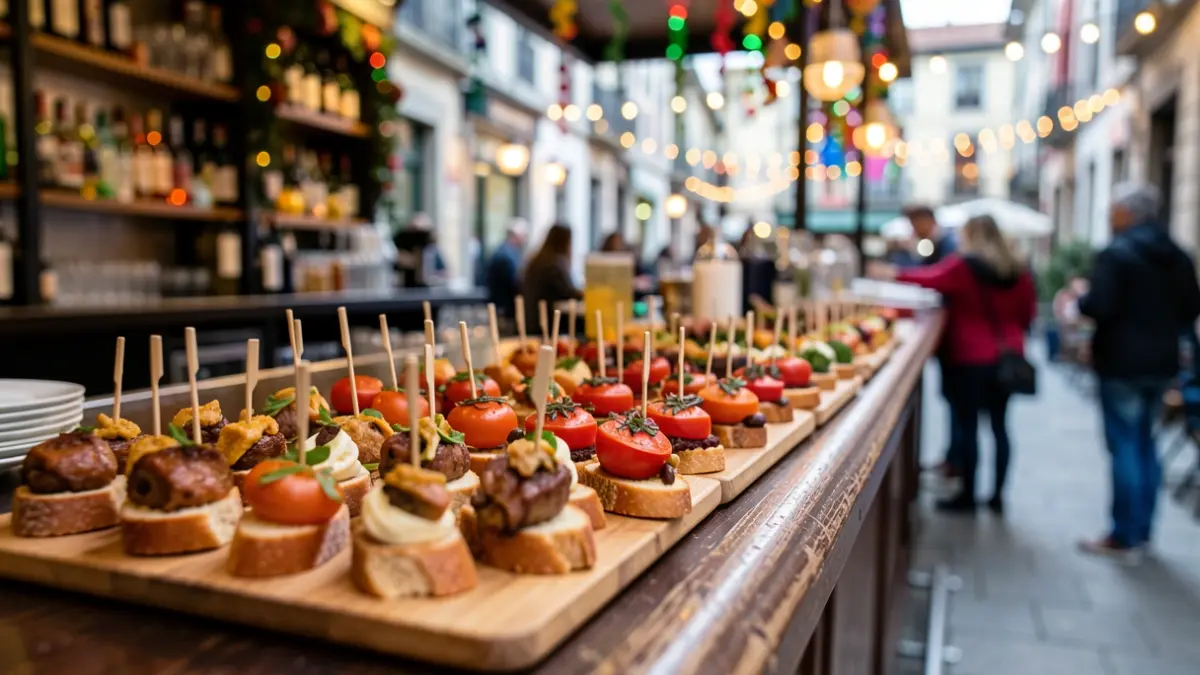
A former employee of the Alfa company recalls that the company would pay for a meal for office workers on San Marcos Day. These gatherings were both a professional celebration and a social event, allowing them to break from routine for a few hours and strengthen bonds in an era when the company was, for many, an extension of their social life.
Another former worker also fondly remembered that atmosphere. For her, San Marcos was an anticipated date, a different day within the work calendar, where colleagues gathered without the pressure of daily work. These were times when relationships within companies had a closer dimension, and certain festivities contributed to creating a sense of belonging.
Over the years, however, the celebration gradually faded. Business structures changed, large workforces disappeared, labor relations transformed, and many of those customs ceased to be practiced. What was once a marked date on the office calendar is now barely remembered outside of those who experienced it.
In that industrial Eibar, industrial festivals were very common. It is worth remembering Santa Bárbara, the gunsmiths' festival, and San Eloy, associated with fine metal crafts. Large companies such as Alfa, Orbea, GAC, BH, and Lambretta generated their own social life with meals, championships, and excursions. With the industrial crisis and the closure of many factories, this festive working-class culture also gradually disappeared.
Furthermore, it was customary in Eibar to extend the weekend until Monday, a day used to watch pelota matches. According to the explanation attributed to the writer from Eibar, Toribio Echevarría, Monday was a day closely linked to the local pelota fans, which is why the fronton was named Astelena, 'Monday' in Basque.