The diversity of Basque dialects generates numerous variants for the same word, and a clear example of this is the name given to the small bump that appears on hands and fingers. In Oikia and surrounding towns, it is called “garatxoa” (orally “gaatxua” or “gatxua”), while in Zumaia, “enorra” is more common. In Zestoa, “garitxu” is used, and in Zarautz, “garitxo” is also employed, as shown by Euskaltzaindia's EHHA atlas.
This atlas also records other variants such as gari, garijo, garitx(a), garatx(a), ga(r)atxo, kalitz(a), karitx(a), karitta, karetx(a), karatx(a), and ka(r)atxo. A curious testimony from Arroa indicates that “enorra” is used for animals and “garitxua” for humans. In Eibar and the Deba area, the word “enorra” is also used.
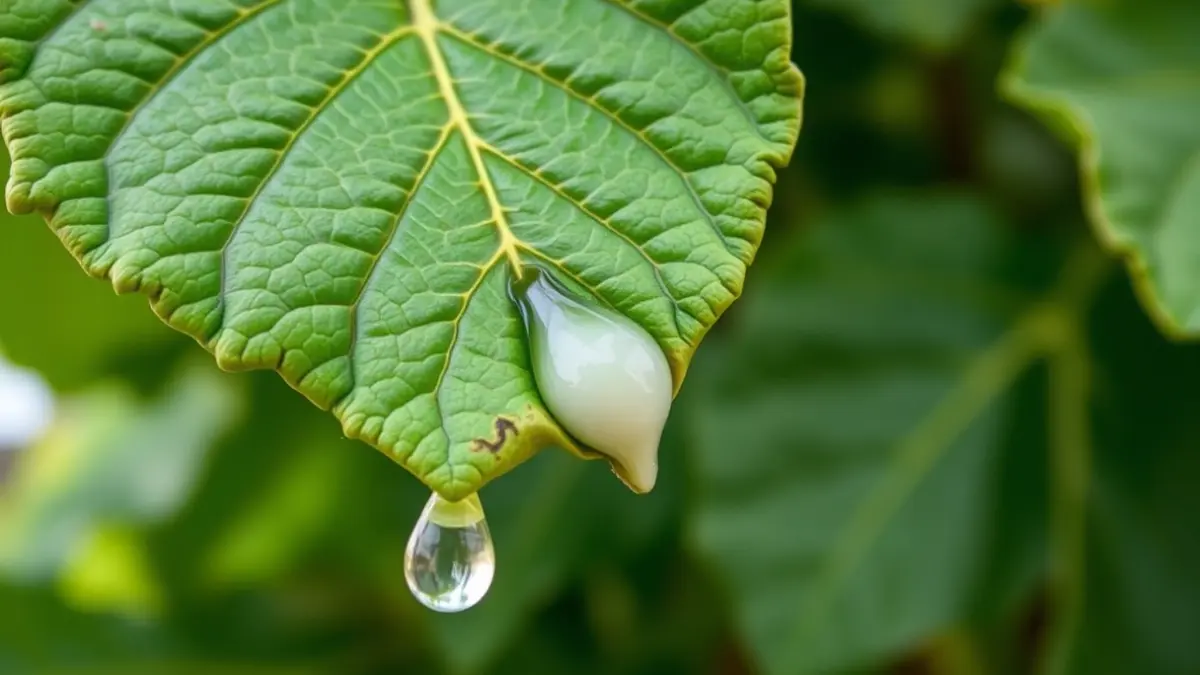
A few weeks ago, the Geopark organized an excursion on medicinal plants in Oikia. It was explained there that the latex secreted by fig trees and spurges has been used to remove “enorras”. During the event, attendees from Oikia referred to them as “gatxua”, and a local resident confirmed that she uses “gaatxua”.
“"To remove warts, one must go to a rush bed and tie a rush brought from there, and when tying it, one must say: "one rush, two warts, this rush will remove that wart."
R.M. Azkue, in the fourth volume of his work Euskalerriaren Yakintza, also documented another way to cure “enorras” or “garatxoak” in Zumaia, related to a place with an abundance of rushes, known in Spanish as ‘juncal’.