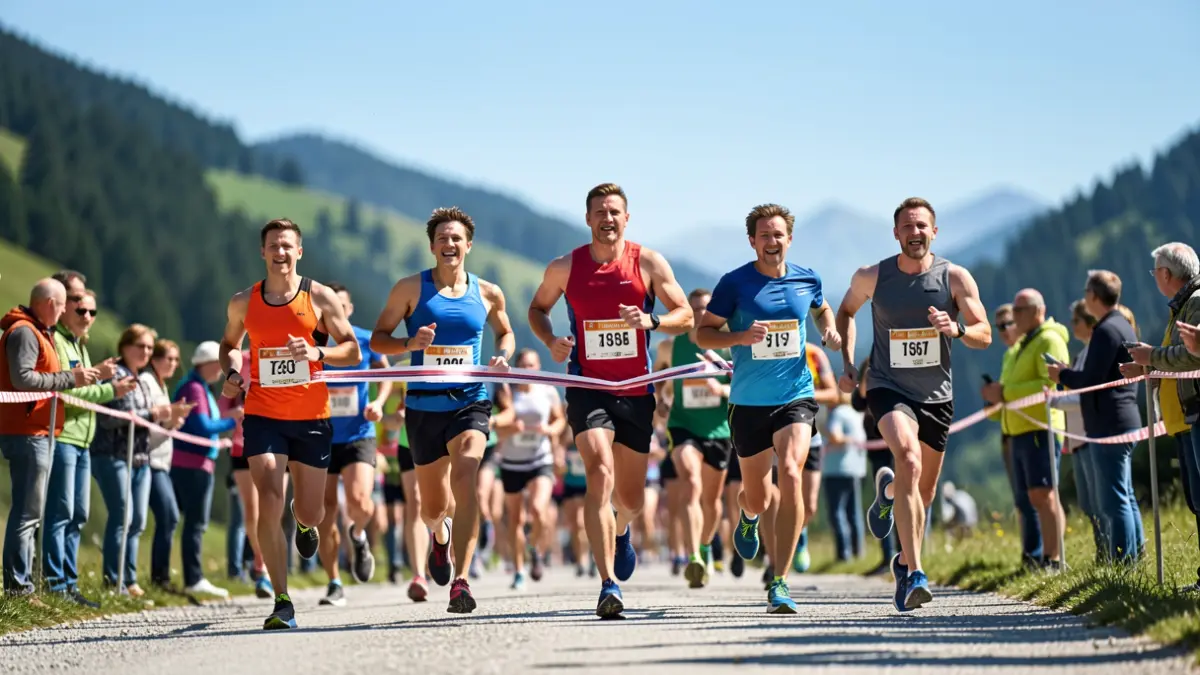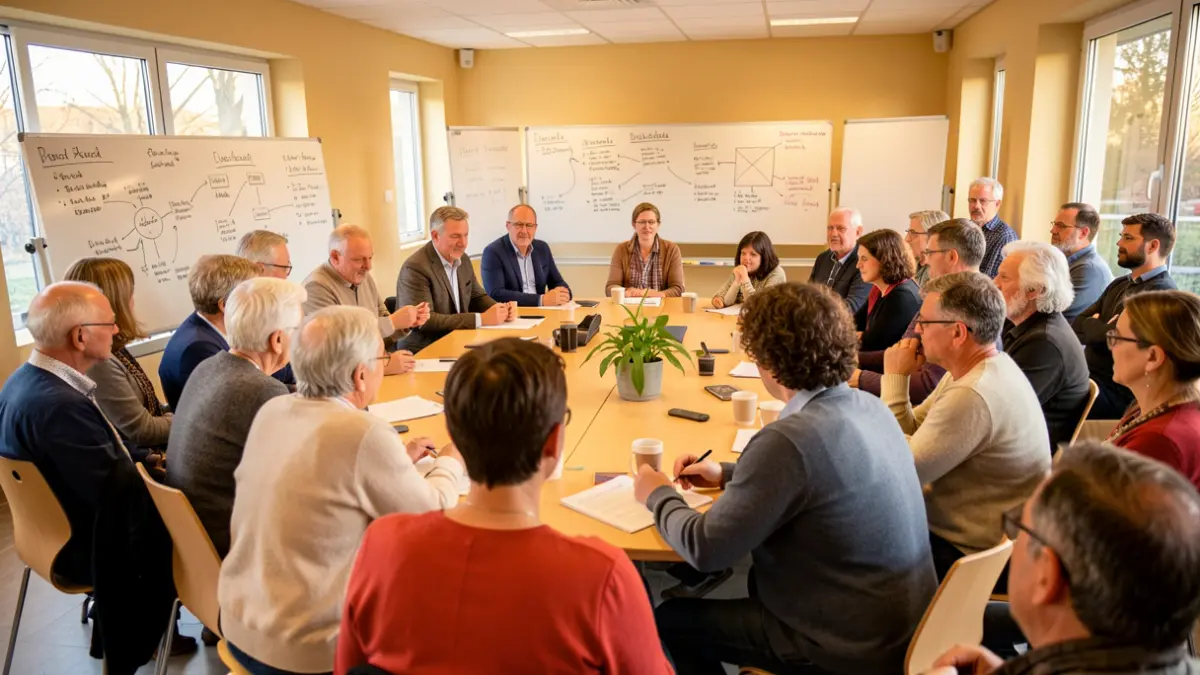
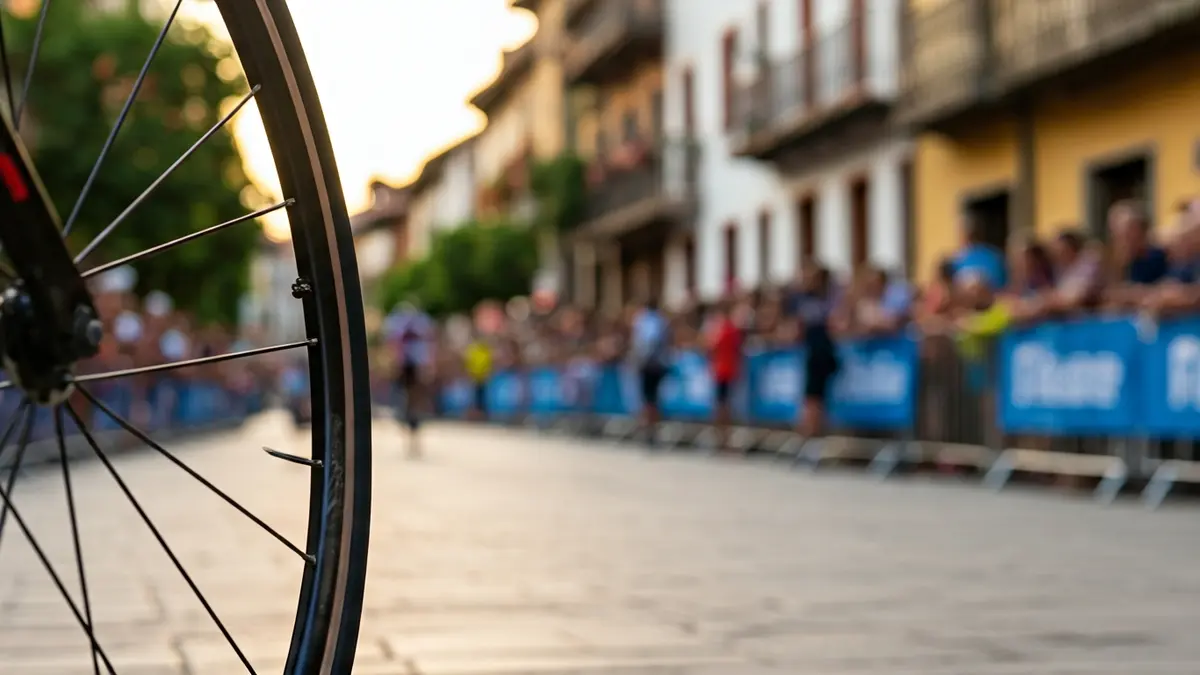
Eibar has reaffirmed its profound connection to cycling by celebrating 45 years of its local cycling organization. This symbolic event highlighted the deep-seated presence of the sport in the city and its pivotal role over decades in fostering both amateur and professional cycling.
Javier Riaño and Julián Eraso, who oversee Eibar's cycling events, emphasized the sustained effort required to maintain a vital organizational structure that keeps Eibar linked to cycling. They highlighted the dedication of many individuals across generations and the city's ability to preserve a tradition that has propelled events, cultivated enthusiasm, and projected Eibar's name both within and beyond Gipuzkoa.
“"The Itzulia is the benchmark event for Eibar, and we have supported it since 1989. We cannot forget that it places us on televisions in 200 countries."
Mayor Jon Iraola recalled that «the Itzulia is the benchmark event for Eibar, and we have supported it since 1989». He stressed the international exposure that maintaining this connection to major cycling events brings to the city.
Among the spectators was cyclist Omar Fraile, who emotionally recalled his victory in the city. «Eibar brings back many memories because I won the race in 2018. When I saw a 300-meter finish line sign, I got very emotional,» he stated.
Riaño and Eraso reviewed the origins of this organizational journey, which began in 1981 when they decided to take over the organization of the Subida a Arrate. This initiative later led to the formation of Euskal Bizikleta, a race that grew from the mid-1980s to adopt a multi-day format. In 2009, Euskal Bizikleta merged with Organizaciones Deportivas de EL DIARIO VASCO, creating OCETA (Euskadi Cycling Organizations). However, since 2017, the organizational responsibility has rested solely with the Eibar team.
OCETA officials also emphasized the complexity of sustaining an event of this magnitude. While a smaller committee handles much of the year-round work, they explained that in the weeks leading up to the race, particularly in the final fortnight, a significant number of people are mobilized to shape the grand event and manage a structure involving nearly a thousand individuals.
Despite logistical challenges such as traffic and security, Riaño and Eraso agreed that funding remains the primary hurdle. «If there's no funding, there's nothing to do, and the Eibar City Council has been key,» they summarized, highlighting the role of businesses and institutions in ensuring the event's continuity. They believe this remains the main battle to secure the future of cycling competitions organized from Eibar.
Nevertheless, both asserted that the city maintains its symbolic importance within Basque cycling. «Eibar has always been and continues to be somewhat the capital of cycling in Euskadi,» they affirmed, convinced that tradition, accumulated experience, and history favor a town that has preserved its prestige even in an increasingly demanding sporting landscape.