This study reflects the complex reality of the municipality, where a sense of imbalance between neighborhoods is also evident. The diagnosis serves as a basis for proposing a strategic change in the lines of action, promoting community work, creating mediation spaces, and strengthening citizen participation.
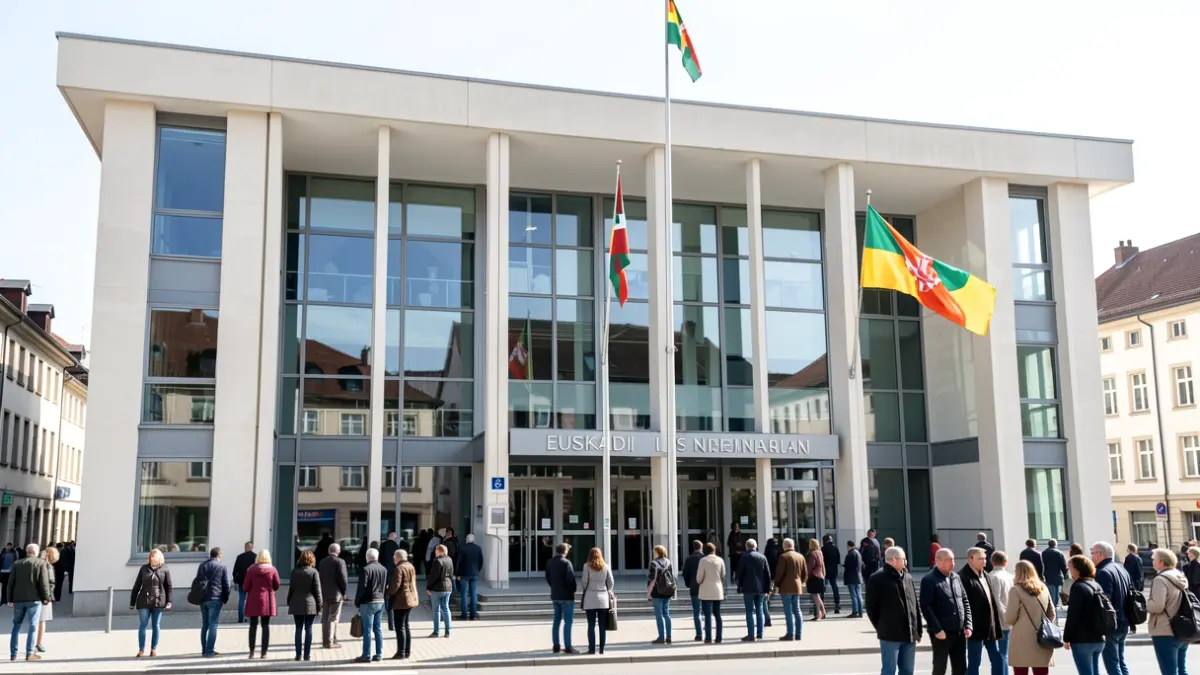
Furthermore, initiatives that foster encounters between people of different ages and origins will be encouraged, with a clear commitment to a model focused on care and quality of life. All these data will be part of an exhibition open to the public today, Tuesday, April 21, at 6:00 PM, in the plenary hall.
This study is the result of over 500 street surveys, interviews with political representatives and social agents, participatory forums, and institutional data analysis. It is highlighted that Eibar maintains a solid identity, linked to its industrial past and a strong sense of belonging, but it is acknowledged that social changes necessitate adaptation.
Demographic transformation, with an aging index exceeding 190%, and increasing social diversity pose new challenges in areas such as care, social cohesion, and urban planning. Vulnerability situations are increasingly diverse and demand more flexible and coordinated responses, even though Eibar has a solid care network.
Among the challenges detected are the weakening of traditional social ties, increased individualism, and a certain distance between citizens and institutions. Added to this are daily problems such as noise, cleanliness, traffic, accessibility, or the perception of insecurity, as well as structural issues like the loss of local commerce or access to housing.
The report also points out imbalances between neighborhoods, with a higher concentration of interventions in areas such as the center and Urkizu. Participatory forums have brought to light concerns such as school segregation, the existence of substandard housing, a lack of spaces for young people, or the perception of a slow and bureaucratic administration. In response to this scenario, a shift in the administrative model is proposed, moving from an administration that responds to demands to one that facilitates, accompanies, and promotes citizen involvement.