Eibar witnessed the premiere of Ahotsak, an artistic proposal that has illuminated memory and future. Presented at both the Coliseo Theater and Unzaga Square, this work, part of the 95th anniversary of the Proclamation of the Second Republic, moved and invited reflection from the audience, highlighting the importance of women's suffrage.
This event, organized by the Eibar City Council through its Culture and Ego Ibarra departments, received a magnificent artistic response. The project's director crafted a narrative connecting past events with the current situation of women, using an iconic photograph by Indalecio Ojanguren from 1933, depicting Eibar women voting for the first time, as its starting point.
The performance depicted the experiences of three women from Eibar between 1931 and 1933, set against the backdrop of profound political and social transformations of the era. The right to women's suffrage was presented not as a distant slogan, but as an achievement embodied in concrete, relatable lives, making it accessible and recognizable to the audience.
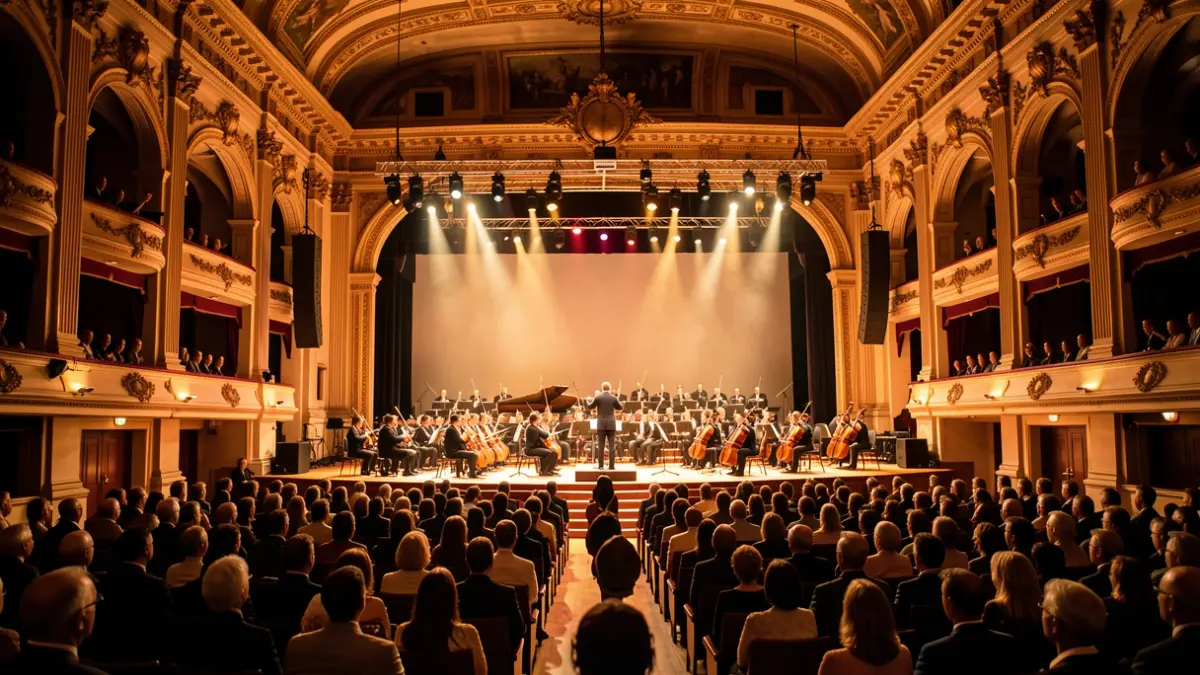
Ahotsak combined acting, music, singing, and dance, including both Euskal dantza and contemporary dance. This provided a powerful physical and visual dimension, expressing the conquest of rights, historical tension, and hope through movement. The performance at the Coliseo offered a more intimate setting, while the one at Unzaga added a civic and open dimension, bringing historical memory directly to the citizenry.
One of the great strengths of the show was its collective nature. Dance groups such as Kaxa, Os Galaicos, and Kezka were responsible for the choreographies, and female voices from various Eibar choirs contributed a warm and deeply rooted sound to the city. Female participation was overwhelmingly dominant, with 98% women, which naturally reinforced the work's content and the universe it sought to champion.